
For over two thousand years, the ancient Silk Road connected Chang’an (modern-day Xi’an) to Central Asia and Europe through rugged mountain passes, oasis towns, and deserts. Today, China’s high-speed rail network cuts through the Hexi Corridor at 250 kilometers per hour, making it possible to cross thousands of kilometers of history in two remarkable weeks.
Route Overview: Crossing the Hexi Corridor into Xinjiang
The classic northern Silk Road route starts in the ancient imperial capital of Xi’an and journeys westward between the Qilian Mountains and the Gobi Desert before ending in the oasis city of Kashgar near the western border.
- Days 1-3: Xi’an (Terracotta Army, Ancient City Wall, Shaanxi History Museum, and Muslim Quarter street food).
- Days 4-5: Zhangye & Jiayuguan (Rainbow Danxia landforms and the western fortress terminus of the Ming Great Wall).
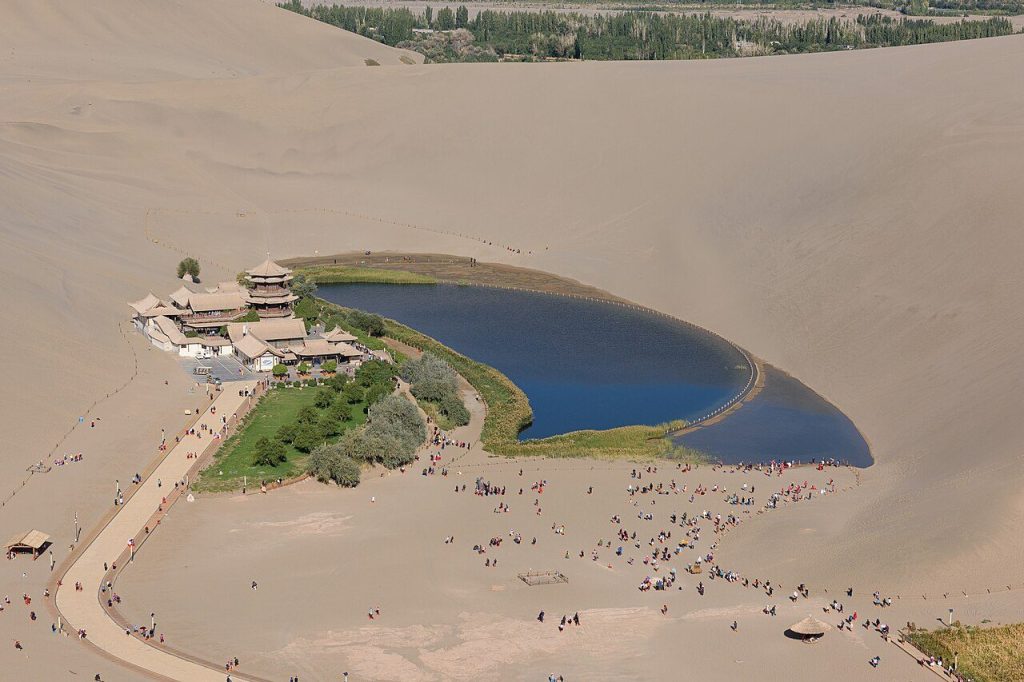
- Days 6-8: Dunhuang (Mogao Caves Buddhist grottoes, Singing Sand Dunes, and Crescent Lake at sunset).
- Days 9-10: Turpan (Flaming Mountains, ancient Jiaohe earthen ruins, and underground Karez irrigation systems).
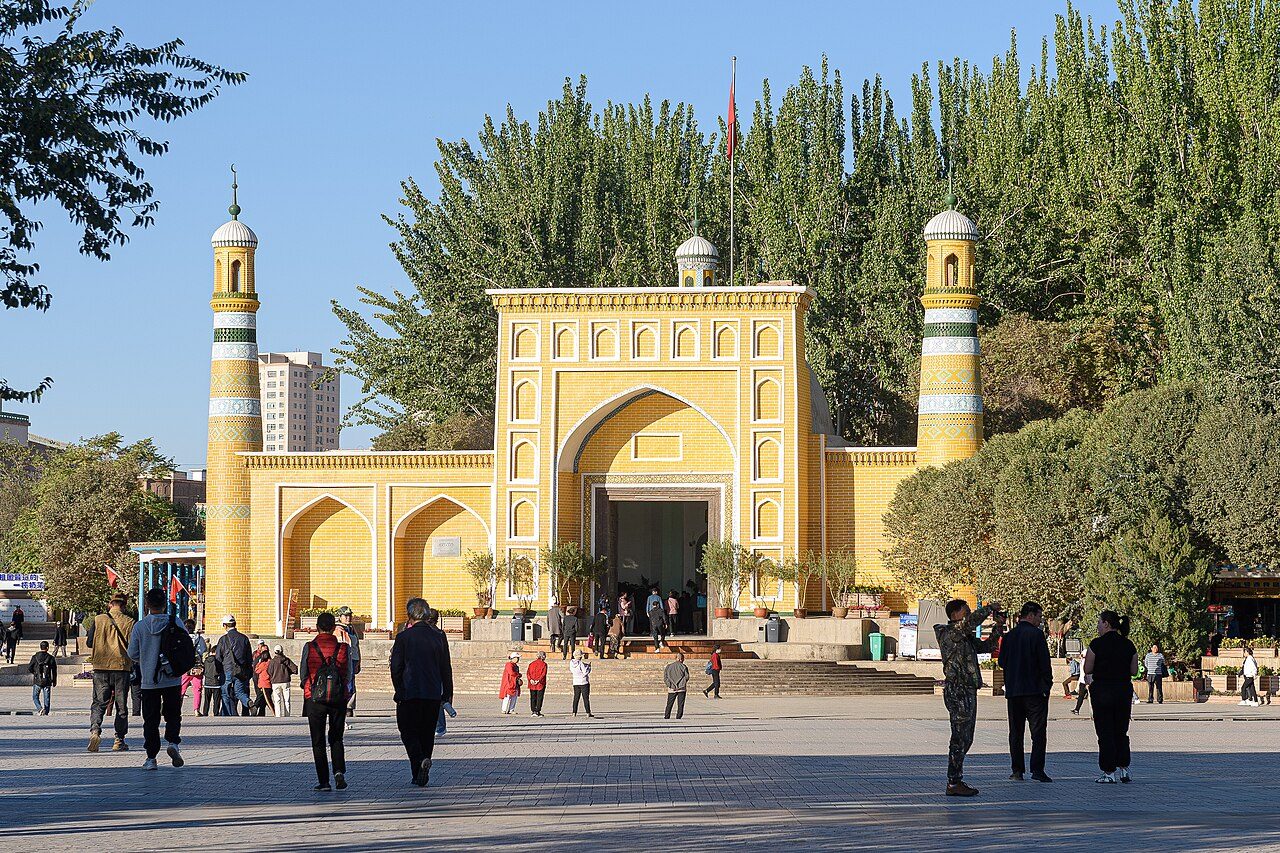
- Days 11-14: Kashgar (Ancient City clay alleyways, Id Kah Mosque, Sunday Livestock Market, and high-altitude Karakul Lake).
Days 1-3: Imperial Xi’an and Ancient City Gates
Xi’an was the eastern starting point of the ancient Silk Road trade network. Begin day one at the Terracotta Warriors museum outside the city. Arrive at 8:30 AM when gates open to explore Pit 1 before tour crowds fill the hangar. On day two, rent a bicycle atop the 14-kilometer ancient Ming Dynasty City Wall, taking in the contrast between historic defense towers and modern glass avenues. As darkness falls, explore the narrow stone alleys of the Muslim Quarter behind the Drum Tower, sampling hand-pulled Biangbiang noodles, cumin lamb skewers, and fresh pomegranate juice.
Days 4-8: The Hexi Corridor, Rainbow Danxia & Dunhuang Grottoes
Board the early Lanzhou-Xinjiang high-speed train cutting west through the narrow Hexi Corridor. Stop in Zhangye to witness the Danxia National Geological Park, where millions of years of mineral weathering have painted sandstone ridges in vivid orange, red, and yellow stripes. Continue along the rail line to Jiayuguan to climb the fortress towers guarding the westernmost outpost of the Ming Great Wall, where ancient travelers faced the desolate Gobi Desert.
Next, arrive in Dunhuang, the sacred cultural crossroads where Buddhist monks and merchant caravans met. Secure your Mogao Caves entrance tickets weeks in advance online. Expert guides lead small groups into ancient cave shrines excavated between the 4th and 14th centuries, illuminating remarkably preserved Buddhist murals and clay statues with soft handheld flashlights. In the late afternoon, climb the towering golden sand dunes of Mingsha Mountain to look down at Crescent Lake glowing beneath the desert sunset.
Days 9-14: Turpan Basin to Oasis Kashgar
The bullet train drops deep into the Turpan depression, the second-lowest point on Earth. Explore the ruins of Jiaohe, a massive fortress city carved directly into an elevated plateau between river ravines, preserved for millennia by the desert’s arid climate.
Take the overnight train or a 2-hour flight across the Taklamakan Desert to Kashgar. The heart of Kashgar is its millennia-old Ancient City, featuring mud-brick houses, carved wooden balconies, and blacksmiths forging copper kettles along winding alleys. If your schedule permits, visit the Sunday Livestock Market outside the city, where local traders negotiate sheep and horse transactions using traditional hand signals concealed beneath jackets.
Booking & Travel Essentials
- Trains: High-speed trains run from Xi’an to Dunhuang and Urumqi. For the final leg to Kashgar, modern overnight sleeper express trains (Z or T series) or quick domestic flights save significant travel time.
- ID and Security Checks: Always carry your physical passport when moving between stations and hotels in Gansu and Xinjiang. Station security is efficient but thorough.
- Season: May to June and September to October offer pleasant daytime temperatures and avoid extreme summer heat in Turpan.