
Tea in China is far more than a morning beverage; it is a foundational pillar of social hospitality, philosophical contemplation, and daily community life. From the clatter of porcelain gaiwan bowls in Chengdu’s shaded park teahouses to meticulous Gongfu tea ceremonies in Fujian and Guangdong, experiencing authentic tea culture is an essential highlight of traveling across China.
The Six Fundamental Types of Chinese Tea
All authentic tea originates from the leaves of the Camellia sinensis plant. The differences in flavor, color, and aroma stem from levels of oxidation and traditional processing craft:
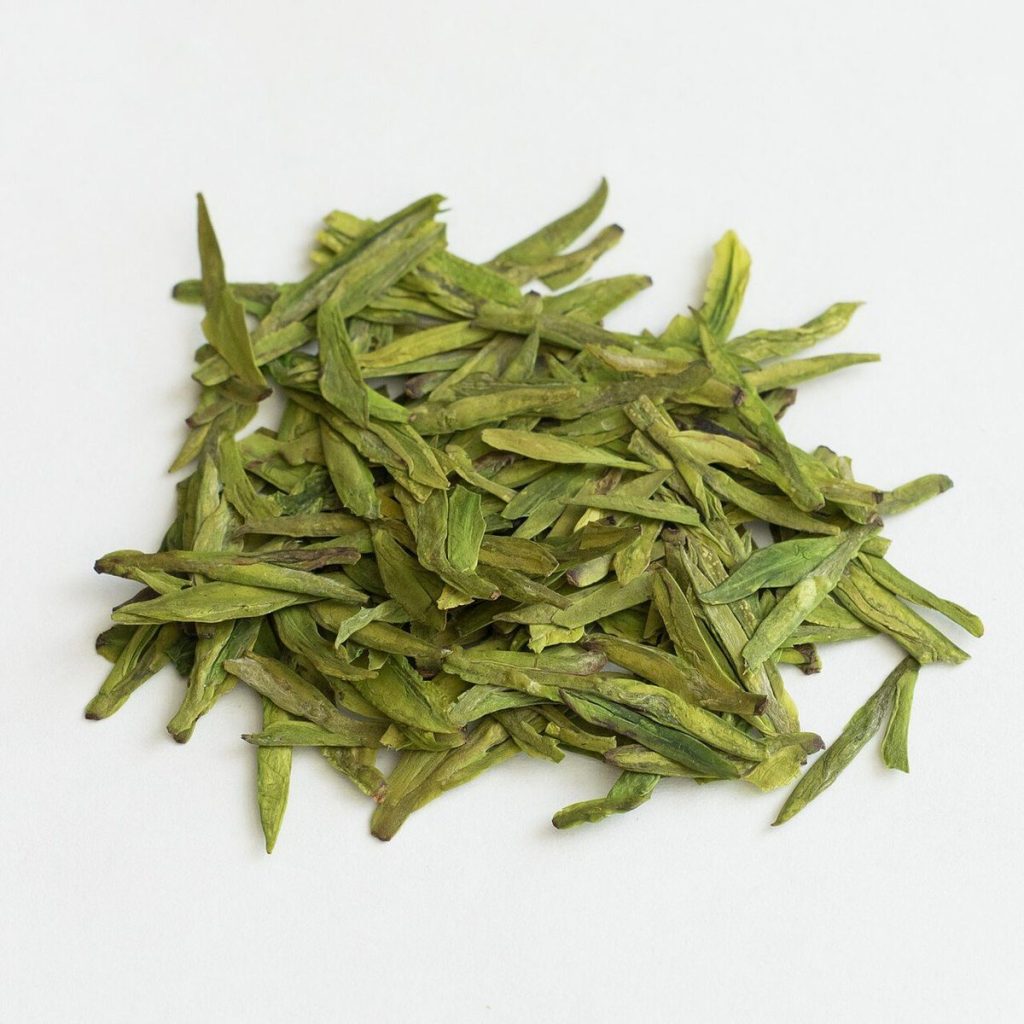
- Green Tea (Lùchá): Unoxidized, fresh, and grassy. Famous varieties include Dragon Well (Longjing) from Hangzhou and Biluochun from Lake Taihu. Brewed in clear glass cups with 80°C water.
- Black Tea (Hóngchá – “Red Tea” in Chinese): Fully oxidized, sweet, and malty. Varieties like Keemun and Lapsang Souchong yield amber-red liquor with notes of dried fruit and pine smoke.
- Oolong Tea (W¯lóngchá): Semi-oxidized, complex, and floral. Includes Iron Goddess of Mercy (Tieguanyin) from Anxi and Big Red Robe (Da Hong Pao) cliff tea from Wuyi Mountain.
- Pu’er & Dark Tea (Hēichá): Post-fermented, earthy, and aged in compressed tea cakes. Originating in Yunnan, aged Pu’er aids digestion and is traditionally enjoyed after rich meals.
- White Tea (Báichá) & Yellow Tea (Huángchá): Minimally processed white buds (Silver Needle) and gently smothered yellow tea offering delicate, honeyed sweetness.
Teahouse Etiquette & The Finger Tap Gesture
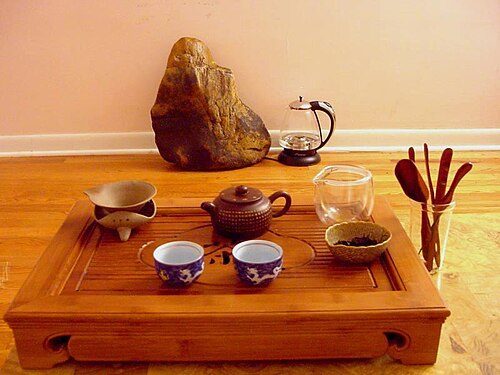
When someone pours tea for you, it is polite to express gratitude without interrupting conversation. Gently tap your bent index and middle fingers on the wooden table twice (or tap your index finger alone if you are single/younger). This gesture symbolizes a respectful kowtow bow to the host, originating from an imperial legend involving the Qing Emperor Qianlong traveling in disguise.
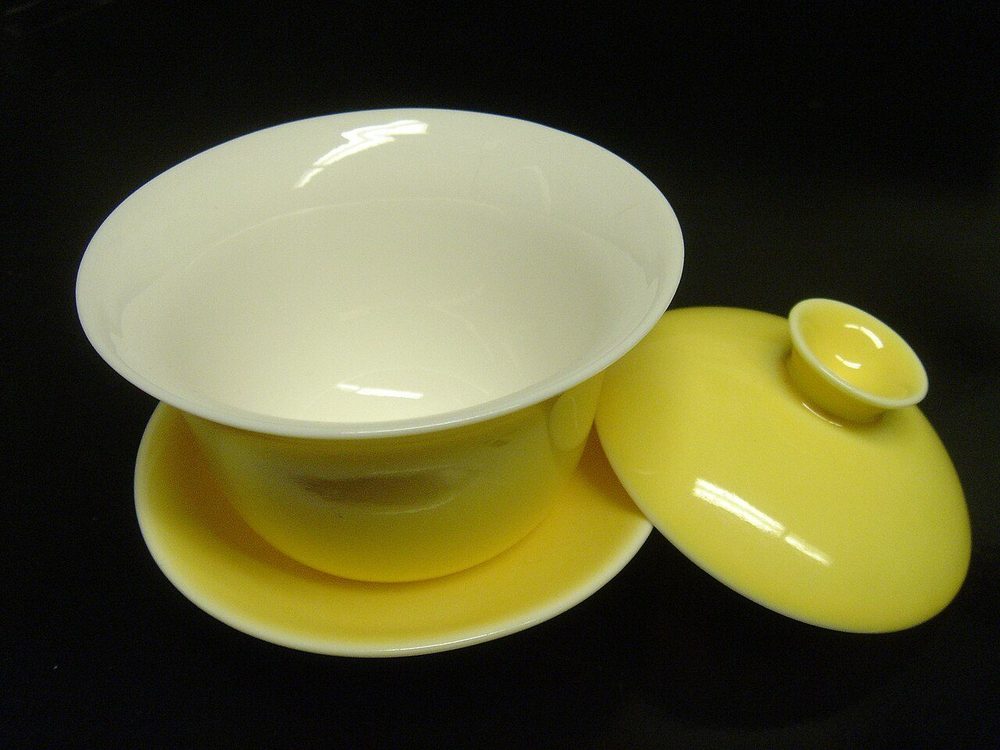
In Chengdu (explore nearby destinations with our Sichuan travel guides or book day tours on Trip.com Experiences), visit the historic Heming Teahouse in People’s Park. Order a bowl of fragrant Jasmine tea (Moli Huacha) in a three-piece covered porcelain bowl (Gaiwan) for 20 RMB, sit in a low bamboo armchair, watch local ear-cleaning masters ply their trade with tuning forks, and raise the lid of your bowl to signal for free thermos refills of boiling water from long-spouted copper kettles.
How to Buy Tea Without Overpaying
Avoid buying tea in tourist souvenir markets or street gift shops. Head instead to dedicated wholesale tea markets (such as Beijing Maliandao Tea Market or Shanghai Tianshan Tea City). Tea shops welcome visitors to sit at carved root-wood tea tables for free tastings. Taste three or four grades of tea before buying; a fair price for everyday high-quality loose leaf tea is between 80 and 200 RMB ($12 to $30 USD) per 500 grams (jin).
Review our guide on avoiding tea house scams to distinguish between genuine hospitality and predatory tourist traps.