
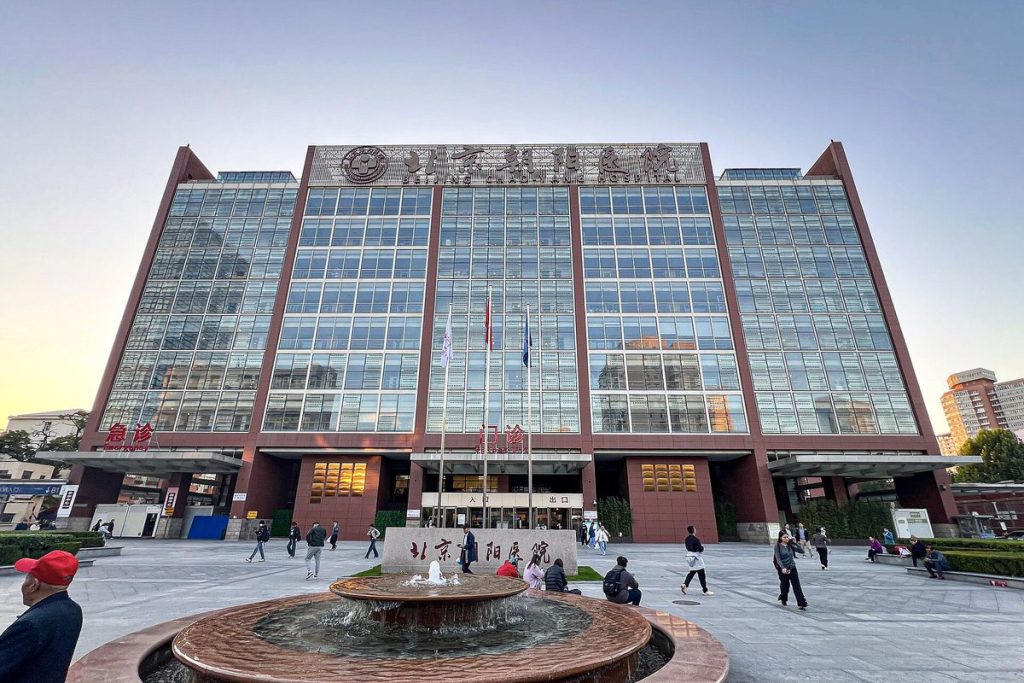
Navigating healthcare in a foreign country can feel intimidating, but China possesses one of the most efficient, technologically modern medical systems in the world. Whether you develop food poisoning, catch a fever, or require urgent treatment for a sprained ankle, foreign travelers have access to high-quality care ranging from ultra-affordable public tertiary hospitals to English-speaking international medical centers.
Understanding the two-tier hospital system, how public outpatient registration functions step by step, and how to purchase common over-the-counter remedies from neighborhood pharmacies ensures that minor health setbacks do not derail your travels.
Quick Takeaways: Medical Care in China
1. Choosing Between Public Hospitals and International VIP Clinics
When seeking medical treatment in China, international visitors can choose between two main healthcare settings depending on budget, language comfort, and urgency:
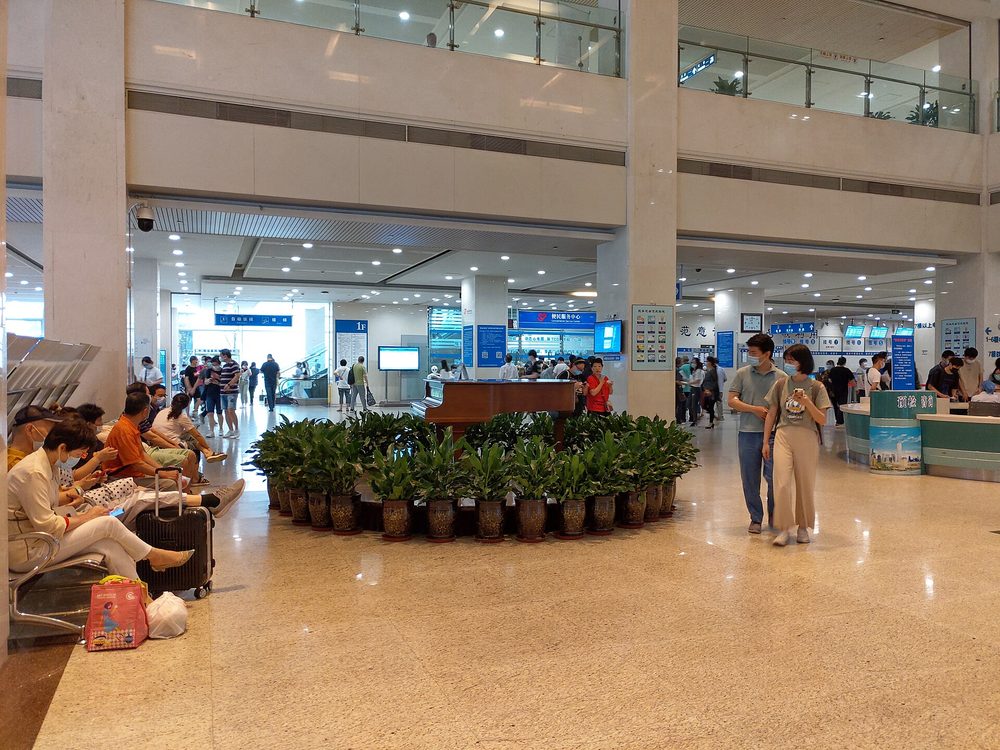
Public Tertiary Grade-A Hospitals (三级甲等医院, Sānjiǎ Yīyuàn): These are massive state teaching hospitals equipped with modern medical diagnostic hardware (MRI, CT, ultrasound) and top medical specialists. Outpatient consultation fees are heavily subsidized by the government, typically costing between 15 and 50 RMB ($2.00–$7.00 USD). Blood tests, X-rays, and prescription medicines cost a fraction of Western healthcare prices. However, facilities are busy, waiting halls can be crowded, and while senior doctors frequently understand medical English, nursing staff and registration clerks communicate almost exclusively in Mandarin.
VIP / International Wings (特需门诊, Tèxū Ménzhěn): Most top tertiary hospitals in tier-1 cities (such as Peking Union Medical College Hospital in Beijing or Ruijin Hospital in Shanghai) operate dedicated VIP wings. For a higher registration fee of 300 to 500 RMB ($42–$70 USD), you receive priority access, private waiting lounges, and appointments with senior professors who speak fluent English.
Private International Hospitals (United Family, Parkway, Raffles): Established in major expatriate hubs (Beijing, Shanghai, Guangzhou, Shenzhen, Chengdu), these hospitals operate to Western JCI-accredited standards with Western and overseas-trained doctors, full bilingual support, and direct-billing partnerships with international travel insurance providers. A standard general practitioner consultation starts around 800 to 1,800 RMB ($110–$250 USD). This is the smoothest, most seamless choice if your travel insurance covers private medical care.
2. Step-by-Step Public Hospital Visit Workflow
Visiting a public Chinese hospital is orderly and straightforward once you understand the departmental workflow. Follow this step-by-step sequence:
Step 1: Registration (挂号, Guàhào). Walk into the main outpatient building and approach the information desk (Fúwùtái, 服务台). Show your passport and explain your symptoms (use translation apps like DeepL or Baidu Translate). The attendant will guide you to a manual registration window (Guàhào Chuāngkǒu), issue a temporary hospital medical card or barcode slip, and assign you to the relevant specialty department (e.g., Gastroenterology / Xiāohuà Kē, Internal Medicine / Nèikē, or Orthopedics / Gǔkē).
Step 2: Department Waiting Area. Take the elevator to the designated department floor. Check in at the nurses’ reception station by scanning your barcode. Watch the digital LED screens mounted above the consultation rooms. When your ticket number and name are announced, enter the doctor’s office.
Step 3: Doctor Consultation and Diagnostic Orders. The physician will examine you and input diagnostic orders into their terminal. If you need a blood panel, stool test, or chest X-ray, the doctor issues electronic test requests linked to your hospital card.
Step 4: Payment (缴费, Jiǎofèi) Before Testing. Public hospitals operate on a strict pay-as-you-go model. You must pay for ordered laboratory tests before taking them. Head to any self-service payment kiosk or cashier window, scan your barcode, and pay via Alipay, WeChat Pay, or cash. Head to the laboratory or radiology department, complete your tests, and wait for results (standard blood panels are processed in 20 to 45 minutes).
Step 5: Follow-Up and Pharmacy Collection (取药, Qǔyào). Return to the doctor’s office with your lab results. The doctor will write a prescription. Pay for the prescription at the cashier kiosk, proceed to the main ground-floor pharmacy hall, and watch the digital dispensary boards. Hand your receipt to the designated window to receive your packaged medications with printed dosing instructions.
3. Buying Common Over-the-Counter Medicines at Local Pharmacies
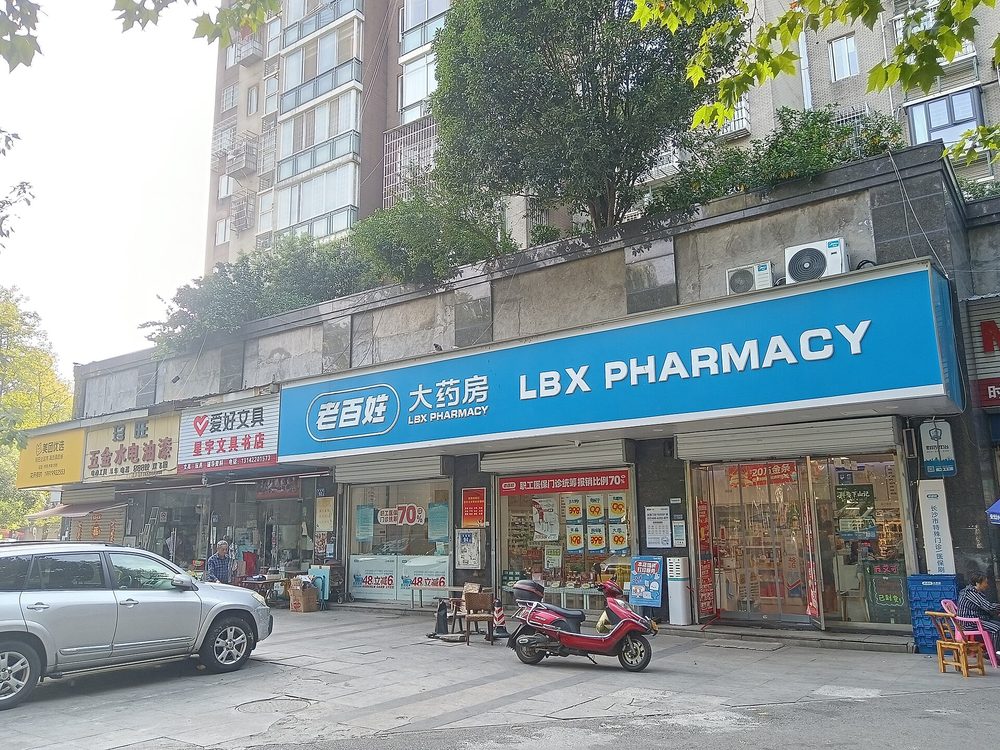
For common ailments like headaches, travel diarrhea, colds, or muscular aches, visiting a neighborhood pharmacy (Yàodiàn, 药店) is far faster than a hospital trip. You will spot green cross logos and prominent chains like Nepstar (海王星辰), Tongrentang (同仁堂), and Yixintang (一心堂) every two or three blocks in Chinese cities.
Show these Chinese names and pinyin terms on your phone screen to the on-duty licensed pharmacist:
Traveler’s Diarrhea & Upset Stomach:
• Smecta / Montmorillonite Powder (蒙脱石散, Méngtuōshísàn): The standard international gastrointestinal absorbent powder for rapid relief from acute diarrhea.
• Berberine (黄连素, Huángliánsù): A natural, highly effective herbal antibacterial alkaloid tablet widely used across China for bacterial gastroenteritis.
Pain, Headache & Fever Relief:
• Ibuprofen (布洛芬, Bùluòfēn): Widely available in capsule form for pain and fever.
• Acetaminophen / Paracetamol (对乙酰氨基酚, Duìyǐxiān’ānjīfēn / 扑热息痛).
Allergies & Motion Sickness:
• Loratadine (氯雷他定, Lùléitādìng): Non-drowsy antihistamine for seasonal pollen allergies.
• Motion Sickness Patches / Tablets (晕车药 / 晕车贴, Yùnchē Yào): Applied behind the ear before winding mountain bus rides in Yunnan or boat cruises in Guilin.
4. Emergency Medical Hotlines and Ambulance Procedures
In life-threatening situations or severe trauma, call China’s official emergency medical services:
Emergency Medical Dispatch: Dial 120. This connects directly to the local municipal ambulance dispatch center (120 Zhǐhuī Zhōngxīn). While major centers in Beijing and Shanghai have operators who handle basic English, regional dispatchers frequently speak only Mandarin. If you are staying at a hotel, have front desk reception call 120 immediately to ensure the exact street address, building gate number, and condition are communicated accurately.
Police Assistance: Dial 110. For road traffic accidents, theft, or physical security emergencies, 110 dispatchers can coordinate rapid emergency response alongside medical teams.
5. Travel Insurance Claims: Securing the Necessary Paperwork
Unless you receive treatment at a private international hospital with direct insurance billing, you will pay out of pocket at the hospital and file for reimbursement with your travel insurance provider once stabilized.
To ensure your overseas insurer honors your claim, you must collect three vital documents before leaving the hospital:
1. Official Tax Invoice (发票, Fāpiào): Request the official electronic or printed red-stamped medical Fapiao from the cashier window (Shōufèi Chuāngkǒu). A regular thermal credit card slip is not legally sufficient for insurance claims.
2. Outpatient Medical Record (门诊病历, Ménzhěn Bìnglì): The printed clinical summary signed or stamped by the attending doctor detailing your symptoms, formal diagnosis, and treatment plan.
3. Detailed Breakdown Receipt (费用明细清单, Fèiyòng Míngxì Qīngdān): An itemized sheet showing the exact cost of each medication, injection, laboratory test, and diagnostic procedure.