
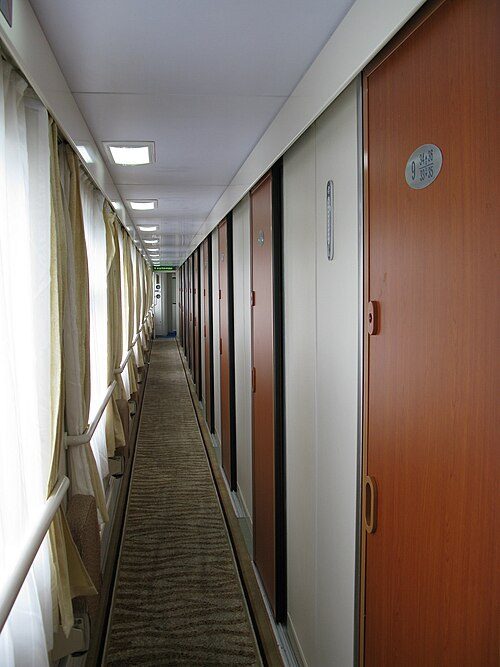
While China’s sleek 350 km/h bullet trains capture global headlines, the country’s vast network of overnight sleeper trains remains one of the most practical, budget-friendly, and culturally fascinating ways to travel long distances. Taking a sleeper train saves daytime sightseeing hours, cuts hotel costs, and lets you experience the relaxed camaraderie of Chinese rail travel.
Understanding the Berths: Soft Sleeper vs Hard Sleeper
The names can be misleading: “Hard Sleeper” is not a bare wooden plank, but a cushioned bunk. The main differences between classes involve privacy, space, and quietness:
- Soft Sleeper (软卧 – Ruǎnwò): Four comfortable, wide bunks in a private compartment with a lockable sliding door. Includes individual reading lights, charging outlets, clean duvets, and luggage storage above the door. Ideal for couples, families, and light sleepers who value quiet and security.
- Hard Sleeper (硬卧 – Yìngwò): Open-plan bays with six bunks arranged in three tiers (Lower, Middle, Upper) along a shared corridor. No compartment doors. Lower bunks (Xiàpù) are the most popular because you can sit upright and easily access your bags, but fellow passengers will sit on the edge during the day. Upper bunks (Shàngpù) offer maximum privacy and luggage security away from aisle traffic.
- High-Speed Sleeper (动卧 – Dòngwò): Operating on D-series bullet trains (such as Beijing to Shanghai or Shenzhen to Shanghai), these modern, quiet, climate-controlled four-berth compartments cruise at 250 km/h with individual USB ports and contemporary vacuum toilets.
What to Expect Onboard: Facilities & Life on the Rails
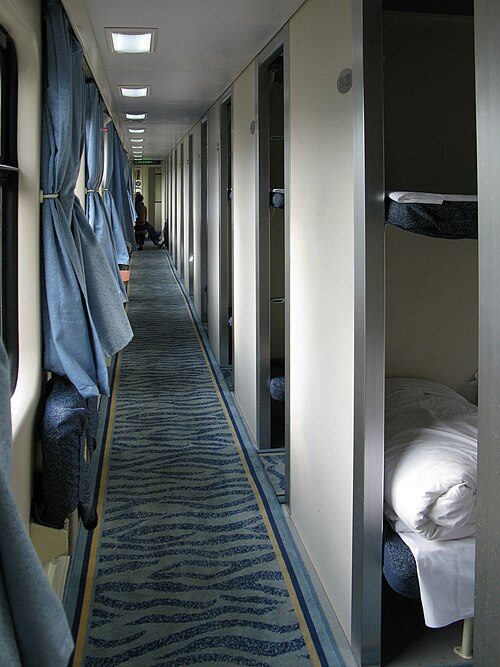
Each sleeper car features a hot water boiler dispensing free 100°C boiling water at one end—perfect for brewing tea or preparing instant cup noodles. Restrooms are located at both ends of each carriage (usually one squat toilet and one Western sitting toilet on newer trains). There is a shared open washroom area with three stainless steel sinks and mirrors for brushing teeth and washing up.
At approximately 10:00 PM, conductors dim the main ceiling lights in the corridors, and quiet hours begin. Keep your headphones on, lower conversations, and set your phone alarm with vibration. Approximately 30 minutes before your destination station, the car attendant will gently knock on your compartment door or tap your bunk to notify you that your stop is approaching.
How to Book Sleeper Train Tickets
Train tickets open exactly 15 days in advance at specified release times. High-demand overnight routes (such as Beijing to Xi’an or Chengdu to Kunming) often sell out of lower berths within minutes. Book directly using your passport number on the official 12306 website or through the English booking portal on Trip.com Trains, which allows you to pre-select lower or upper bunk preferences.
Related Guide: Check our in-depth practical advice on taking the high-altitude sleeper train to Tibet.

Essential Packing for Overnight Trains
- Toilet Paper and Wet Wipes: Train restrooms frequently run out of paper during overnight journeys. Review our China public restrooms survival guide.
- Slip-on Shoes or Flip-flops: Invaluable for walking to the sink or bathroom in the middle of the night without lacing up heavy boots.
- Earplugs and Eye Mask: Even in Soft Sleeper compartments, fellow passengers may snore or awake early.
- Insulated Water Bottle / Thermos: To take advantage of the free onboard boiling water dispenser for hot tea.