
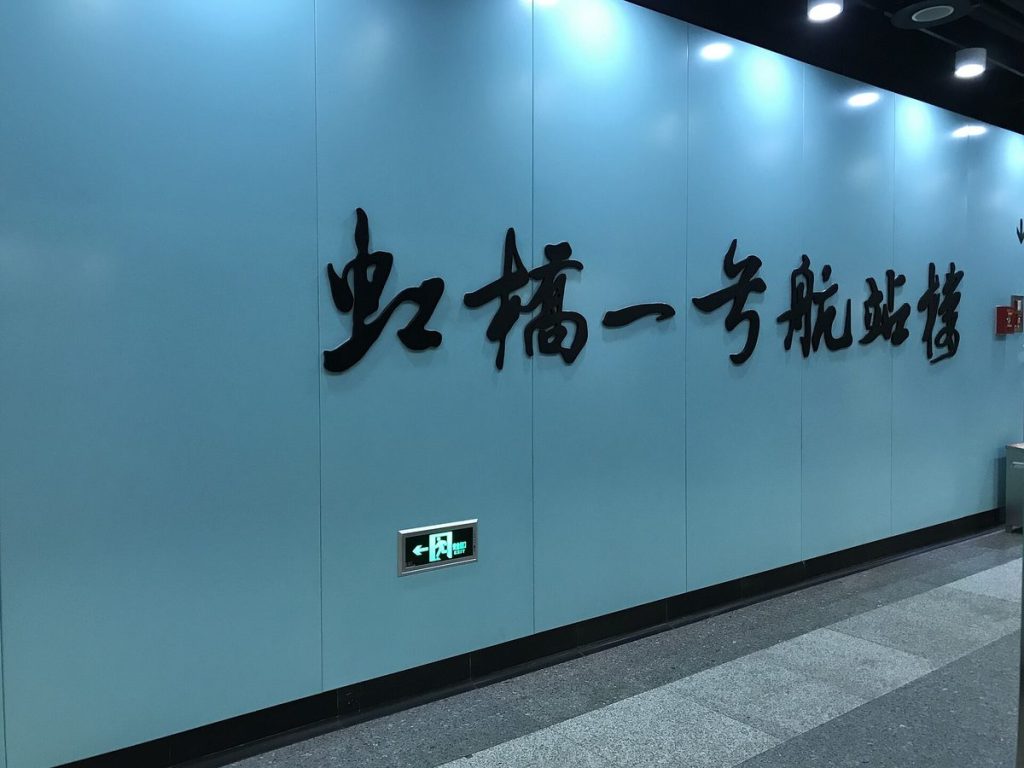
Riding the metro in Chinese megacities like Shanghai, Beijing, Guangzhou, Shenzhen, and Chengdu is remarkably frictionless once you configure your smartphone. You do not need to stand in line at cash ticketing machines, purchase plastic transit tokens, or carry physical IC cards. By linking an international Visa or Mastercard to Alipay or using Apple Wallet, you can swipe directly through automatic fare gates across dozens of municipal subway systems using a single dynamic QR code.
China operates the largest, fastest-growing rapid transit networks on earth. Stations are pristine, air-conditioned, and fully equipped with bilingual English and Chinese signage, platform screen doors, and numbered exit maps. Mastering phone-based entry saves hours during rush hour and makes independent urban exploration effortless.
Quick Takeaways: Riding Chinese Subways by Phone
1. Activating the Alipay Transport QR Code Step by Step
Alipay provides the most universal metro payment solution for international travelers. The app includes a built-in transit module that connects directly to local municipal transit authorities without requiring a Chinese bank account or Chinese national ID card.
Follow this exact sequence to generate your subway transit barcode:
Step 1: Set Your Current City. Open Alipay and ensure your location is toggled to the city you are currently visiting (for instance, “Shanghai” or “Beijing”) at the top left corner of the home screen.
Step 2: Access Transport Mode. Tap the “Transport” icon (出行, Chūxíng) located on the top navigation ribbon. Select the “Metro” tab (地铁, Dìtiě).
Step 3: Agree to Terms and Real-Name Link. The system will prompt you to authorize the local transit operator (such as Shanghai Shentong Metro or Beijing Subway). Confirm authorization. Because you already completed real-name passport verification when setting up Alipay, the transit card generates instantly.
Step 4: Display the Dynamic Barcode. A dynamic QR code labeled “Ride Code” (乘车码, Chéngchēmǎ) will appear on your screen. This code refreshes every minute for security and charges your linked international credit card after you exit your destination station.
When you travel to a new city—moving from Shanghai to Hangzhou or Beijing to Xi’an—simply tap the city name at the top of the Transport screen and switch to the new destination. You activate each city’s code once, and it remains saved in your wallet for future visits.
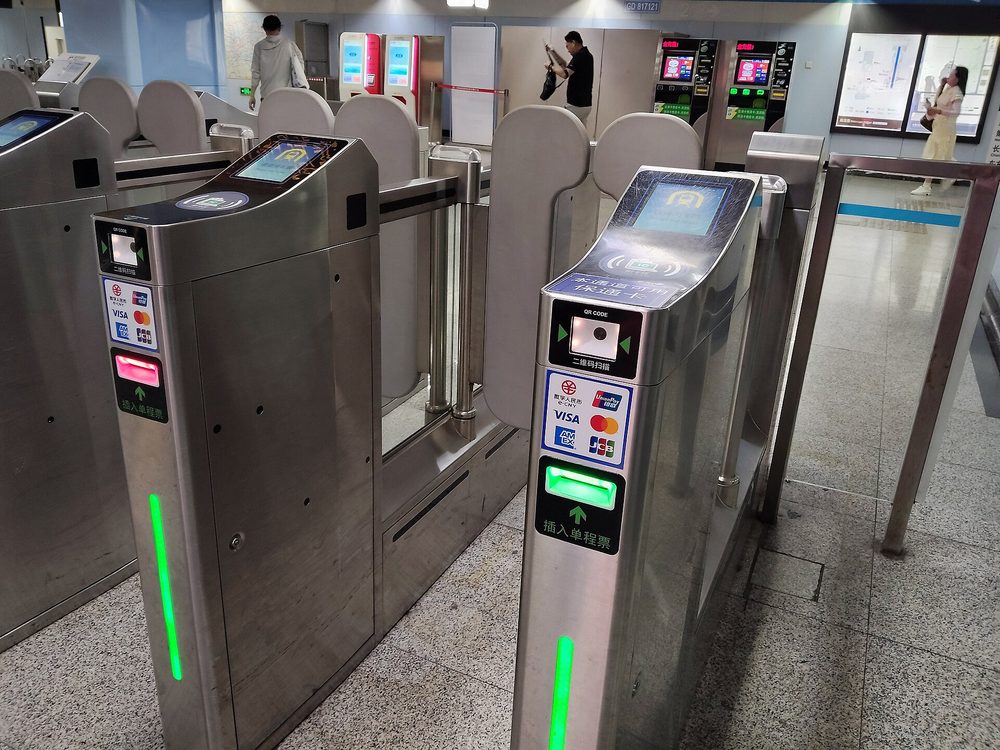
2. Apple Wallet and Express Transit Options
iPhone and Apple Watch users can take advantage of Apple Pay Express Transit on select Chinese networks, allowing you to tap your device against turnstile readers without waking your screen, unlocking Face ID, or opening an app. However, certain funding restrictions apply to foreign credit cards.
In Apple Wallet, tap the “+” button, choose “Transit Card,” and browse the extensive list of Chinese mainland cards. The “China T-Union” (交通联合) cards—specifically the Shanghai Public Transport Card or Beijing Municipal Card—are interoperable across hundreds of transit systems nationwide. While adding and topping up these virtual cards historically required a UnionPay card, users can often fund them through third-party services or physical service desks.
For most short-term foreign visitors, Alipay’s QR code remains significantly more reliable because it draws funds directly from international Visa and Mastercard accounts with zero pre-loaded balance risk. Any unused funds in a virtual Apple Wallet transit card cannot be refunded back to an overseas card.
3. Station Security Checkpoints and Prohibited Items
Security screening (Ānjiǎn, 安检) is mandatory at the entrance of every single metro station in China. Before you reach ticket gates or turnstiles, all passengers must pass through a metal detector while backpacks, luggage, and shopping bags pass through an X-ray conveyor belt.
Staff members stand next to the belt holding handheld scanners. If you carry a bottle of water, iced coffee, or tea, security officers will politely ask you to take a sip in front of them or place the container on an electronic liquid-detecting scanner. This is routine procedure across the entire country; simply comply with a nod.
Certain everyday personal items face strict volume limits or complete bans on Chinese subways:
Aerosol Spray Cans: Sunscreen sprays, hairsprays, and deodorant canisters exceeding 120ml or 150ml are strictly confiscated at station security checkpoints. Carry liquid lotion or stick deodorant instead.
Knives and Blades: Swiss Army knives, pocket folding knives, and box cutters of any length cannot be brought into subway stations.
Power Banks: Power banks must have clear, legible manufacturer capacity labels and remain under 100Wh / 20,000mAh. Unmarked or homemade batteries will be barred from entry.
4. Turnstile Scanning Technique and Offline Functionality
Passing smoothly through automated turnstiles requires holding your screen at the correct distance. Most modern turnstiles feature a glass scanning window angled upward at 45 degrees next to the card tap pad.
Hold your phone steady approximately 5 to 10 centimeters (2 to 4 inches) above the scanner glass with your screen brightness set high. The machine will emit a crisp chime, display your entry station name on the digital readout, and release the gate barrier. Do not press the phone screen flat against the glass surface, as glare from overhead lights can prevent optical reading.
A frequent worry among foreign visitors is losing cellular data underground. The Alipay transport mini-program caches your active transit credentials offline. Even if your mobile roaming signal drops from 5G to “No Service” on a deep basement level, your generated QR code will scan successfully at entry and exit gates. Your fare transaction uploads and processes automatically the moment your phone reconnects to cellular data or station Wi-Fi.
Always enter and exit with the exact same device and app. If you enter with Alipay and attempt to exit with Apple Pay or a physical single-journey token, the exit gate will flash red and register an incomplete journey, requiring station customer service intervention (Kèfú Zhōngxīn, 客户服务中心) to reset your barcode.
5. Bilingual Navigation, Line Transfers, and Station Exits
Chinese metro systems are among the most foreigner-friendly public transit networks in the world for language accessibility. Every station features prominent English translations alongside Chinese characters on overhead direction signs, platform indicator boards, and train car route maps.
Inside subway trains, automated voice announcements broadcast upcoming stops and interchange connections in Mandarin Chinese followed immediately by clear, native-standard English. Digital screens mounted above doors highlight the current train position, which side doors will open, and which carriage numbers align with platform transfer stairs and accessible elevators.
Station exits follow an alphabetical system (Exit A, Exit B, Exit C, Exit D). In massive transfer interchanges like People’s Square in Shanghai or Xizhimen in Beijing, exits can span more than a kilometer underground with ten or more lettered portals. Always check the illuminated yellow “Station Directory” wall maps before passing through exit turnstiles. Locating the exact letter for your museum, hotel, or street destination prevents crossing multi-lane ring roads or busy intersections at street level.
6. Fare Structure and In-App Journey Tracking
Fares on Chinese subways are distance-based rather than flat-rate. A journey of two to four stations typically costs 2 or 3 RMB ($0.30–$0.45 USD). Longer journeys spanning 15 to 25 kilometers across urban districts usually total between 5 and 8 RMB ($0.70–$1.15 USD). Special airport express lines (such as the Daxing Airport Express in Beijing or Shanghai Maglev) operate on dedicated premium tariffs ranging from 25 to 50 RMB.
When you exit through the turnstiles, Alipay deducts the exact fare from your international credit card without foreign transaction markup on small amounts. You receive an instant in-app push notification displaying the boarding station, exit station, travel duration, and total charge. If you ever leave a station and notice an error message or forgot to scan out, open Alipay Transport, tap “Ride Records” (乘车记录), and submit an automated self-service route correction (Bǔshàng Chūzhàn, 补卡/自主补出站) to reconcile the balance within 48 hours.