
Packing for China requires balancing modern digital realities with unique local practicalities. While urban China features some of the most technologically advanced infrastructure in the world—where you can buy anything from fresh fruit to electronics using your smartphone—everyday travel details like public restroom etiquette, strict power bank aviation rules, and prescription medication customs require specific preparation before you zip your suitcase.
Whether you are planning a two-week journey connecting Beijing, Xi’an, and Shanghai or hiking the karst valleys of Guangxi and Yunnan, this field-tested checklist outlines the non-negotiable essentials to pack and the common travel gear you should leave at home.
Quick Takeaways: Essential Packing Rules for China
1. Daily Hygiene and Restroom Survival Essentials
Public restrooms across China have improved dramatically under national sanitation initiatives, but toilet paper availability remains unpredictable. Outside of four- and five-star international hotels, upscale shopping centers, and airport terminals, roughly 70% of public restrooms in train stations, highway rest stops, and historical monuments do not provide toilet paper inside individual cubicles.
Keep a small daypack stocked with these non-negotiable hygiene items at all times:
Pocket Tissue Packs (餐巾纸, Cānjīnzhǐ): Buy a multi-pack of compact pocket tissues at any convenience store or pack a dozen packs from home. Restrooms that do supply paper often mount a single dispenser at the main communal entrance near the sinks rather than inside stalls.
Sanitizing Wet Wipes and Alcohol Gel: Many public restrooms provide cold water sinks without hand soap. A pocket bottle of hand sanitizer and a pack of biodegradable wet wipes ensure clean hands before street food snacks and meals.
Slip-On, Easy-to-Clean Footwear: Traditional Chinese public restrooms predominantly feature squat toilets. Floors around squat stalls are frequently wet from routine mop-downs by attentive cleaning attendants. Avoid wearing fabric mesh sneakers or sandals into public facilities; structured leather or synthetic walking shoes with good rubber traction are far more practical.
2. Power Banks, Voltage, and Electronics Guidelines
Because international travelers rely on smartphones for payments, navigation, ride-hailing, and real-time translation throughout the day, battery management is critical. However, Chinese airport security enforces the world’s strictest lithium battery regulations.
Pay close attention to these electronic standards before boarding:
The 100Wh Battery Ceiling: China’s Civil Aviation Administration permits power banks with a rating of 100 watt-hours (Wh) or less in carry-on baggage without prior airline approval. For standard 3.7V lithium-ion cells, 100Wh equals roughly 27,000mAh (most 10,000mAh and 20,000mAh models fall safely within this range). Power banks rated between 100Wh and 160Wh require airline desk sign-off. Any battery exceeding 160Wh is illegal on passenger flights.
The “Readable Label” Rule: Airport security screeners at Beijing, Shanghai, Guangzhou, and regional hubs physically inspect the printed manufacturer specifications on every single portable battery. If the capacity text is rubbed off, scratched, or illegible, the battery will be seized immediately. Leave worn power banks at home and travel with a battery that clearly displays “Wh” or “mAh” markings.
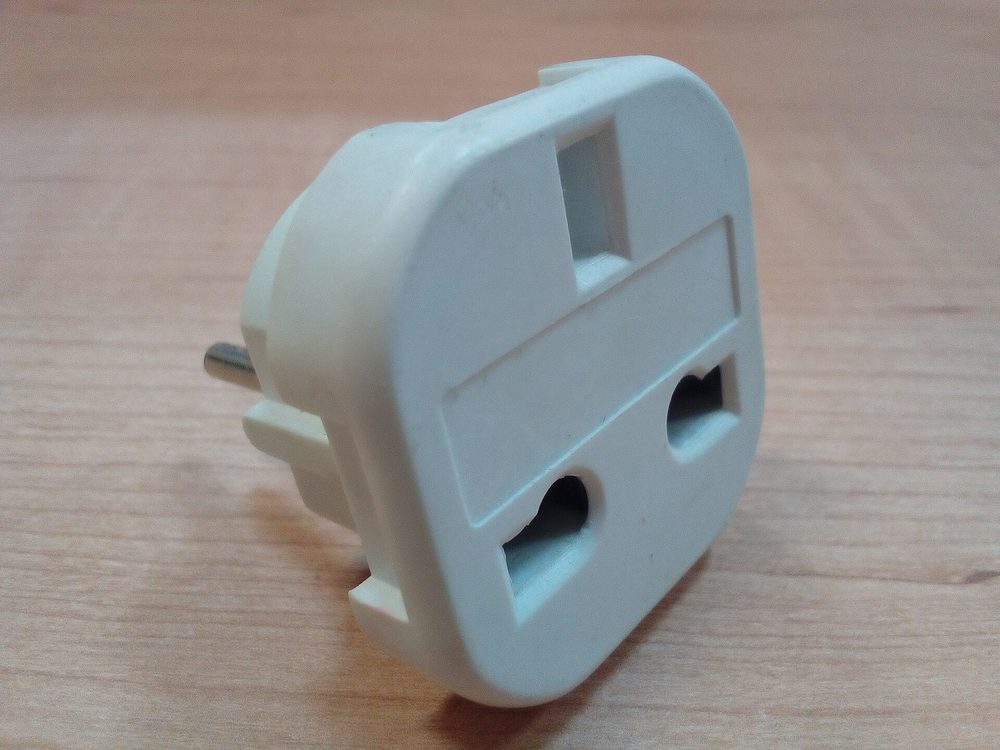
Electrical Outlets and Voltage: Mainland China operates on a 220-volt, 50Hz electrical grid. Modern smartphone chargers, laptops, camera batteries, and tablet power bricks are dual-voltage (rated 100V–240V) and plug directly into Chinese sockets without a step-down transformer. Check the tiny embossed print on your charger to confirm it reads “Input: 100-240V”.
Standard Chinese wall receptacles are universal hybrid sockets that accommodate two-prong flat pins (US Type A) and two-prong round pins (European Type C). If your electronics use standard two-prong North American or European plugs, you do not need an adapter. If you travel with grounded three-prong UK (Type G) or Australian (Type I) plugs, pack a compact plug converter.
3. Medications and First-Aid Preparation
While local Chinese pharmacies (Yàodiàn, 药店) are ubiquitous and staffed by helpful pharmacists, packaging and drug names are written in Chinese characters. Sourcing specific Western brand names under emergency conditions can be challenging.
Pack a personalized medical pouch containing:
Gastrointestinal Support: Adjusting to rich culinary oils, regional chili peppers, and Sichuan peppercorns can trigger digestive sensitivity. Carry loperamide (Imodium), bismuth subsalicylate (Pepto-Bismol chewables), antacid tablets, and oral rehydration electrolyte salts.
Prescription Medications and Doctor Documentation: Always keep prescription medicines in their original labeled pharmacy bottles matching the name on your passport. If you carry controlled substances—such as strong painkillers containing codeine, ADHD medication (methylphenidate/Adderall), or sleep aids—bring a formal physician’s letter translated into English explaining your diagnosis, prescribed dosage, and daily regimen. Quantities should strictly reflect personal use for your trip duration (generally under 30 days).
Cold, Flu, and Allergy Relief: Seasonal temperature fluctuations between northern Beijing and subtropical southern China make antihistamines (cetirizine/loratadine), nasal decongestants, and throat lozenges invaluable.
4. Footwear and Clothing for Changing Climates
Travelers in China routinely log 15,000 to 25,000 steps per day exploring sprawling imperial compounds, multi-level metro interchanges, and national park stairways. Proper footwear and adaptable clothing layers are fundamental to comfort.
Comfortable Walking Shoes: Bring two pairs of broken-in walking shoes so you can rotate them on alternate days. Landmarks like the Forbidden City, the Summer Palace, and the Terracotta Army involve miles of flat cobblestone and stone pavers, while mountain sites like Zhangjiajie or Huangshan require ascending thousands of uneven stone steps.
Modest and Respectful Temple Attire: Active Buddhist, Daoist, and Confucian temples welcome foreign visitors, but dress codes require modest coverage. Avoid sleeveless tank tops, extremely short shorts, or crop tops when visiting sacred sites. Lightweight linen trousers, knee-length skirts, and breathable cotton t-shirts provide modesty while staying cool in summer heat.
Smart Layering for Indoor Air Conditioning: Summer in central and southern China brings tropical humidity outside, contrasted with aggressive air conditioning inside bullet trains, museums, and shopping complexes. Keep a lightweight cardigan, linen overshirt, or compact windbreaker in your daypack to prevent chills during long transit hops.
5. What Chinese Hotels Provide (And What You Can Skip)
Chinese hospitality standards are exceptionally generous across mid-range and boutique accommodations. Knowing what your room already includes helps lighten your luggage significantly.
Almost all registered tourist hotels in China provide the following complimentary amenities:
Electric Kettles and Teaware: Every room features a clean electric kettle, ceramic tea cups, and complimentary packets of green or black tea. Sealed bottles of drinking water (usually two to four bottles refreshed daily) stand alongside the kettle.
Disposable Slippers and Hairdryers: Soft indoor slippers and standard hairdryers are standard fixtures in nearly every hotel bathroom, eliminating the need to pack bulky styling tools.
Toiletries and Dental Kits: While environmental regulations in cities like Shanghai and Beijing encourage hotels to remove single-use plastics from default bathroom setups, front desk staff will supply toothbrushes, toothpaste, combs, and shower caps upon request at zero charge.
6. What to Leave Behind
Avoid packing these items that create unnecessary weight or legal complications at border inspection:
Traveler’s Checks: Traveler’s checks are completely obsolete in modern China. Retailers, restaurants, and hotels cannot accept them, and domestic bank branches have largely phased out check-cashing counters. Rely instead on digital payment apps (Alipay and WeChat Pay) backed by two international credit cards and a small emergency cash reserve.
Satellite Communicators without Permits: Two-way satellite messengers (such as Garmin inReach, ZOLEO, or satellite phones) require strict operational radio licenses from Chinese telecommunications authorities. Unlicensed satellite transmitters face potential seizure at customs checkpoints.
High-Powered Hair Straighteners and Curling Irons: If your hair styling tools are single-voltage (110V/120V from North America), plugging them into China’s 220V grid will blow a fuse or melt the heating element even with a plug shape adapter. Leave single-voltage heating appliances at home or purchase an inexpensive dual-voltage travel model.