
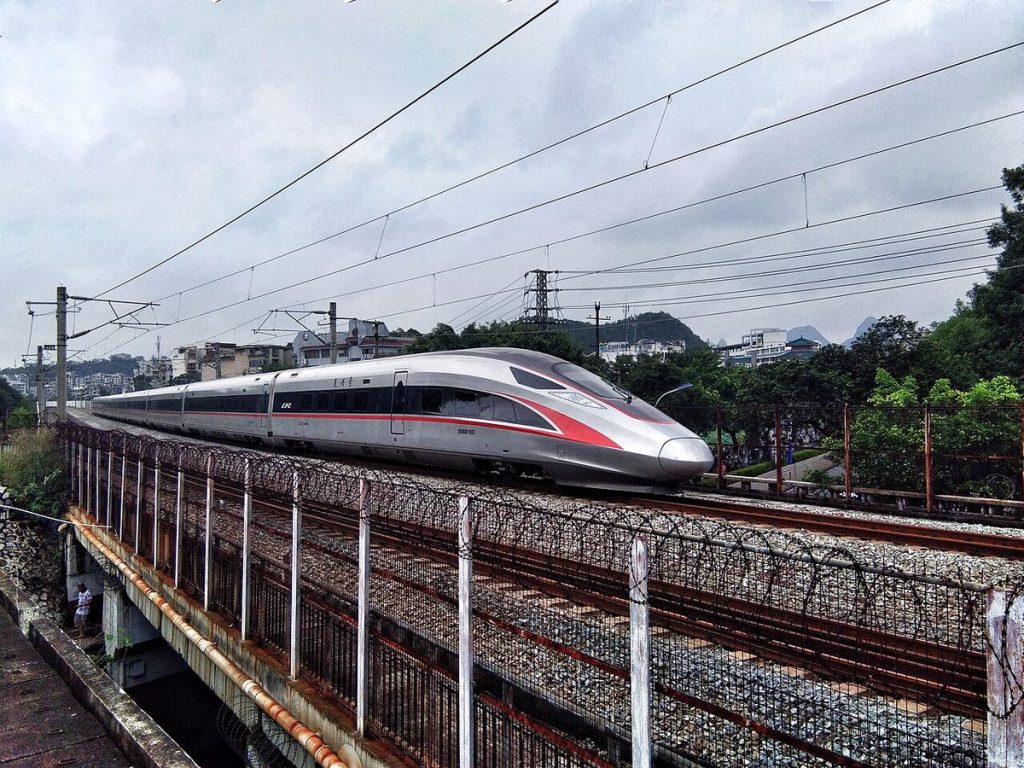
Traveling across China offers one of the most striking contrasts on earth. In a single journey, you can hike along ancient Ming Dynasty stone battlements perched above misty mountain crags, board a whisper-quiet high-speed train traveling at 350 kilometers per hour, and step out into illuminated urban boulevards where cashless street stalls serve handmade noodles late into the night. Far beyond tired stereotypes, contemporary China combines five thousand years of living cultural heritage with world-class transportation, extraordinary public safety, and breathtaking geological diversity.
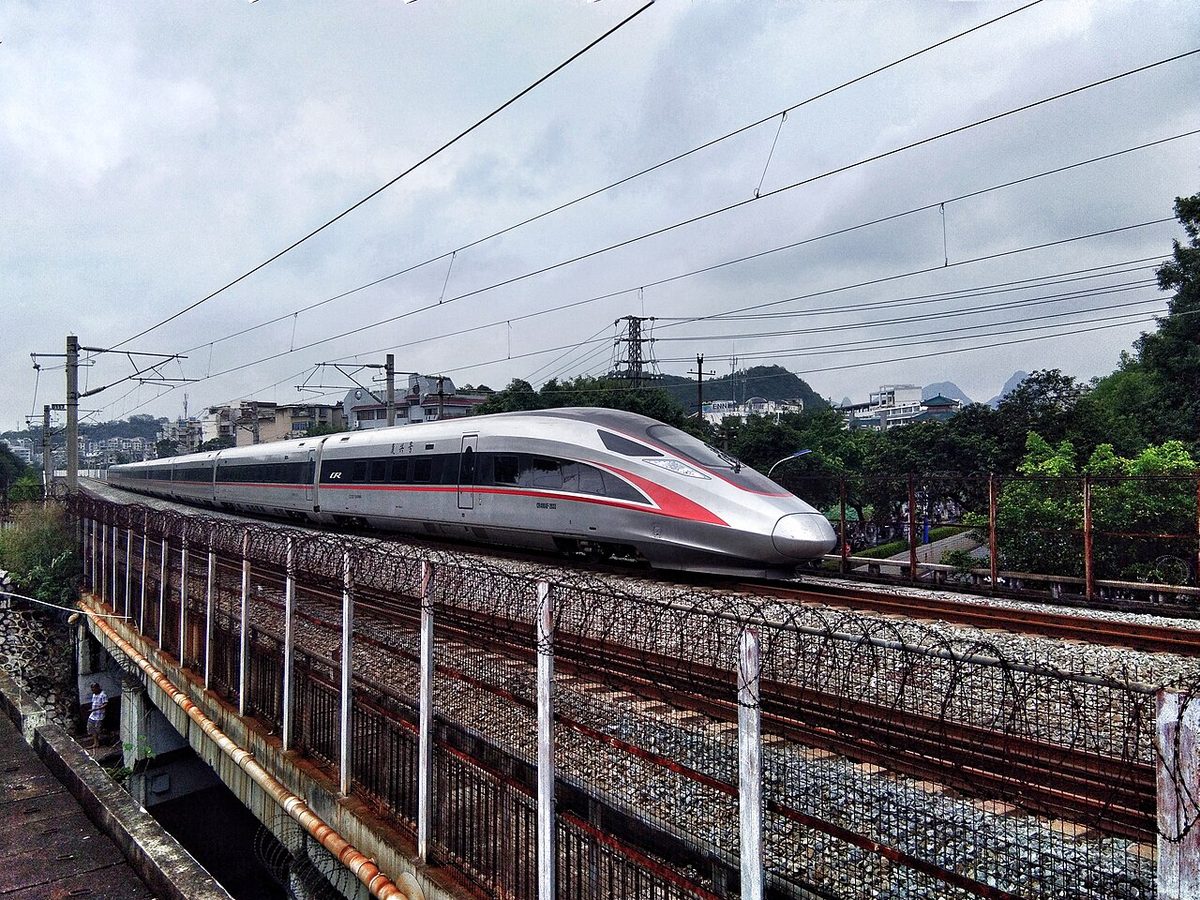
1. World-Class Infrastructure: High-Speed Rail That Redefines Travel
Few travel experiences compare to the convenience of China’s high-speed railway (CRH) network. Spanning over 45,000 kilometers, it connects virtually every major metropolis, provincial capital, and scenic mountain region with punctual, smooth, and electric-powered bullet trains.
Instead of enduring airport lines, baggage checks, and runway delays, travelers step into airy, multi-level railway concourses like Shanghai Hongqiao, Beijing South, or Chengdu East. Boarding with a simple passport scan, you settle into spacious seats equipped with power outlets, high-speed Wi-Fi, and panoramic windows. The 1,318-kilometer journey between Beijing and Shanghai takes just four hours and eighteen minutes at 350 km/h—gliding past rice paddies, ancient canals, and glittering modern skylines. Bullet trains now directly serve iconic destinations once considered remote, including the limestone peaks of Guilin, the mist-shrouded valleys of Huangshan, and the alpine lakes of Jiuzhaigou.
2. Five Millennia of Living Architecture and Imperial Heritage
China is home to 59 UNESCO World Heritage Sites, ranking among the top two globally. What makes these sites truly extraordinary is their scale and continuity—ancient philosophy, timber framing, and stone craftsmanship preserved across imperial dynasties.

In Beijing, the Forbidden City spans 980 surviving buildings with golden-glazed roof tiles and scarlet walls that housed twenty-four Ming and Qing emperors. To the north, the Great Wall winds across precipitous ridges, with sections like Jinshanling and Mutianyu showcasing two-story brick watchtowers and arrow embrasures engineering feats built five centuries ago. Further inland, the ancient capital of Xi’an reveals the subterranean army of Emperor Qin Shi Huang—thousands of life-sized terracotta soldiers, archers, and horses standing in battle formation since 210 BCE. In Suzhou and Hangzhou, classical scholar gardens harmoniously blend rockeries, flowing water, and weeping willows designed during the Song and Ming eras.
3. Surreal Natural Landscapes: From Avatar Pinnacles to Karst Rivers
Beyond its ancient capitals and vibrant cities lies a land of geological extremes. Spanning 9.6 million square kilometers, China’s topography encompasses subtropical karst formations, towering Himalayan glaciers, expansive sand deserts, and deep river gorges.
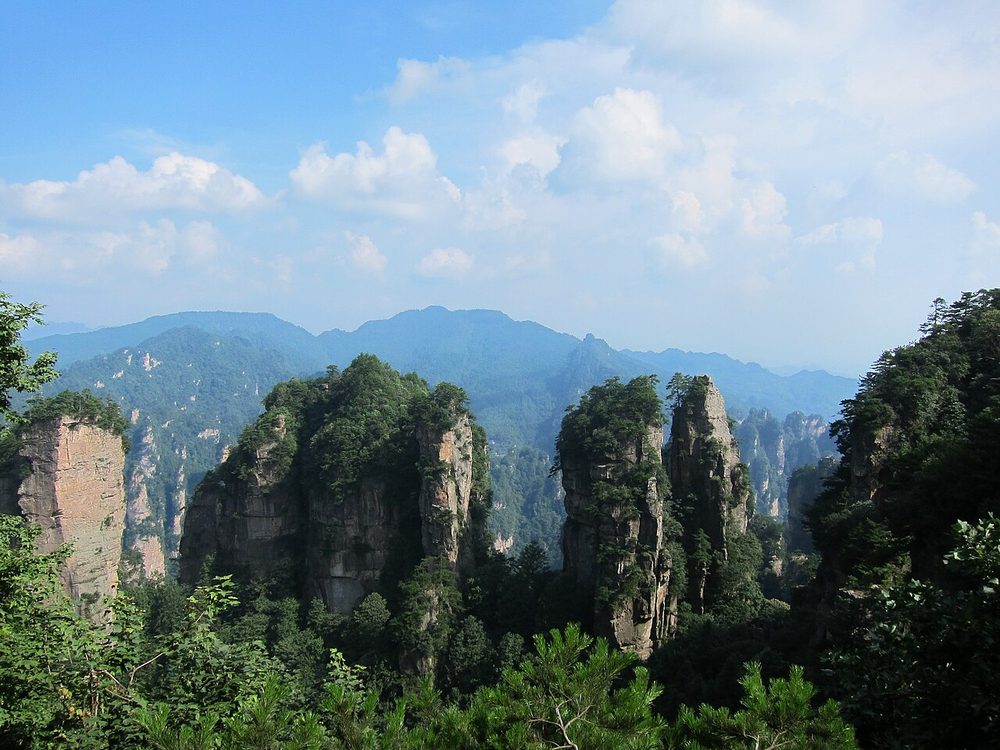
In Hunan Province, the quartzite sandstone towers of Zhangjiajie soar hundreds of meters vertically into the sky, creating the otherworldly landscape that inspired the floating Hallelujah Mountains in Hollywood’s Avatar. In Guangxi, the emerald Li River and Yulong River meander between thousands of conical karst limestone hills, where local fishermen navigate bamboo rafts beneath riverside peaks. In northern Sichuan, Jiuzhaigou National Park preserves multi-tiered travertine waterfalls and crystalline alpine lakes that shift between deep turquoise and sapphire blue. In Yunnan, the Jinsha River carves through Tiger Leaping Gorge, one of the deepest canyons on earth, framed by snow-capped Himalayan summits reaching over 5,500 meters.
4. Unmatched Safety and 24-Hour Vibrant Urban Life
One of the most immediate pleasant surprises for first-time visitors to China is the profound sense of personal safety. Major metropolises and provincial towns alike boast exceptionally low rates of violent crime and street theft.
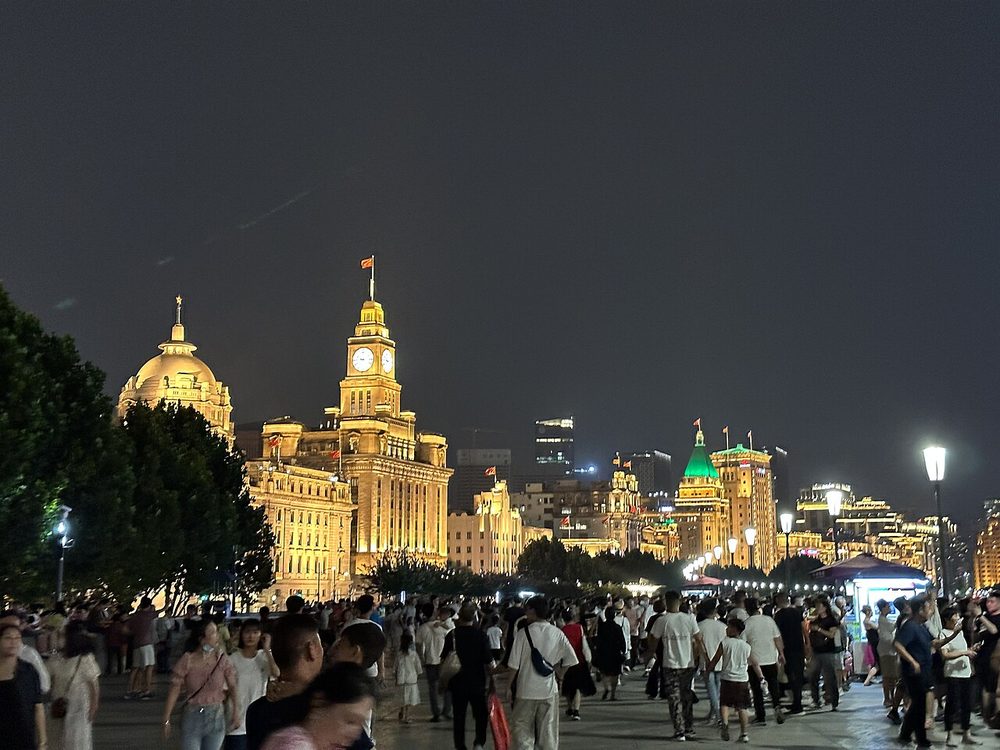
Whether strolling through the narrow hutong alleyways of Beijing, along Shanghai’s riverside Bund promenade, or exploring the buzzing night markets of Chengdu and Guangzhou, you will see solo female travelers, families, and seniors walking peacefully at midnight. Public parks are filled with evening dancers, tea houses remain open late, and metro networks operate with clean, well-lit platforms and dedicated security staff. For foreign travelers accustomed to keeping close watch over bags in European tourist hubs, China offers rare peace of mind.
5. The Frictionless Cashless Lifestyle
China is the world’s most cashless society, where everyday commerce happens via QR code. While this once posed a barrier for foreign visitors without domestic bank accounts, international travelers can now link their foreign Visa, Mastercard, or debit cards directly to Alipay and WeChat Pay.
With a quick scan of your smartphone, you can buy warm steamed dumplings (包子, Bāozi) from a street vendor for 5 RMB, tap into the city metro turnstile, hail an English-navigated DiDi taxi, or split a banquet dinner with friends. Digital convenience extends to seat delivery on high-speed trains, museum entry, and shared electric bicycle rentals on scenic country lanes. Traveling across China with just a smartphone and a passport is now an everyday reality.
6. Culinary Diversity: Eight Great Cuisines and Street Food Magic
Chinese cuisine is as diverse and geographically distinct as all of Europe combined. Forget the generic takeaway dishes often found overseas; each province boasts distinct flavor profiles, culinary traditions, and seasonal ingredients.
- Sichuan Cuisine (川菜): Known for tongue-tingling Sichuan peppercorns (麻辣, Málà), fiery hotpots, Dan Dan noodles, and Kung Pao chicken in Chengdu and Chongqing.
- Cantonese Cuisine (粤菜): Revered for delicate steamed dim sum, roast duck, fresh seafood, and slow-simmered herbal broths in Guangzhou and Shenzhen.
- Jiangnan / Huaiyang Cuisine (苏菜): Celebrates sweet osmanthus lotus root, slow-braised pork belly, and soup dumplings (小笼包, Xiǎolóngbāo) in Shanghai, Suzhou, and Hangzhou.
- Northern / Beijing Cuisine (鲁菜/京菜): Features crispy wood-roasted Peking Duck wrapped in paper-thin pancakes with sweet bean sauce and fresh spring onions.
- Northwestern Silk Road Flavors: Hand-pulled Lanzhou beef noodles, cumin-roasted lamb skewers, and fresh pomegranate juice in Xi’an and Dunhuang.
Start Planning Your Journey
Whether you are seeking a 10-day classic journey through Beijing, Xi’an, and Shanghai, or venturing into the alpine highlands of Yunnan and Tibet, explore our dedicated travel guides: