
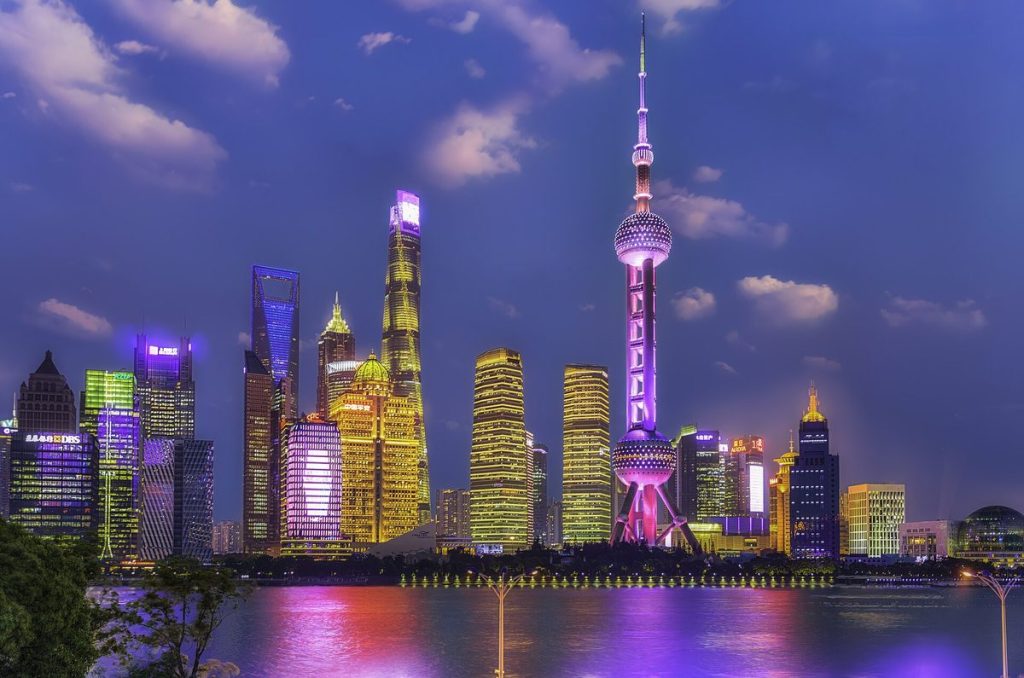
Shanghai is China’s financial engine and most cosmopolitan metropolis—a city where 1920s Art Deco heritage and futuristic cyberpunk skyscrapers exist on opposing banks of the Huangpu River. For decades, Shanghai has absorbed influences from across the globe, creating a distinctive lifestyle culture found nowhere else in Asia. Here, leafy plane-tree-shaded residential quarters hide thousands of specialty espresso roasters, while bullet trains and subways whisks travelers into eight-hundred-year-old water canal towns in under an hour.
This curated seventy-two-hour itinerary provides a balanced introduction to Shanghai. You will journey from the colonial riverfront of the Bund to the cafe-lined boulevards of the Former French Concession, ending with a day trip to the ancient water town of Zhujiajiao.
72-Hour Shanghai Itinerary Summary
1. Day 1: The Bund, Lujiazui Skyline & The Historic Old Town
Begin your morning on The Bund (外滩, Wàitān). This one-mile promenade along the western bank of the Huangpu River features fifty-two historic buildings showcasing Romanesque, Gothic, Renaissance, and Art Deco architecture constructed during Shanghai’s heyday as Asia’s financial powerhouse in the 1920s and 30s. Walk through the brass revolving doors of the Fairmont Peace Hotel (和平饭店) to admire its restored Lalique glass chandeliers and geometric Art Deco ceilings.
The 2 RMB River Ferry Secret: Avoid the expensive and tacky Bund Sightseeing Tunnel (50 RMB). Instead, walk south to the Jinling East Road Ferry Port (金陵东路轮渡站). Swipe your Alipay or WeChat transport QR code to pay 2 RMB ($0.28 USD) for the public commuter ferry to Dongchang Road on the Pudong side. The upper open deck provides panoramic open-air photography views across both the historic Bund and the futuristic Pudong towers without glass glare.
Ascending Lujiazui: Disembark in Lujiazui, home to three of the world’s most recognizable mega-towers. Head to the Shanghai Tower (上海中心大厦), the world’s third-tallest building standing at 632 meters. The world’s fastest elevator ascends at 20.5 meters per second to the 118th-floor observation deck (180 RMB admission), providing views looking down on the Oriental Pearl Tower and Jin Mao Tower.
In the late afternoon, return to Puxi and explore Yu Garden (豫园, Yùyuán), a classical Ming Dynasty scholar garden built in 1559 featuring koi ponds, dragon-topped stone walls, and tranquil pavilions. Directly outside in the bazaar, taste authentic pan-fried pork dumplings (Shēngjiān Bāo, 生煎包) and steaming soup dumplings (Xiǎolóngbāo, 小笼包) at Nanxiang Steamed Bun Restaurant.
2. Day 2: The Former French Concession: Coffee, Alleys & Modern Life
While the Bund showcases Shanghai’s grand imperial commerce, the Former French Concession (法租界) reveals the intimate neighborhood fabric of modern urban life. Developed between 1849 and 1943, this district is characterized by wide residential avenues shaded by London plane trees, European garden villas, and traditional stone-gate lilong apartments (Shìkùmén, 石库门).
Morning at Fuxing Park (复兴公园): Start at 8:00 AM in Fuxing Park, Shanghai’s only surviving French-style park. Early mornings bring hundreds of retired locals engaging in synchronized ballroom dancing, practicing Chen-style Tai Chi, writing water calligraphy on stone plazas, and exercising caged songbirds.
The Wukang Road Walking Route: Take Metro Line 10 to Shanghai Library Station and walk north along Wukang Road (武康路). This leafy corridor is Shanghai’s architectural heritage jewel:
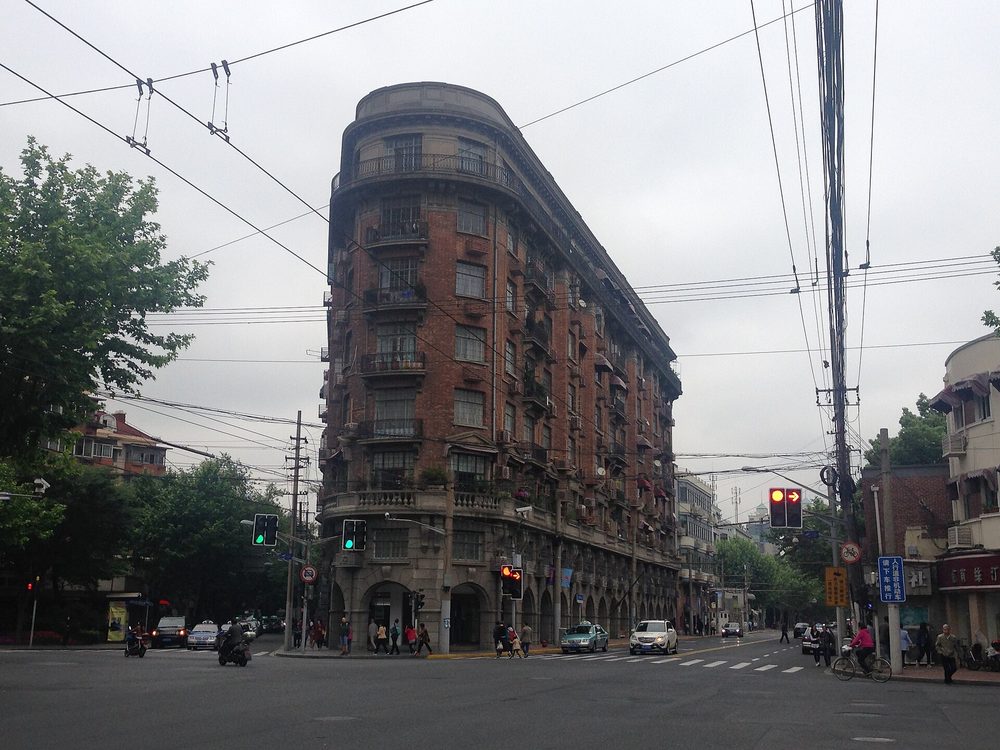
• Wukang Mansion (武康大楼): Standing at the five-way intersection of Wukang Road and Huaihai Middle Road, this wedge-shaped, eight-story French Renaissance residential building was designed in 1924 by celebrated Hungarian-Slovak architect László Hudec. Grab a flat white at a nearby sidewalk cafe and take photos from the pedestrian island opposite the building.
• Anfu Road (安福路): Turn onto Anfu Road, the epicenter of Shanghai’s youthful boutique lifestyle culture. Here you will find independent bakeries, minimalist fragrance studios, and some of the country’s finest specialty coffee roasters (such as Manner, Seesaw, and local micro-roasters).
• Tianzifang (田子坊): In the late afternoon, navigate the narrow pedestrian lanes of Tianzifang on Taikang Road, where historic residential shikumen lane homes have been converted into craft studios, leather workshops, tea parlors, and hidden cocktail bars.
3. Day 3: Zhujiajiao Water Town: Canals and Stone Bridges
Conclude your 72 hours by exploring the tranquil water town heritage of the Jiangnan region. While famous water towns like Wuzhen or Tongli require long regional bus trips, Zhujiajiao (朱家角) is connected directly to Shanghai’s municipal subway system.
Subway Transit: Take Metro Line 17 west directly to Zhujiajiao Station (朱家角站). The journey takes approximately 45 minutes from Shanghai Hongqiao Railway Station. From the metro exit, take a pleasant 15-minute walk or a 10 RMB shared electric cart to the historic canal zone.
Exploring Zhujiajiao: General entrance to the ancient town is free (specific historical buildings like the Qing Dynasty Post Office charge modest 5–10 RMB tickets):
• Fangsheng Bridge (放生桥): Constructed in 1571 and rebuilt in 1812, this is the largest five-arched stone bridge in the Shanghai region. The summit provides magnificent vantage points across the Caogang River lined with weeping willows and wooden-shuttered teahouses.
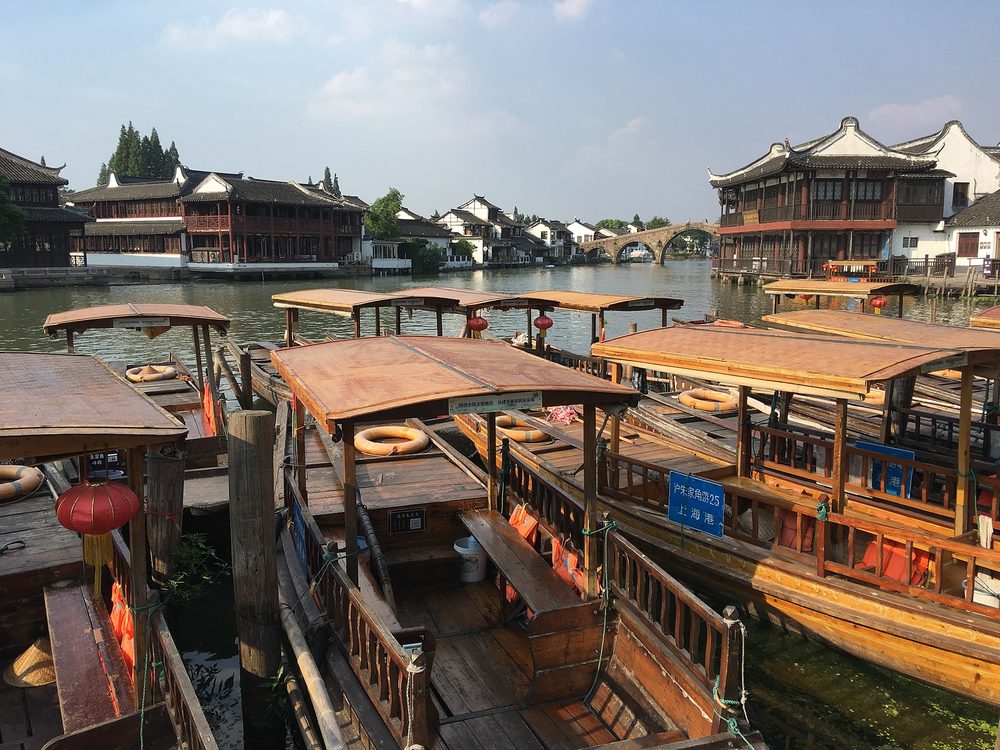
• Hand-Sculled Gondola Cruises: Hire a traditional wooden awning boat (Yáolǔchuán, 摇橹船) from the official pier. A boat costs between 80 and 150 RMB for up to six passengers, gliding under curved stone bridges and through narrow residential water alleys where locals still wash vegetables by stone water steps.
• Local Delicacies: Sample Zhazhuan (tender pork wrapped in bamboo leaves and braised in sweet soy sauce), crisp freshwater river shrimp, and roasted ginkgo nuts along North Street (Běidàjiē).
Book Shanghai Hotels & Water Town Day Trips
Hotels in the French Concession and Bund area fill up fast. Reserve your boutique heritage stay and regional rail travel with international cards:
4. Practical Shanghai Transit & Essential Tips
• Airport Maglev Speed Run: If arriving at Shanghai Pudong International Airport (PVG), take the Shanghai Maglev Train (上海磁浮) to Longyang Road Metro Station. The magnetic levitation train covers the 30-kilometer distance in just seven minutes and twenty seconds, reaching speeds of 300 to 430 km/h. Present your same-day flight boarding pass to receive a discounted one-way ticket for 40 RMB (regularly 50 RMB).
• Metro QR Code Setup: The Shanghai Metro system is the world’s longest rapid transit network, spanning over 800 kilometers across twenty lines. Open your Alipay app, switch the city to “Shanghai,” tap the “Transport” tab, and activate the “Shanghai Public Transit QR Code” (Shànghǎi Gōngjiāo Mǎ). Simply scan the QR code at the turnstile glass scanner to enter and exit without purchasing plastic tokens.
• Bund Illumination Hours: The architectural facade lighting on the historic Bund and Lujiazui skyline operates daily from 19:00 until 22:00 PM sharp (extended to 23:00 on major holidays). Plan your evening dinner or river stroll before 21:30 to experience the full golden illumination.