
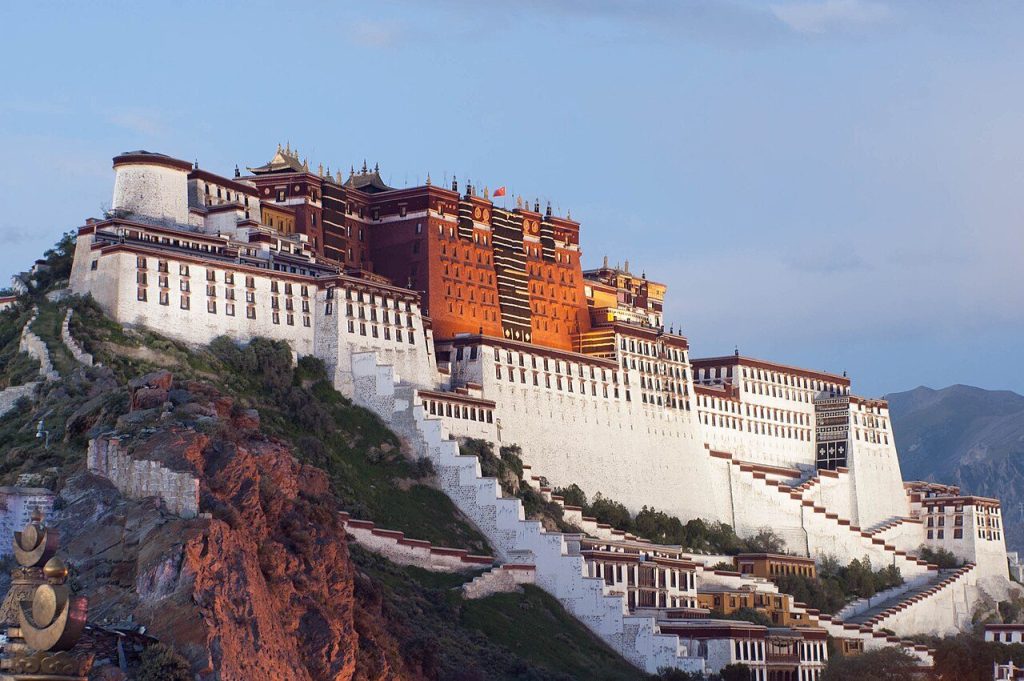
Traveling to the Tibetan Plateau—known as the Roof of the World—is one of the most spiritually stirring journeys on Earth. From the towering red and white walls of the Potala Palace in Lhasa to the sacred turquoise waters of Yamdrok Lake, Tibet offers breathtaking high-altitude landscapes. However, visiting as an international passport holder requires navigating strict regulatory permit requirements.
The Core Requirement: Tibet Travel Permit (TTP)
Under Chinese immigration regulations, foreign passport holders cannot travel independently in the Tibet Autonomous Region (TAR). You cannot simply buy a train ticket or book a flight to Lhasa on your own and show up at the station.
- Mandatory Tour Arrangement: You must book an organized itinerary through a licensed Chinese or Tibetan travel agency, which will arrange a licensed tour guide, dedicated driver, and private transport.
- Permit Processing Time: The agency submits your passport and Chinese visa copies to the Tibet Tourism Bureau in Lhasa to issue your Tibet Travel Permit (TTP). This process takes between 15 and 20 working days. Apply at least one month before your intended arrival.
- Original Document Required: When boarding flights or high-speed trains to Lhasa from cities like Chengdu, Xi’an, or Xining, you must present the original paper TTP document issued by authorities.
The Qinghai-Tibet Railway: Sky Train to Lhasa
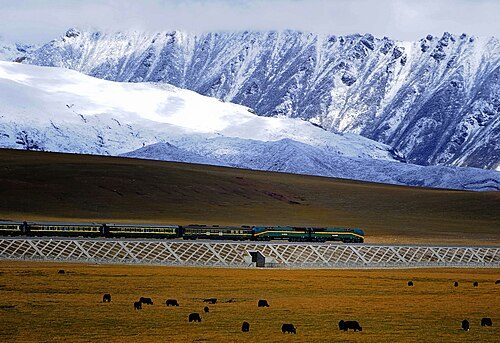
The Qinghai-Tibet Railway is the highest railway in the world, climbing across permafrost plateaus and reaching its peak at Tanggula Pass at 5,072 meters above sea level. While you can board direct sleeper trains to Lhasa from Beijing or Shanghai, the most scenic and practical route begins in Xining, the provincial capital of Qinghai.
The 21-hour train ride from Xining to Lhasa features specially engineered pressurized train carriages with oxygen enriched air pumped into the cabins as you cross the Tanggula Mountains. Individual bedside oxygen ports are available if you feel short of breath. Large panoramic windows frame grazing Tibetan wild antelopes (chiru), yaks, and snow-capped peaks rising above crystalline lakes.
Acclimatization & What to See in Lhasa
Lhasa sits at 3,650 meters above sea level. Plan your first 24 to 48 hours with minimal physical exertion to allow your body to adjust. Stay at licensed hotels in Lhasa on Trip.com with built-in oxygen diffusers in guest rooms, drink plenty of warm water, and avoid heavy showers or alcohol on night one.
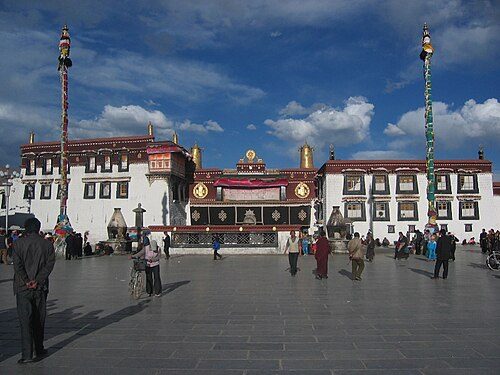
Must-visit spiritual landmarks include the Potala Palace—the historic winter palace of the Dalai Lamas—and Jokhang Temple, the spiritual heart of Tibetan Buddhism. Join thousands of Tibetan pilgrims performing the clockwise Barkhor devotional circuit (kora) around Jokhang Temple, spinning prayer wheels and prostrating before temple flagpoles. Witness spirited afternoon philosophical debates among Buddhist monks in the shaded pebble courtyard of Sera Monastery.
Travel Season & Planning
- Best Season: May to October offers clear blue skies, warmer daytime temperatures, and higher atmospheric oxygen levels. Note that Tibet is generally closed to international travelers during February and March each year for annual administrative reviews.
- Currency & Payments: While major shops in Lhasa accept Alipay and WeChat Pay, carry sufficient physical cash (RMB) when traveling outside Lhasa toward Mount Everest Base Camp or Namtso Lake.