
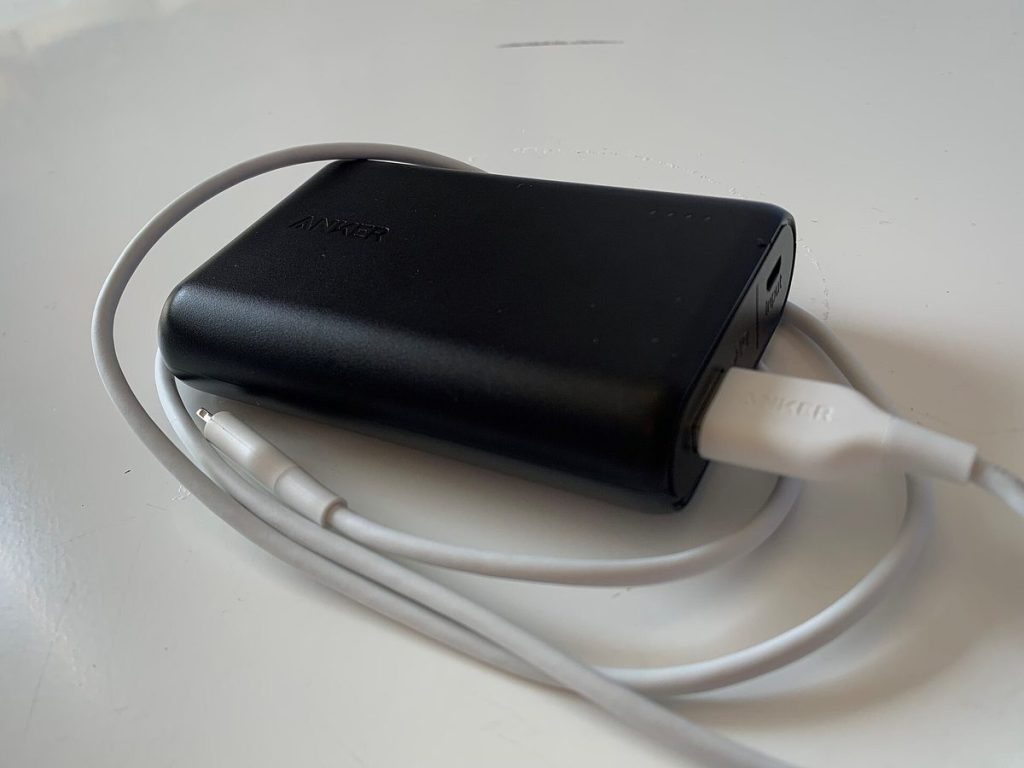
In China’s nearly cashless, app-driven society, keeping your smartphone charged throughout the day is as essential as carrying your passport. Whether you are scanning subway turnstiles, ordering dinner via digital table barcodes, or using translation tools, a drained phone battery stops your travel day in its tracks. However, China enforces the world’s most meticulous aviation regulations regarding portable power banks (Chōngdiànbǎo, 充电宝), catching thousands of unsuspecting international tourists off guard at airport security checkpoints every week.
Fortunately, if your personal power bank is confiscated at the airport—or if you simply prefer not to carry heavy charging bricks in your pocket—China possesses a ubiquitous, hyper-convenient network of shared power bank rental kiosks on almost every urban street corner. Here is everything you need to know about navigating airport lithium rules and utilizing shared street batteries as a foreigner.
Quick Takeaways: Power Bank Rules & Street Rentals
1. China’s Civil Aviation (CAAC) Power Bank Regulations
The Civil Aviation Administration of China (CAAC) enforces strict rules governing lithium batteries aboard domestic flights and international departures from Chinese airports. These regulations are designed to eliminate the risk of lithium thermal runaway in pressurized cabins.
Pay strict attention to the three primary capacity brackets:
1. Under 100Wh (Permitted Freely in Cabin): Power banks with an energy rating equal to or lower than 100 watt-hours require no special airline approval. Because standard lithium cells operate at a nominal 3.7 volts, 100Wh translates mathematically to approximately 27,000mAh. Therefore, standard 5,000mAh, 10,000mAh, and 20,000mAh power banks from recognized global brands fall comfortably within legal allowances.
2. 100Wh to 160Wh (Requires Airline Permission): High-capacity bricks (such as large 26,800mAh laptop power banks) falling between 100Wh and 160Wh require written authorization from the airline at the check-in desk before security. Each passenger is limited to a maximum of two units in this category.
3. Exceeding 160Wh (Strictly Prohibited): Any portable battery rated above 160Wh (such as heavy-duty portable power stations, electric skateboard batteries, or massive camera rig batteries) is strictly banned from passenger commercial flights in China.
Zero Batteries in Checked Baggage: You must never pack a power bank or loose lithium battery inside checked suitcases. Baggage screening systems will detect the battery, open your suitcase in the basement sorting facility, remove the battery, and leave an official confiscation slip inside your bag.
2. The “No Markings, No Fly” Confiscation Rule
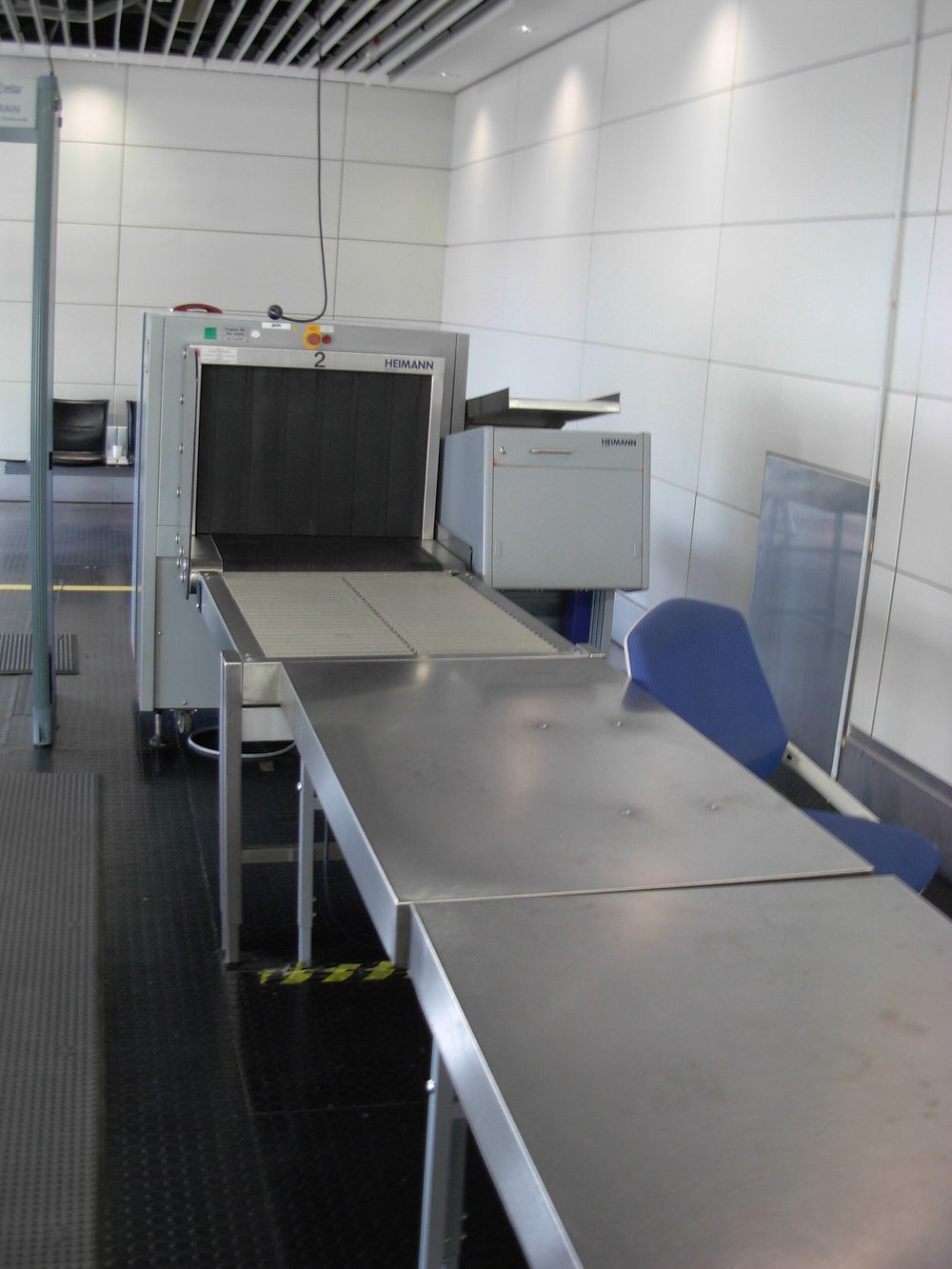
The single most frequent reason foreign travelers lose their power banks at Chinese airport security checkpoints is cosmetic wear. Security screeners at Beijing Capital, Beijing Daxing, Shanghai Pudong, and regional gateways are legally mandated to physically examine the printed technical specifications on every portable charger.
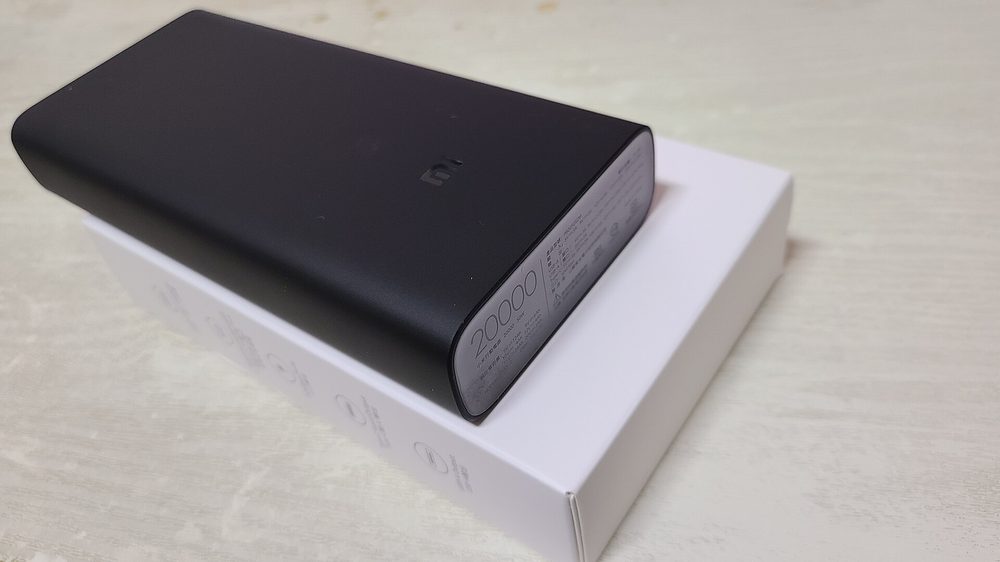
If the printed text showing the battery’s capacity, voltage, model number, or Wh calculation is rubbed off, faded, scratched, or covered by decorative stickers, the screener will reject it immediately. Security staff cannot guess battery capacities or accept digital receipts on your phone. If they cannot clearly read the factory rating with their naked eyes, the battery goes straight into the plastic disposal bin.
Additionally, transport authorities increasingly emphasize China Compulsory Certification (CCC / 3C) and international safety standards (CE, FCC, UL). Avoid bringing unbranded, generic promotional giveaways, or uncertified power banks purchased from street stalls.
3. Shared Street Power Banks: How the System Works
If you don’t want to carry a bulky charging brick—or if your battery was confiscated at border security—China’s shared power bank system (Gòngxiǎng Chōngdiànbǎo, 共享充电宝) provides an ingenious, frictionless alternative.
Compact multi-slot charging kiosks sit on the counters of virtually every coffee shop, noodle bar, hotpot restaurant, convenience store (FamilyMart, 7-Eleven, Lawson), subway interchange, and hotel lobby across the country. Major nationwide networks include Energy Monster (怪兽充电), Meituan (美团充电), Jiedian (街电), and Xiaodian (小电).
Each portable battery pack is approximately the size of an iPhone, holds around 5,000mAh of charge, and features three built-in retractable charging cables neatly tucked into its side: Apple Lightning, USB-C, and legacy Micro-USB. You do not even need to carry your own charging cable.
4. How Foreigners Rent Shared Batteries Using Alipay
Renting a shared power bank requires no Chinese national ID and takes less than thirty seconds. Follow this exact workflow:
Step 1: Open Alipay or WeChat. Launch Alipay and tap the “Scan” (扫一扫, Sǎoyīsǎo) icon at the top of the home screen.
Step 2: Scan the Kiosk QR Code. Point your phone camera at the large QR code displayed on the front of the rental cabinet. The app instantly launches the brand’s built-in mini-program.
Step 3: Authorize Deposit Waiver or Payment. The screen will display the hourly rental rate (typically 2 to 4 RMB per hour) and a 24-hour daily price cap (usually 20 to 30 RMB). If you have established credit on Alipay, the system automatically waives the security deposit. If not, the app will pre-authorize a refundable 99 RMB ($14 USD) deposit from your linked international credit card.
Step 4: Battery Ejection. Tap “Confirm Rent” (Lìjí Zūjiè, 立即租借). Within three seconds, an illuminated slot will click open and physically eject a fully charged battery. Pull the battery out, pull out the appropriate cable for your device, and plug it in.
5. Returning Your Battery and Avoiding Overdue Fines
One of the greatest advantages of shared power banks is interoperability across locations. You can rent a battery from a Luckin Coffee shop in downtown Shanghai, slip it into your pocket while sightseeing for three hours, and return it to a completely different convenience store or subway station across town.
To return the battery:
1. Find any empty cabinet belonging to the same brand (look for kiosks with available illuminated empty slots).
2. Push the battery firmly into an open slot with the metal charging pins facing inward until you hear a mechanical “click”.
3. Wait five seconds. The kiosk slot LED will flash and lock, and Alipay will send an instant push notification confirming your return, total rental duration, and the final charge (typically 4 to 8 RMB for an afternoon of power).
Crucial tip: Never hold a rented battery for more than 48 to 72 hours without returning it, or the system will assume you purchased the unit and permanently deduct the full 99 RMB deposit.