
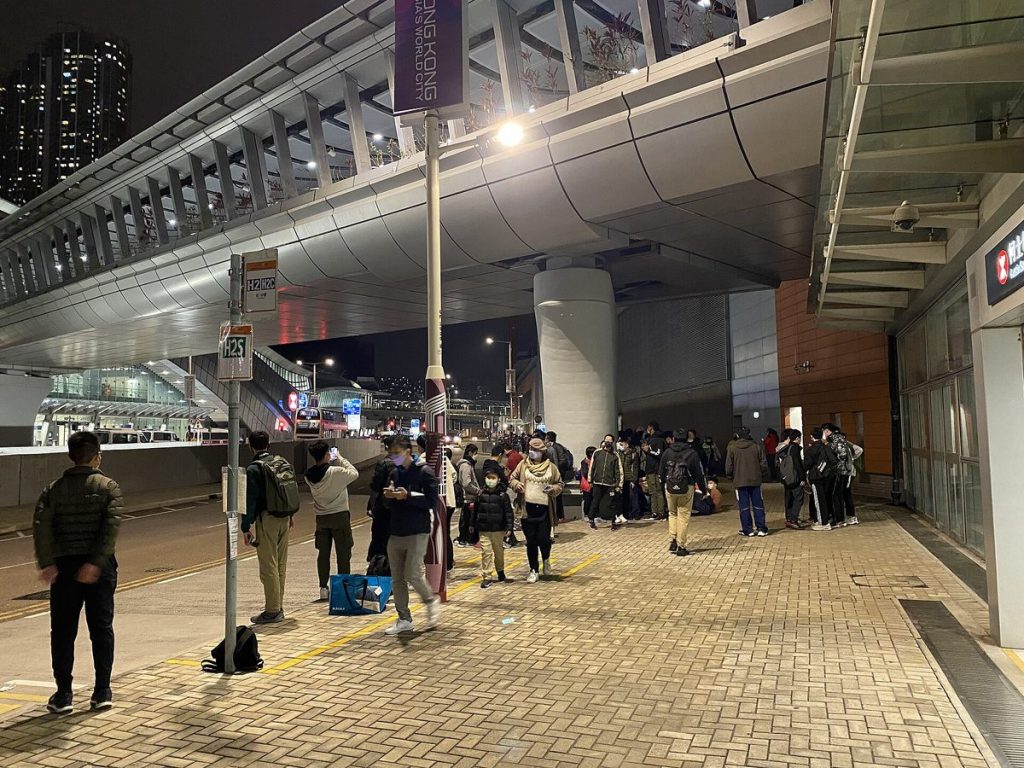
Connecting Hong Kong, Macau, and mainland China is faster and more seamless than ever thanks to monumental infrastructure projects like the Guangzhou-Shenzhen-Hong Kong Express Rail Link and the 55-kilometer Hong Kong-Zhuhai-Macau Bridge. Whether you want to travel from downtown Kowloon to Shenzhen in 14 minutes, take a high-speed catamaran across the Pearl River Delta to Macau, or catch a bullet train directly to Beijing, modern transit links make cross-border travel remarkably simple.
However, because Hong Kong and Macau operate as Special Administrative Regions (SARs) with independent immigration, customs, and currency frameworks, crossing between them and the mainland requires passing formal international border controls. Understanding the “co-location” checkpoint procedures and visa implications ensures a smooth transition across the Greater Bay Area.
Quick Takeaways: Hong Kong, Macau & Mainland Transit
1. High-Speed Rail from Hong Kong West Kowloon Station
The High-Speed Rail (HSR) departing from Hong Kong West Kowloon Station (Xi Jiǔlóng, 香港西九龙站) is the fastest, most convenient method for traveling into mainland China. The station is connected directly to the Austin and Jordan MTR stations in central Kowloon.
The standout operational feature of West Kowloon Station is the “Co-location Arrangement” (一地两检, Yī Dì Liǎng Jiǎn). Both Hong Kong immigration officials and Chinese Mainland National Immigration Administration officers operate inside the station:
Step 1: Security and Ticket Check (Level B1). Scan your passport at the automated turnstiles and pass your luggage through X-ray screening.
Step 2: Clear Hong Kong Exit Immigration (Level B3). Pass through Hong Kong border inspection booths to officially exit the Hong Kong SAR.
Step 3: Cross the Yellow Border Line. Walk across a marked floor boundary into the Mainland Port Area, which is legally governed by Chinese mainland law.
Step 4: Clear Mainland Entry Immigration. Complete your China Arrival Card, complete the biometric fingerprint scan kiosk, and present your passport to mainland immigration officers to receive your entry stamp or visa-free entry confirmation.
Step 5: Board Your Train (Level B4). Descend directly to the underground platforms. Because you have already cleared mainland immigration, when your train arrives at Shenzhen Futian, Guangzhou South, Guilin, or Beijing, you walk straight off the train and exit the arrival station into the city center in under two minutes without additional border checks.
Arrive at West Kowloon Station at least 60 to 90 minutes before scheduled departure to clear both immigration zones comfortably.
2. Train Travel Times and Ticketing via 12306 or Trip.com
Dozens of high-speed “G-trains” depart West Kowloon daily, offering rapid frequencies to regional hubs and long-haul direct connections:
• Shenzhen Futian: 14 minutes (Tickets from ~HK$75 / $10 USD)
• Shenzhen North (Shēnzhèn Běi): 18 minutes (Tickets from ~HK$82 / $11 USD)
• Guangzhou South (Guǎngzhōu Nán): 48 minutes (Tickets from ~HK$230 / $30 USD)
• Guangzhou East (Guǎngzhōu Dōng, downtown Tianhe district): 1 hour 20 minutes
• Direct Long-Haul Routes: Guilin (3 hours 20 minutes), Xiamen (4 hours), Changsha (3 hours 15 minutes), Shanghai Hongqiao (8 hours), and Beijing West (8 hours 30 minutes).
Foreign travelers can book tickets seamlessly online through the official China Railway 12306 website/app or via Trip.com using an international credit card. China operates 100% electronic ticketing (e-tickets). Your booking is tied directly to your passport number; you do not need to print a paper ticket. At station gates, simply scan your physical passport data page at the designated manual or automated passport e-channel reader.
3. Crossing the Hong Kong-Zhuhai-Macau Bridge by Shuttle Bus
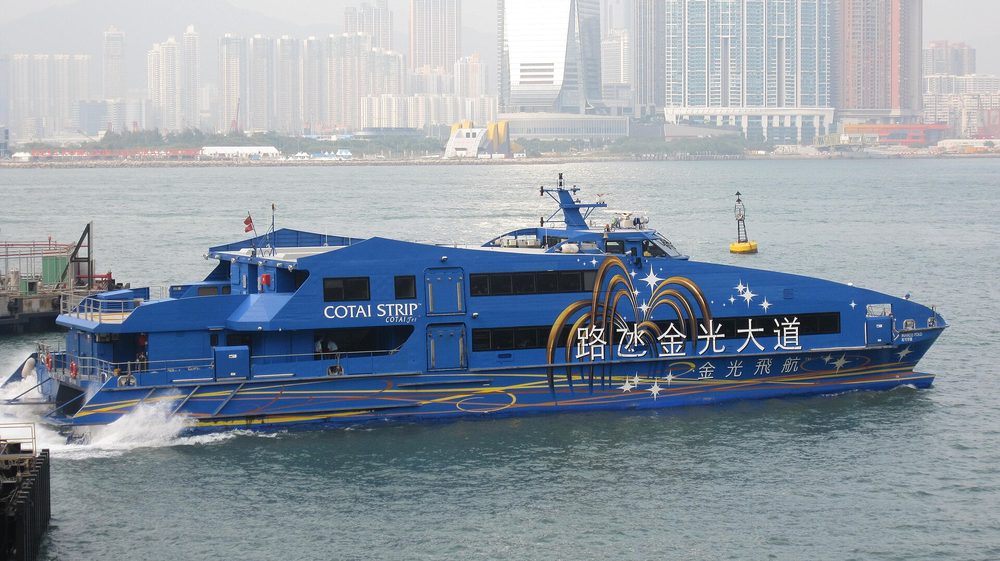
The Hong Kong-Zhuhai-Macau Bridge (HZMB, 港珠澳大桥) spans 55 kilometers across the Lingding Channel, combining cable-stayed bridges and a 6.7-kilometer undersea tunnel. For budget-conscious travelers moving between Hong Kong and Macau or Zhuhai, the HZMB Shuttle Bus—popularly called the “Golden Bus” (金巴, Jīnbā) due to its metallic livery—provides the most affordable 24/7 crossing.
Here is how the crossing works:
Reaching Hong Kong Port: Take public airport bus routes (such as A11, A21, or A22) or the B4/B6 local buses directly to the Hong Kong Port Passenger Clearance Building on the artificial island adjacent to Hong Kong International Airport.
Clear Hong Kong Exit Customs: Walk through the automated or staffed border control counters inside the spacious departures hall.
Purchase Your Bus Ticket: Purchase a shuttle ticket at the automated ticketing kiosks or ticket windows. Daytime tickets cost HK$65 (~$8.30 USD), while late-night departures (midnight to 6:00 AM) cost HK$70. Payment is accepted via Octopus card, Alipay, WeChat Pay, or credit card.
The Bridge Crossing: Board the modern double-decker bus. Buses depart every 5 to 15 minutes around the clock. The scenic ride across the bridge takes approximately 40 minutes, offering sweeping views of maritime shipping lanes and Lantau Island.
Clear Destination Customs: Upon arrival at Macau Port or Zhuhai Port, enter the passenger terminal and clear immigration. From Macau Port, free casino shuttle buses and public buses (101X, 102X) run continuously into downtown Macau and the Cotai Strip.
4. High-Speed Catamaran Ferries: Hong Kong to Macau
For travelers staying on Hong Kong Island (Central, Sheung Wan) or Kowloon (Tsim Sha Tsui), high-speed catamaran passenger ferries remain the most direct city-center to city-center link to Macau, bypassing the journey out to the airport bridge port.
Two established operators run routes across the Pearl River Delta:
TurboJet (喷射飞航): Red catamarans operating primarily from the Hong Kong-Macau Ferry Terminal in Sheung Wan (Hong Kong Island) to the Macau Outer Harbour Ferry Terminal (Pôrto Exterior), located close to the historic downtown peninsula. Crossings take 55 minutes and depart every 15 to 30 minutes.
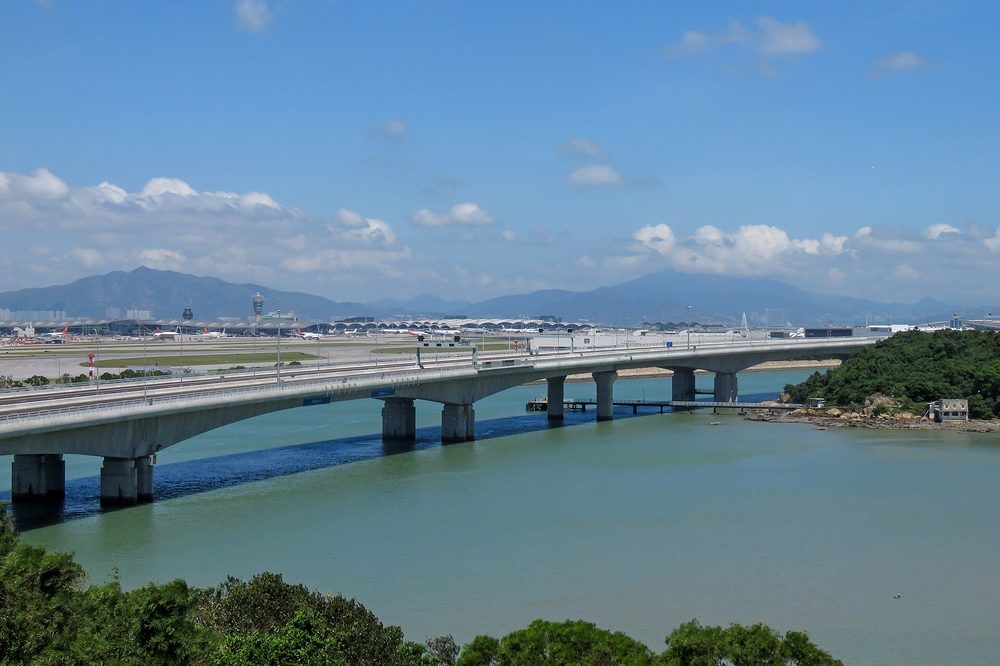
Cotai Water Jet (金光飞航): Blue catamarans operating from Sheung Wan and the China Ferry Terminal in Tsim Sha Tsui directly to the Macau Taipa Ferry Terminal, located adjacent to Macau International Airport and the glamorous Cotai casino resorts (The Venetian, The Londoner, Parisian).
Standard economy class tickets cost between HK$175 and HK$220 ($22–$28 USD) one way, with night sailings and weekend trips commanding a slight premium. Free luggage allowance is 20kg per passenger; oversized suitcases are checked at the terminal luggage counter for a nominal fee (approx. HK$30–$65 per piece).
If you land at Hong Kong International Airport (HKIA) and wish to proceed directly to Macau without entering Hong Kong, use the “SkyPier” ferry transfer service located inside the airport airside transit area. Follow signs for “Ferries to Macau” before reaching Hong Kong immigration; your luggage transfers automatically from your international flight to the catamaran.
5. Visa and Border Rules: Preventing Single-Entry Traps
Navigating the borders between Hong Kong, Macau, and the mainland requires careful attention to visa counts:
The Single-Entry Trap: Hong Kong and Macau are separate customs and immigration territories. When you travel from mainland China into Hong Kong or Macau, you legally exit mainland China. If you entered China on a standard single-entry consular tourist visa (L-visa), stepping into Hong Kong automatically uses and invalidates your visa. You cannot re-enter the mainland without applying for a fresh visa or qualifying for a visa exemption.
Visa-Free Country Citizens: Travelers holding passports from countries eligible for bilateral visa-free entry to mainland China (e.g., Germany, France, Italy, Spain, Australia, Singapore, Malaysia, etc.) can freely travel between the mainland, Hong Kong, and Macau, as each entry into the mainland resets their allowable visa-free stay period (typically 15 or 30 days).
144-Hour Transit Passengers: If you are utilizing the 144-hour or 240-hour visa-free transit facility in Guangdong Province (entering through Guangzhou Baiyun, Shenzhen Bao’an, or Jieyang Chaoshan airports), exiting directly to Hong Kong or Macau via West Kowloon bullet train, HZMB bus, or passenger ferry is fully permitted, provided you hold a confirmed onward ticket and travel within the allowable provincial boundaries.