
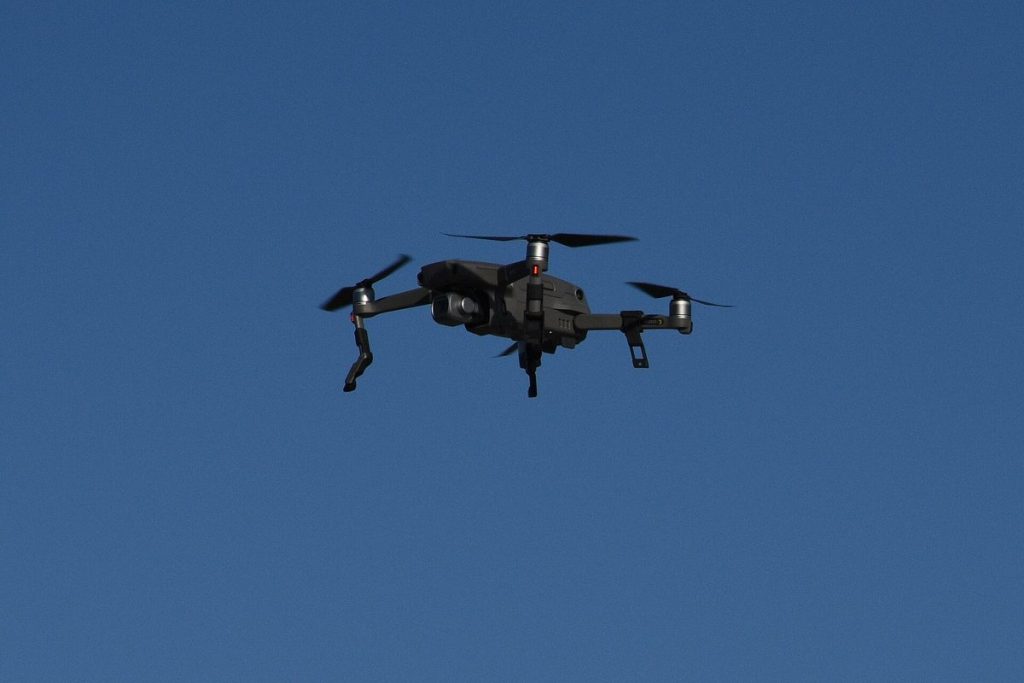
China is the global home of civilian drone technology, producing the vast majority of the world’s consumer quadcopters through giants like DJI in Shenzhen. Capturing cinematic aerial footage of the otherworldly sandstone pillars of Zhangjiajie, the mist-shrouded karst peaks of Guilin, or the Terraced fields of Yunnan is a dream for many international travel photographers. However, flying a drone in China is strictly regulated under comprehensive national aviation laws.
Foreign tourists can legally bring and fly camera drones in China, but doing so requires completing real-name registration with the Civil Aviation Administration of China (CAAC), understanding strict geographic no-fly zones, and navigating national park permitting procedures to avoid severe fines, drone confiscation, or police detention.
Quick Takeaways: Drone Laws in China for Foreigners
1. National Drone Regulations: Real-Name UOM Registration
Under China’s national “Interim Regulations on the Flight Management of Unmanned Aircraft” (Wúrén Jiàshǐ Hángkōngqì Fēixíng Guǎnlǐ Zhǎnxíng Tiáolì, 无人驾驶航空器飞行管理暂行条例), real-name registration is compulsory for every civilian unmanned aerial vehicle (UAV) operated within mainland territory.
Unlike some Western countries where drones weighing under 249 grams are exempt from registration, China enforces registration for all weight categories—from lightweight micro-drones (DJI Mini 2, 3, 4) to professional multi-rotor rigs. Unregistered drone flights face administrative fines of up to 20,000 RMB ($2,800 USD).
Foreign tourists can register online via the official CAAC Unmanned Aircraft Management platform (UOM, `uas.caac.gov.cn`):
Step 1: Create an Account. Visit the UOM portal. Select the English interface and choose “Foreign Passport Holder Registration.” Enter your legal name as shown on your passport, passport number, nationality, email address, and a contact phone number (international mobile numbers with country codes are accepted).
Step 2: Register Your Drone Hardware. Select your drone manufacturer (e.g., DJI / 大疆), specific model, serial number (SN), and maximum takeoff weight. The serial number is printed on your drone’s original retail box, inside the battery compartment, or accessible in the DJI Fly app under “About”.
Step 3: Generate and Affix the QR Code. The system immediately issues a digital registration certificate and a unique QR barcode. You must print this QR code (using clear adhesive tape or sticker paper) and paste it securely onto the exterior arm or fuselage of the drone before flying.
2. Strict No-Fly Zones: Where Drones Are 100% Prohibited
China strictly enforces electronic geofencing and radio monitoring around sensitive airspace. Security agencies utilize handheld radio-frequency jammers and anti-drone guns (Fǎn Wúrénjī Gānrǎoqīng, 反无人机干扰枪) that sever control signals and force unauthorized drones to land immediately.
Never attempt to fly in the following locations:
The Beijing Metropolitan Area: The entire region within the Beijing Sixth Ring Road (which encompasses the Forbidden City, Tiananmen Square, the Summer Palace, Olympic Park, and all central districts) is a permanently sealed no-fly zone. DJI geofencing will not allow motors to arm within this perimeter. Flying a drone in central Beijing results in immediate detention by Public Security officers.
Airports and Approach Paths: All airspace within 10 to 15 kilometers of civil and military airports is strictly off-limits. Geofencing automatically blocks takeoffs near major hubs like Shanghai Pudong, Guangzhou Baiyun, or Chengdu Tianfu.
Military Bases, Power Plants, and Government Complexes: Airspace above government administrative offices, radar stations, naval ports, power distribution grids, and international border areas (such as the China-Vietnam or China-Laos borders) is heavily guarded.
High-Speed Rail Lines: Flying within 500 meters of electrified high-speed rail tracks is illegal. A drone collision with 27.5kV overhead catenary power lines poses a catastrophic rail safety hazard.
3. Flying in National Parks and Major Tourist Attractions
Most foreign photographers want to fly in China’s famous scenic nature reserves. However, policies vary dramatically between individual national parks:
Zhangjiajie National Forest Park: Drone flights directly inside the core scenic area (Yuanjiajie, Tianzi Mountain, Golden Whip Stream) are restricted to protect dense crowds and prevent disturbance to wild macaque monkeys. To fly, visitors must register their drone at the park management office (Guǎnlǐchù), sign a safety liability waiver, and obtain an approved daily flight window. Commercial permits may be required for professional camera rigs.
Huangshan (Yellow Mountain): Flying over the primary granite peaks is strictly banned due to sudden cloud shifts, strong updrafts, and dense tourist crowds along narrow cliff paths. Park rangers operate signal detection equipment and will seize drones launched from mountain summits.
Guilin and Yangshuo: The rural karst valleys along the Yulong River and rural Xingping are among the most drone-friendly regions in China. Flying over countryside rice fields, bamboo groves, and open river bends is generally permitted, provided you stay well clear of crowded bamboo raft launching docks and rural helicopter tour flight paths.
Western Sichuan and Yunnan: Wide-open plateau regions (such as Shangri-La, Dali Erhai Lake, and western Sichuan mountain passes) offer superb legal flying conditions. Always maintain visual line of sight and avoid flying close to Tibetan Buddhist monasteries during prayer hours.
4. Transporting Drones on Chinese High-Speed Trains and Domestic Flights
Transporting your drone between destinations requires adhering to domestic transport rules:
On Domestic Flights: The drone body (without batteries) can be packed in checked luggage if desired, but all lithium batteries (LiPo / Li-ion) MUST remain in your cabin carry-on luggage. Each standard DJI battery is well under the 100Wh airline ceiling (e.g., a DJI Mini battery is ~18Wh; a Mavic 3 battery is ~77Wh). Place individual batteries in protective fireproof lipo-safe bags or cover exposed copper terminals with electrical tape.
On High-Speed Trains: Drones and their batteries are fully permitted on high-speed rail networks. Carry the drone bag through the security scanner conveyor belt. Train regulations limit passengers to reasonable personal electronics; traveling with 2 to 4 spare batteries is completely standard.
5. Practical Flight Protocol and Avoiding Cultural Conflicts
To ensure a safe and incident-free drone trip across China, follow these professional best practices:
1. Check the DJI Fly App map before heading to a location. Blue and red zones indicate authorization zones and restricted airspace where firmware will prevent motor spin.
2. Keep flights below 120 meters (400 feet) above ground level at all times, as mandated by national low-altitude airspace regulations.
3. Do not hover over crowds or outdoor night markets. If security guards (Bǎo’ān, 保安) or police approach you while flying, remain calm, land your drone immediately, and show your passport alongside your printed CAAC UOM registration certificate. Compliance and courtesy resolve nearly all inquiries smoothly.