
Chongqing is unlike any other metropolis on earth. Built across precipitous sandstone ridges at the confluence of the Yangtze and Jialing rivers, this sprawling southwestern megacity of over thirty million people is famously described as a “3D Cyberpunk Mountain City” (Shānchéng, 山城). Here, urban topography defies standard two-dimensional logic: you can walk out of a restaurant’s ground-floor front entrance onto a busy street, only to look down from the rear balcony and realize you are standing on the twenty-second floor of a vertical cliffside complex.
With monorail trains gliding directly through residential apartment buildings, multi-tiered pedestrian suspension bridges spanning foggy river gorges, neon-lit cliffside stilt houses glowing like scenes from Spirited Away, and the world’s most fiercely spiced boiling hotpot, three days in Chongqing offers an unforgettable sensory overload.
Quick Takeaways: 3 Days in Chongqing
1. Navigating Chongqing’s 3D Urban Architecture
To enjoy Chongqing, you must first embrace its vertical reality. Street navigation apps like Apple Maps or Amap work well for directions, but they often struggle to calculate vertical elevation. A building’s entrance marked on your map might be accessible from three completely different streets at three different elevation tiers.
Nowhere is this more evident than at Kuixinglou (魁星楼) in the central Yuzhong District. You step onto a wide, sunlit public plaza with trees, benches, and pedestrians—only to walk over to the railing and look straight down to see twenty-seven stories of vertical space dropping to the roadway below. To reach the lower city, you can take elevators through cliffside residential blocks or ride the historic Crown Grand Escalator (Huángguān Dàfútī, 皇冠大扶梯), a massive 112-meter single escalator built in 1996 that connects Lianglukou to the Chongqing Railway Station in 2.5 minutes for a 2 RMB transit ticket.
2. Day 1: Yuzhong Peninsula, Liziba Monorail, and Hongyadong
Begin your exploration in the historic heart of Chongqing on the Yuzhong Peninsula:
Morning: Jiefangbei and Mountain City Alleyways. Start at the Liberation Monument (解放碑, Jiěfàngbēi), the iconic pedestrian clock tower commemorating victory in WWII, surrounded by futuristic glass towers. From here, walk ten minutes down to the Mountain City Trail (Shānchéng Bùdào, 山城步道), a preserved cliffside pedestrian walkway suspended along the southern rock face of the peninsula. Enjoy views across the Yangtze River while passing traditional tea parlors and historical courtyard homes.
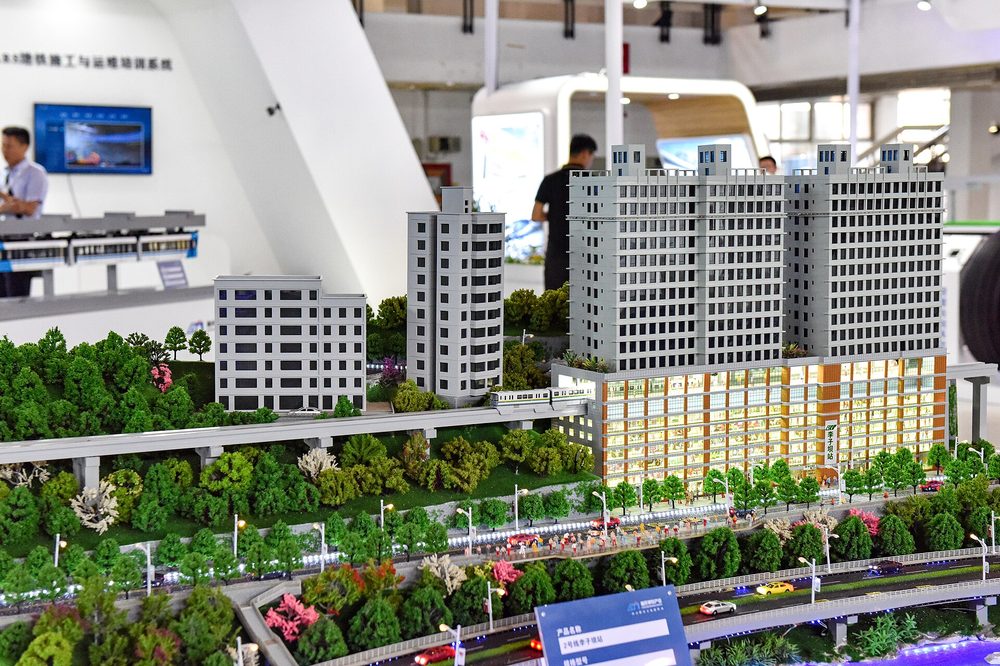
Afternoon: The Liziba Monorail Experience. Board CRT Metro Line 2 at Jiaochangkou Station. Line 2 is a rubber-tired straddle monorail that hugs the winding cliffs above the Jialing River like a roller coaster. Ride through Liziba Station (李子坝) to feel the surreal sensation of gliding directly through the 6th to 8th floors of an inhabited 19-story apartment complex. Disembark at Liziba, take the elevator down to street level, and walk into the dedicated viewing park across the street to capture the famous shot of the train emerging from the building facade.
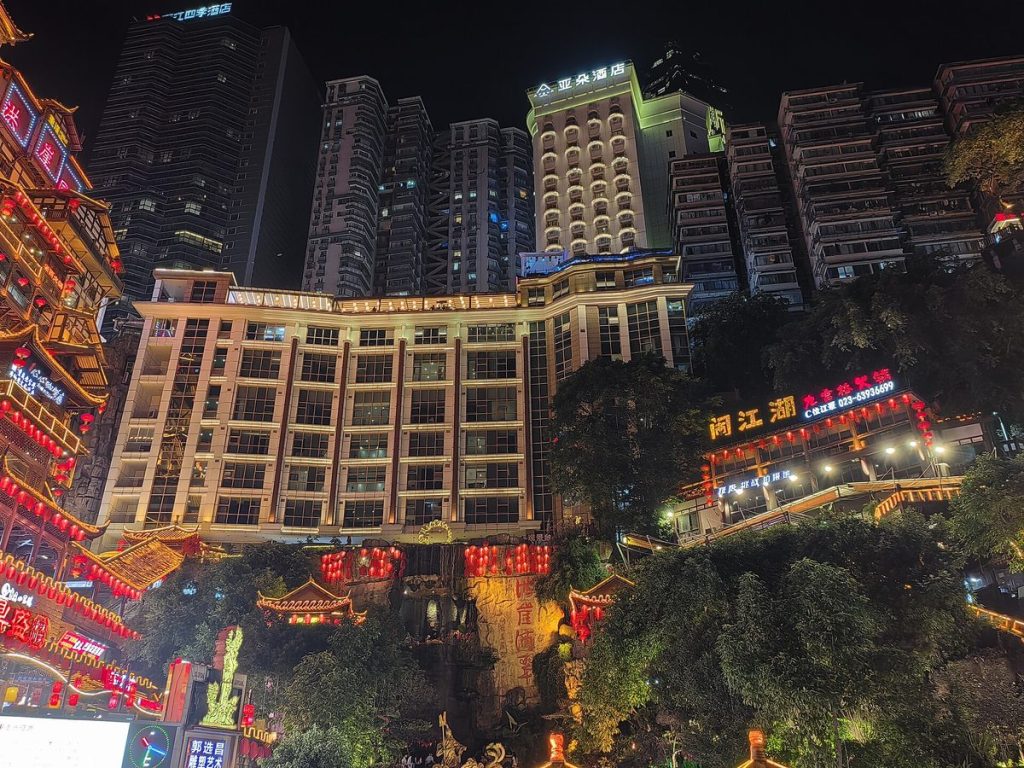
Evening: Hongyadong Cliffside Stilt Houses. Return to the Jialing River waterfront as dusk falls. Hongyadong (洪崖洞) is an 11-story vertical complex of traditional Bayu-style wooden stilt houses (Diàojiǎolóu, 吊脚楼) constructed against a sheer cliff. At approximately 19:30, thousands of golden amber lanterns and neon rooflines illuminate the structure. Walk out onto the pedestrian promenade of Qiansimen Bridge for the ultimate postcard panorama of the golden fortress glowing against modern Lujiazui-style skyscrapers across the river.
3. Day 2: Ciqikou Ancient Town, Cyberpunk Night Views, and River Cruise
Day two blends Chongqing’s maritime river history with its dazzling contemporary nightscape:
Morning: Ciqikou Ancient Town (磁器口古镇). Take Metro Line 1 directly to Ciqikou. This former porcelain shipping port on the Jialing River dates back to the Song Dynasty. Stroll down stone-paved lanes lined with craftsmen stretching traditional Chen Mahua twisted dough snacks (Chén Máhuā, 陈麻花), boiling Sichuan peppercorn pastes in huge copper vats, and serving Gaiwan green tea in historic teahouses overlooking the river.
Afternoon: Eling Park and Testbed 2 Arts District. Head to Eling Park (鹅岭公园) and the adjacent Testbed 2 Cultural Creative Park (二厂文创公园), housed inside a repurposed 1950s banknote printing factory. Perched on the narrowest ridgeline of the peninsula, the rooftop terraces offer 360-degree views of both rivers flanking the city center.
Night: Two Rivers Night Cruise. Board an evening cruise (Liǎngjiāng Yóuchuán, 两江游船) from Chaotianmen Pier (朝天门码头) at the tip of the peninsula, where the blue waters of the Jialing River collide visibly with the murky brown current of the Yangtze. The 60-minute cruise floats past neon-lit suspension bridges, illuminated cliffside facades, and Raffles City Chongqing’s dramatic crystal skybridge.
4. Day 3: Wulong Karst Day Trip (Three Natural Bridges)
On your final day, take a side trip to Wulong Karst National Geology Park (武隆喀斯特), a UNESCO World Heritage site located two hours southeast of the city:
Catch a morning high-speed bullet train from Chongqing North or Chongqing West Station to Wulong Station (roughly 1.5 to 2 hours, ~40–60 RMB). From Wulong station, tourist shuttle buses run directly to the Three Natural Bridges (Tiānshēng Sānqiáo, 天生三桥).
Take an 80-meter glass elevator down into the floor of a monumental limestone sinkhole (Tiānkēng). Hike beneath three gigantic natural stone arch bridges towering nearly 300 meters overhead. At the bottom of the gorge stands the ancient Tianfu Official Posthouse (天福官驿), a restored Tang-style wooden outpost famously featured in Zhang Yimou’s Curse of the Golden Flower and Michael Bay’s Transformers: Age of Extinction. The flat 2.5-hour canyon walk passes waterfalls, sheer limestone walls, and emerald pools.
5. Chongqing Hotpot Survival Guide for Foreigners
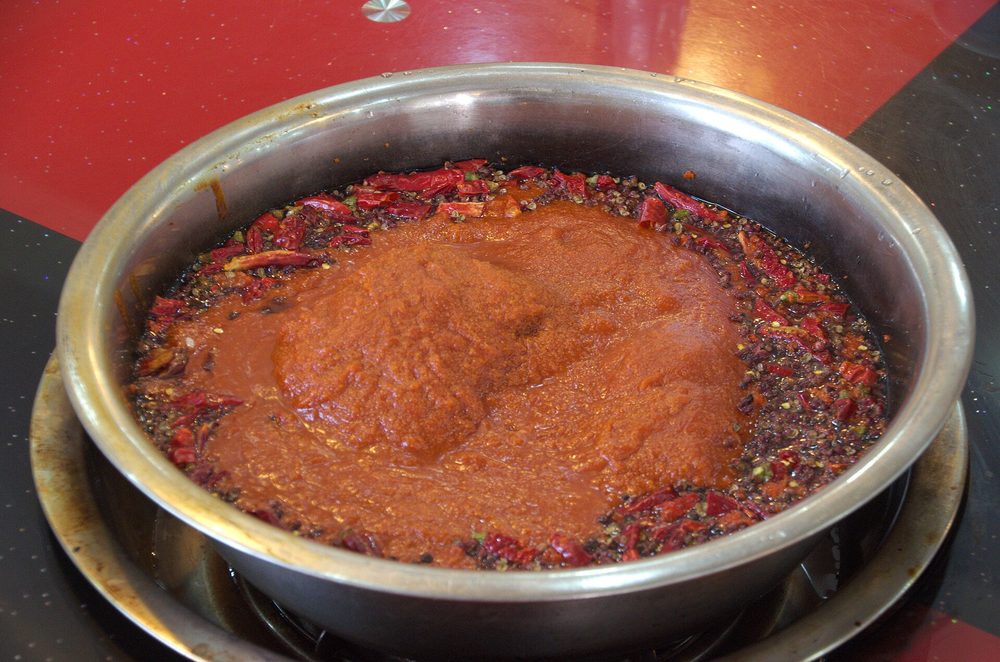
Chongqing is the undisputed Hotpot Capital of China. Local old hotpot (Lǎo Huǒguō, 老火锅) uses a dense broth made of heavy beef tallow (Niúyóu), dried red chili peppers, fermented black beans, and tongue-numbing Sichuan peppercorns (Huājiāo).
Follow these essential rules to survive and savor your meal:
1. The “Split Pot” Strategy: When the waiter asks for your broth choice, do not order the standard full spicy red pot (Jiǔgōnggé 9-grid pot) unless you possess an extraordinary tolerance for capsaicin. Instead, order a Split Pot (鸳鸯锅, Yuānyāng Guō). This gives you a fiery red chili tallow broth on one side and a gentle, savory mushroom or chicken bone broth on the other.
2. Specify Mild Spice: Say “Wéilà” (微辣, mild spicy). In Chongqing, “mild” is equivalent to “extra spicy” in Western restaurants. If you are very sensitive, ask for “Little Mild” (Wéiwéilà, 微微辣).
3. The Sesame Oil Dipping Bowl: The secret to eating hotpot without burning your palate is the condiment bowl. Fill your small ceramic bowl with pure sesame oil (Xiāngyóu, 香油) and add crushed raw garlic, chopped cilantro, and green onions. Coating freshly boiled meats in cooling sesame oil creates a protective barrier for your stomach and lowers the surface temperature instantly.
4. Must-Try Local Ingredients: Order crunchy duck intestines (Yācháng, 鸭肠), cattle tripe (Máodù, 毛肚), tender beef slices (Nèn Niúròu), winter bamboo shoots, and frozen tofu that absorbs the savory broth. Boil tripe and intestines for just 10 to 15 seconds (“swish seven times”) for optimal crisp texture.