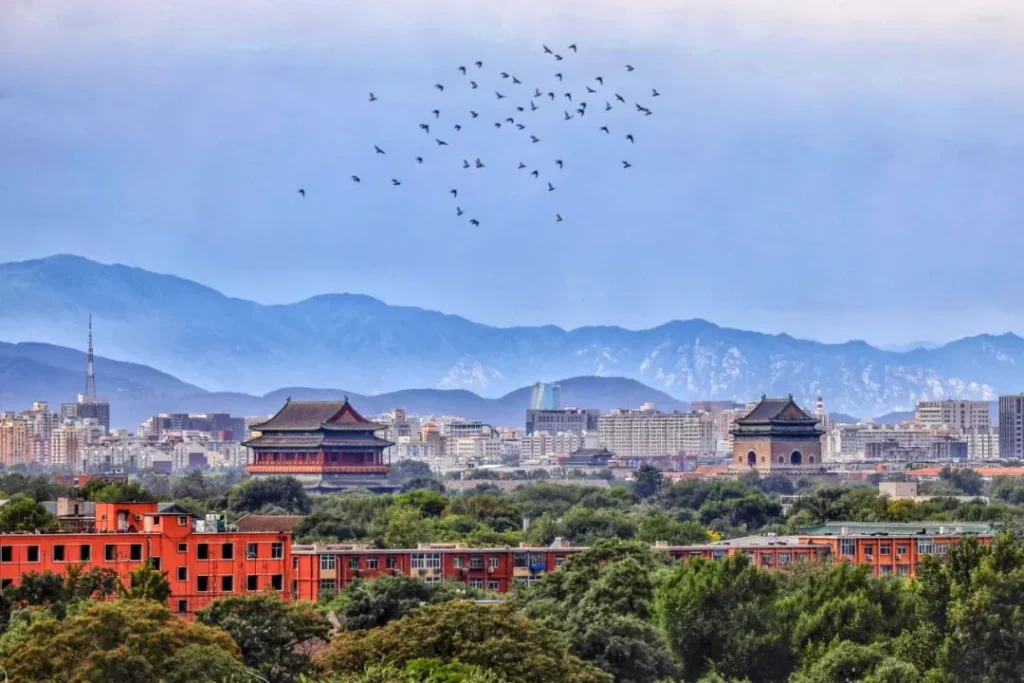
Beijing’s Central Axis isn’t just a line on a map; it’s the backbone of this ancient city, the China capital! Stretching 7.8 kilometers, this incredible strip ties together grand imperial buildings and lively local scenes from the Yuan, Ming, and Qing dynasties – a deep dive into Chinese history. Think of it as more than just geography – it’s the spiritual heart of Chinese culture. Walking along it feels like stepping through time. Here are six must-see spots that really bring this journey to life.
- 1. Qianmen Street (前门大街): A Living Museum of Old Beijing Charm
- 2. Yongdingmen Gate Tower (永定门城楼): The Grand Southern Starting Point
- 3. Beijing Ancient Architecture Museum (北京古代建筑博物馆): A Masterclass in Wooden Wonders
- 4. Jingshan Park (景山公园): The View from Above the Forbidden City
- 5. Bell and Drum Towers (钟鼓楼): Echoes of Timekeeping
- 6. Hong’en Temple (宏恩观): An Old Taoist Temple’s Hip Makeover
- Related posts:
1. Qianmen Street (前门大街): A Living Museum of Old Beijing Charm
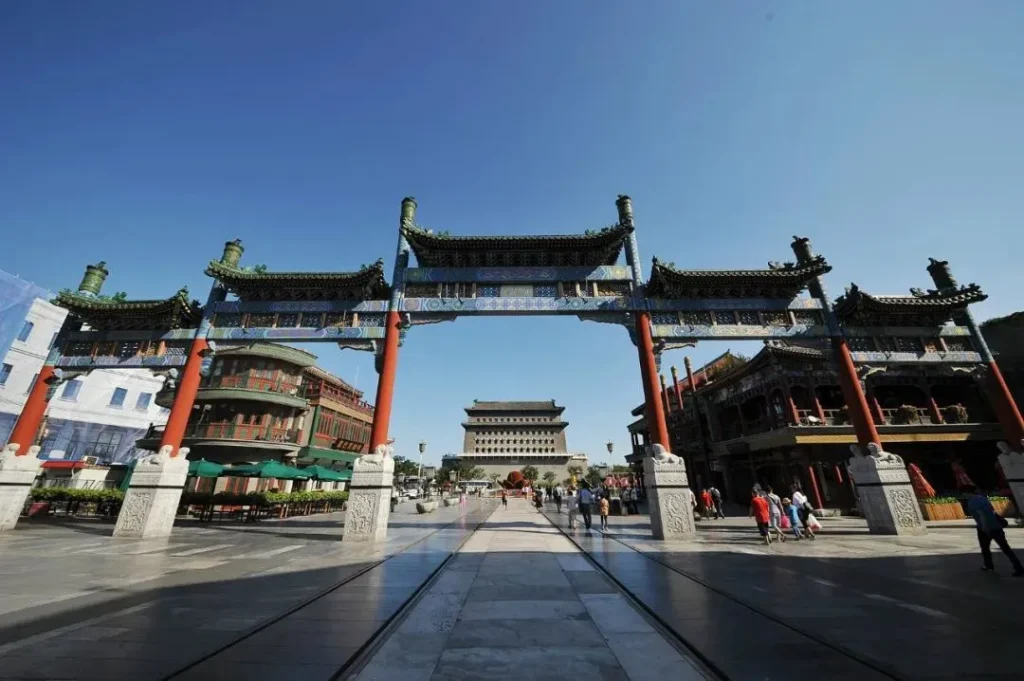
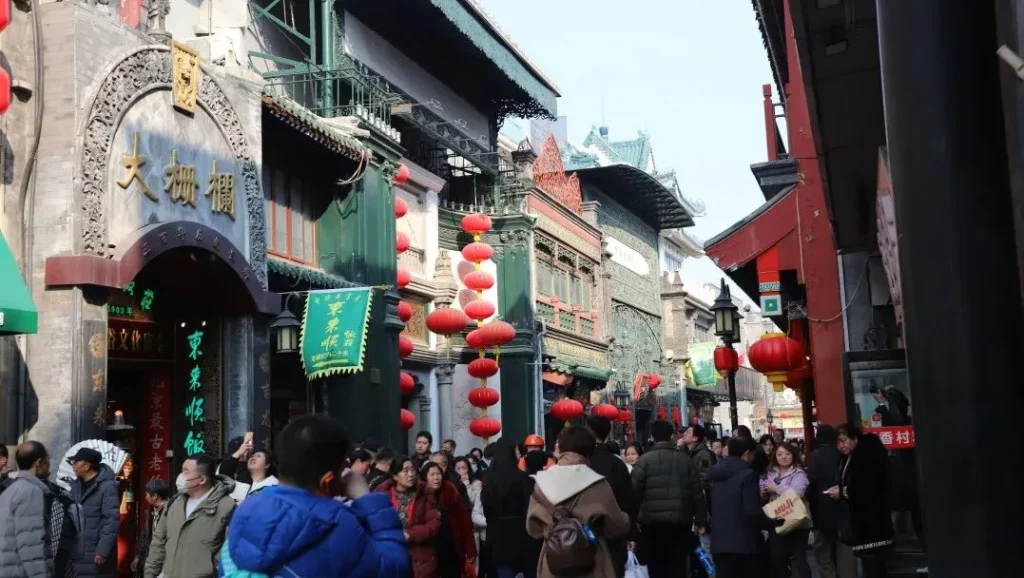
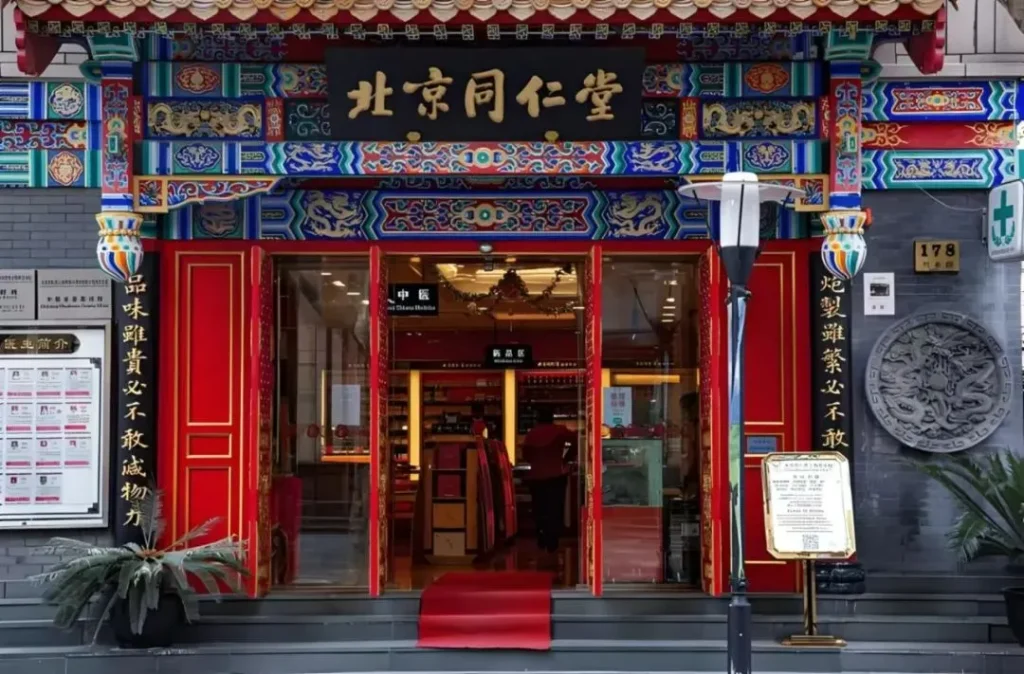
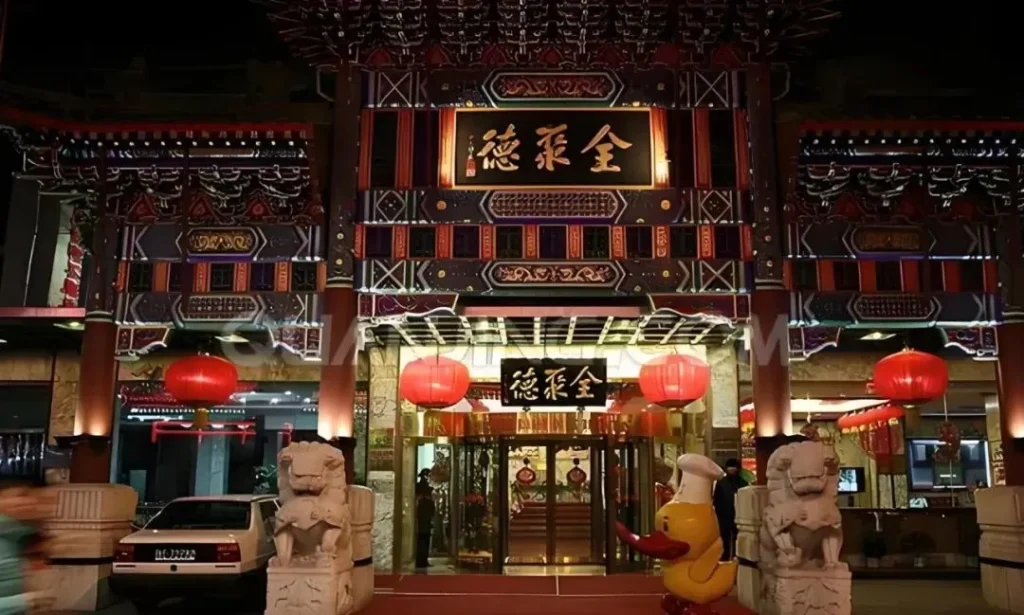
Since the Ming Dynasty, Qianmen Street has been the place to be for shopping and buzz in Beijing. Today, it’s a cool mix of old Beijing tradition and modern trends. You’ve got century-old legends like Quanjude (全聚德) for Peking Duck and Tongrentang (同仁堂) for traditional medicine, right alongside trendy spots like the PAGE ONE bookstore and hip Chinese brands. Hop on the retro “Dangdang Che” (铛铛车) tram at night, see the red lanterns glow, and you’ll feel the energy of the old “Heavenly Street” (天街). Grab some famous Du Yi Chu Shaomai (都一处烧麦) or Tianxingju Chaogan (天兴居炒肝), and definitely check out the food scene on Xianyu Kou Food Street (鲜鱼口美食街). If you’re around in November, the Qianmen Historical Culture Festival is a blast with traditional crafts and pop-up markets.
2. Yongdingmen Gate Tower (永定门城楼): The Grand Southern Starting Point
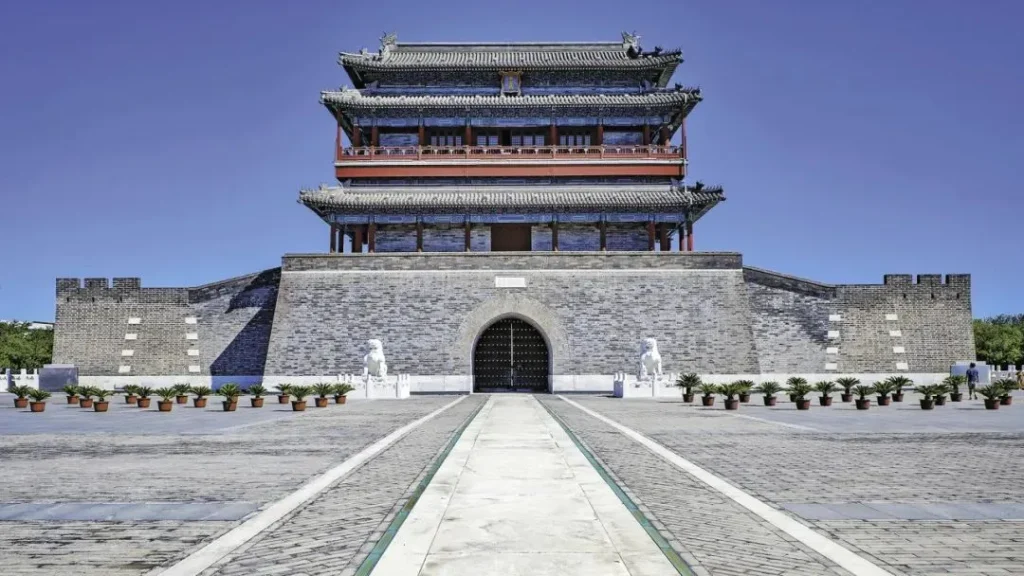
Built way back in 1553, Yongdingmen literally means “Gate of Everlasting Stability.” It was the main southern gate of Beijing’s outer city wall in ancient China. Though rebuilt in 2004, they used the original Ming Dynasty stone plaque and even some old bricks from the Jiajing era – talk about history! North of the tower, Yongdingmen Park features a restored 7.8 km Imperial Road, tracing the path emperors took for ceremonies at the Temple of Heaven. It’s gorgeous with cherry blossoms in spring and golden ginkgo trees in autumn. Climb the tower for awesome views looking north along the axis, check out the Postal Museum by the old moat, and just soak in the local vibe – people doing Tai Chi in the morning or stargazing at night.
3. Beijing Ancient Architecture Museum (北京古代建筑博物馆): A Masterclass in Wooden Wonders
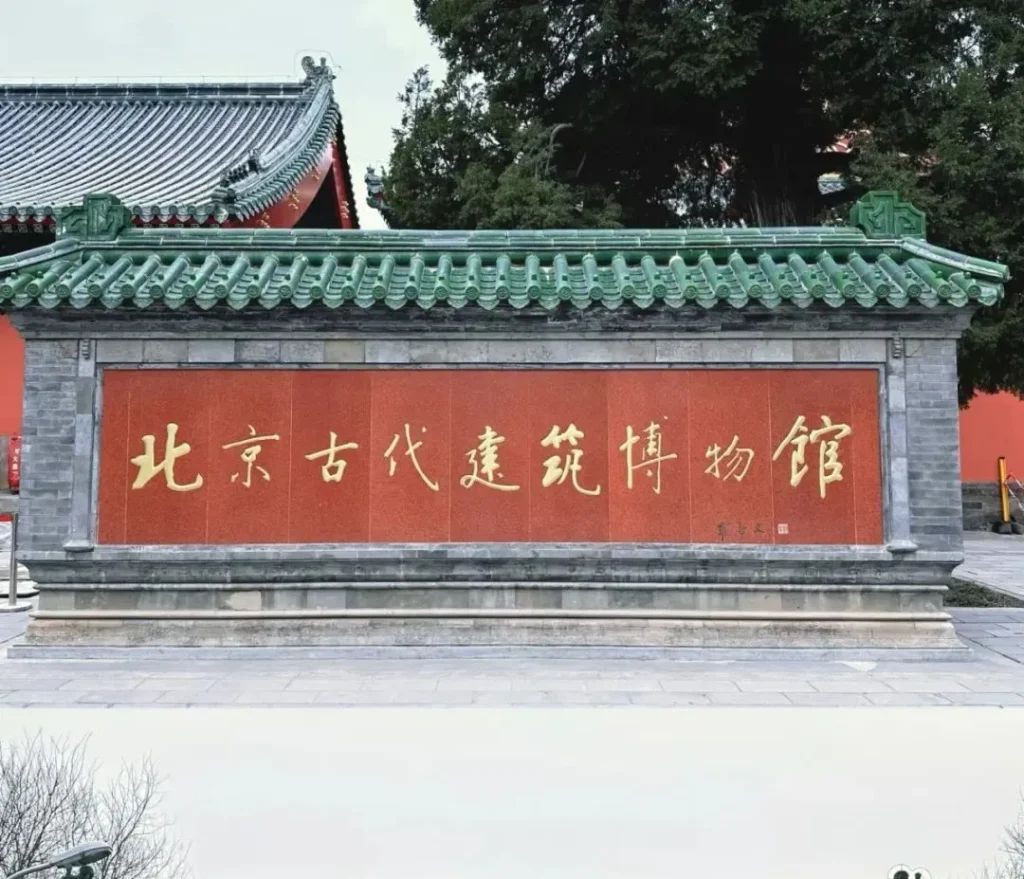
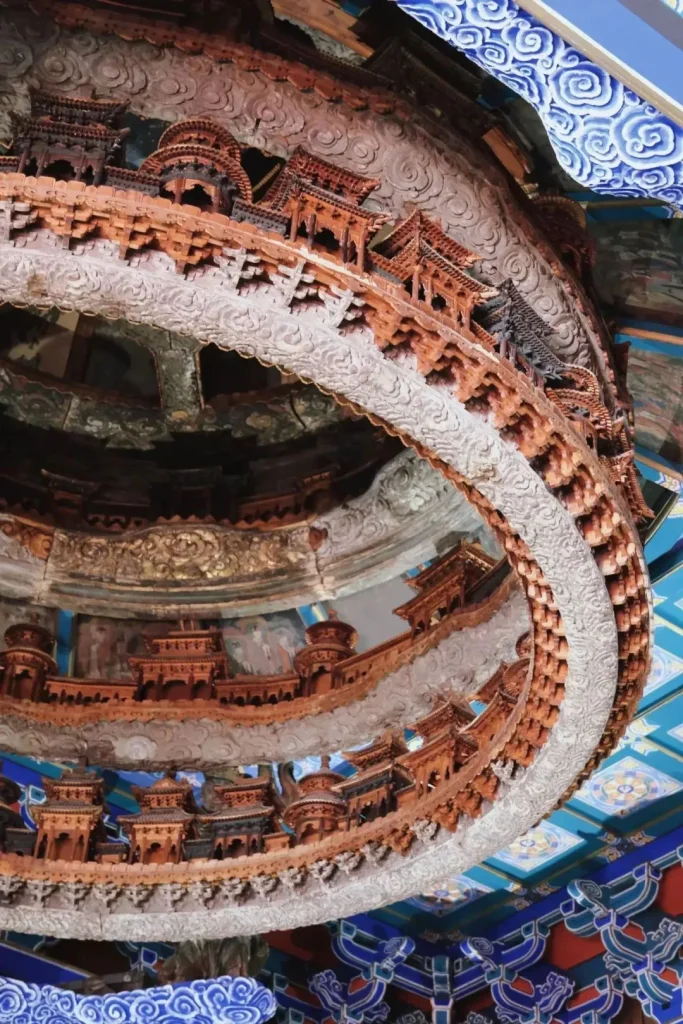
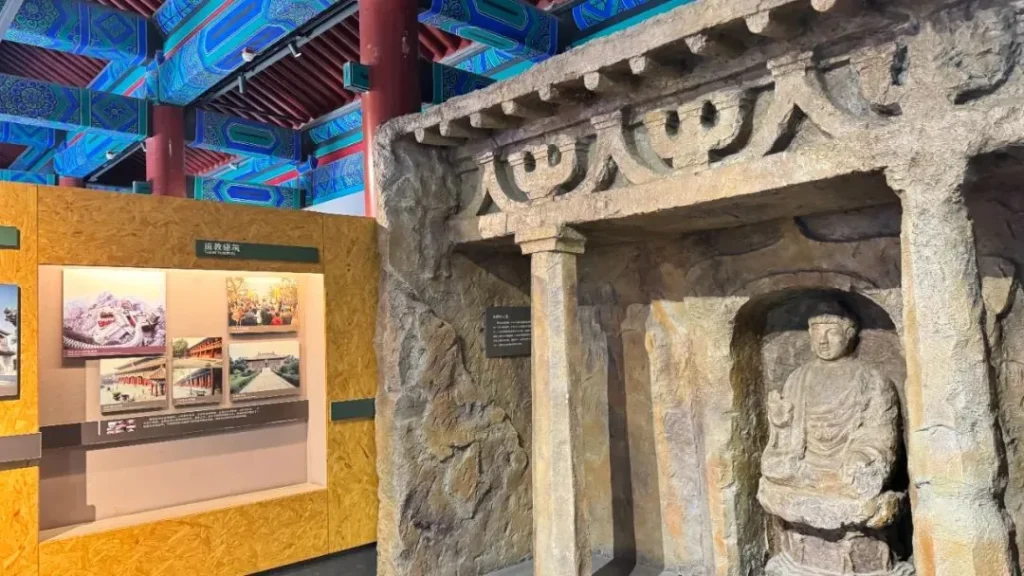
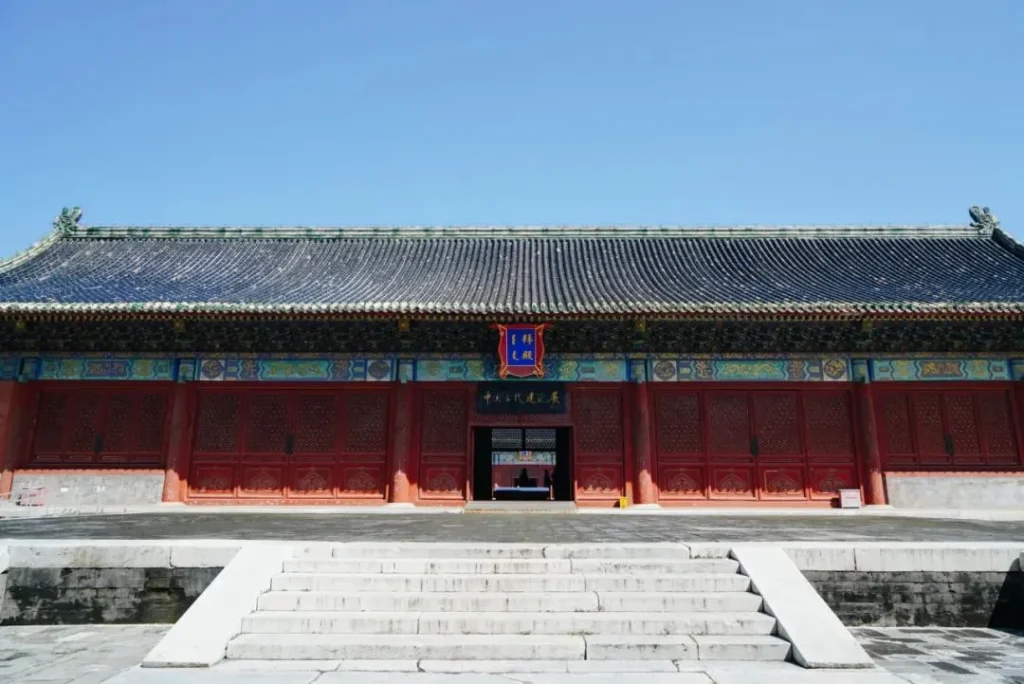
Tucked inside the former Temple of Agriculture (先农坛), this museum’s star is the jaw-dropping Longfu Temple Caisson Ceiling (隆福寺藻井). Imagine a six-layered wooden “heavenly palace” inlaid with 1,427 gold-leaf stars – it’s called “China’s most beautiful ceiling” for a reason! The museum showcases the evolution of Chinese architecture, from basic pit houses to the grandeur of palaces, and even recreates an old imperial farming ceremony. On weekends, you might catch a workshop on traditional architectural painting. In autumn, you can even get hands-on in the “One Acre and Three Fen Land” (一亩三分地) and harvest crops from the very fields Emperor Qianlong once plowed!
4. Jingshan Park (景山公园): The View from Above the Forbidden City
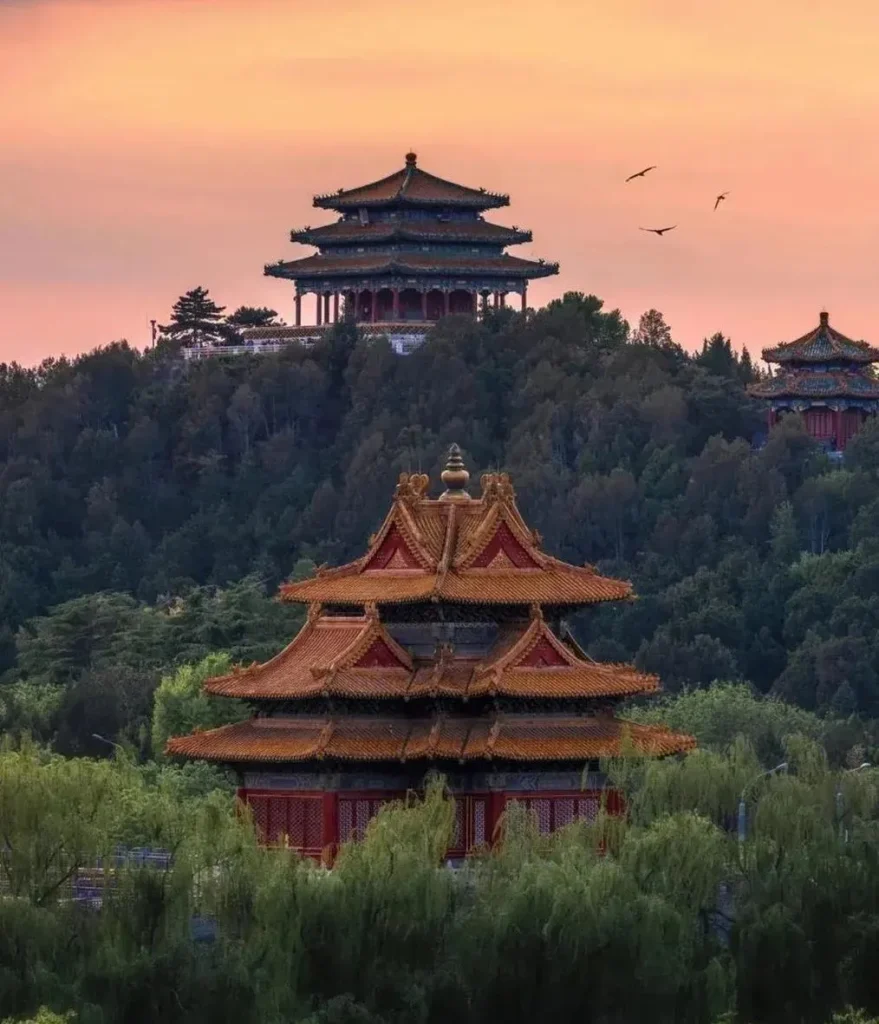
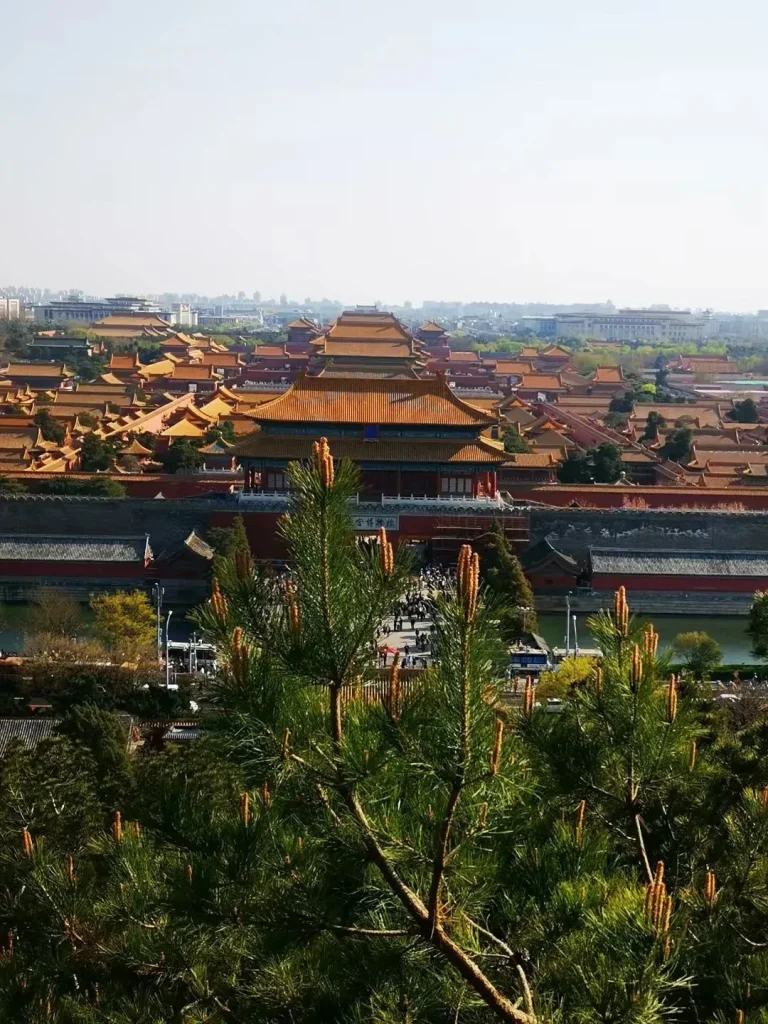
Jingshan Hill was actually built from leftover dirt dug out for moats and lakes back in the dynasty days, eventually becoming an imperial garden. The Wanchun Pavilion (万春亭) at the top is the highest point on the Central Axis, giving you killer 360-degree views over the golden roofs of the Forbidden City and the modern Beijing skyline. Spring brings a massive peony show with over 500 varieties, while autumn turns the park’s ginkgo paths into golden tunnels. Sunset is the time to head up Wanchun Pavilion for that iconic shot of the Forbidden City with the modern Zun Tower (中国尊) in the background. Don’t miss the (replanted) scholar tree where the last Ming emperor, Chongzhen, tragically ended his reign – a poignant piece of history.
5. Bell and Drum Towers (钟鼓楼): Echoes of Timekeeping
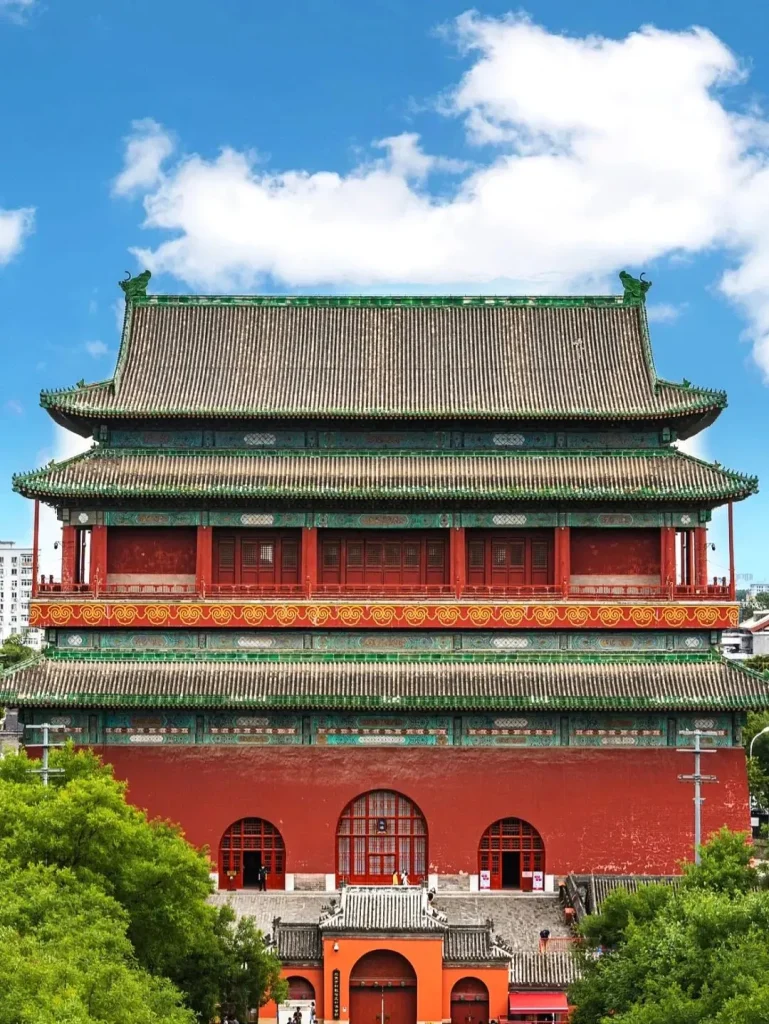
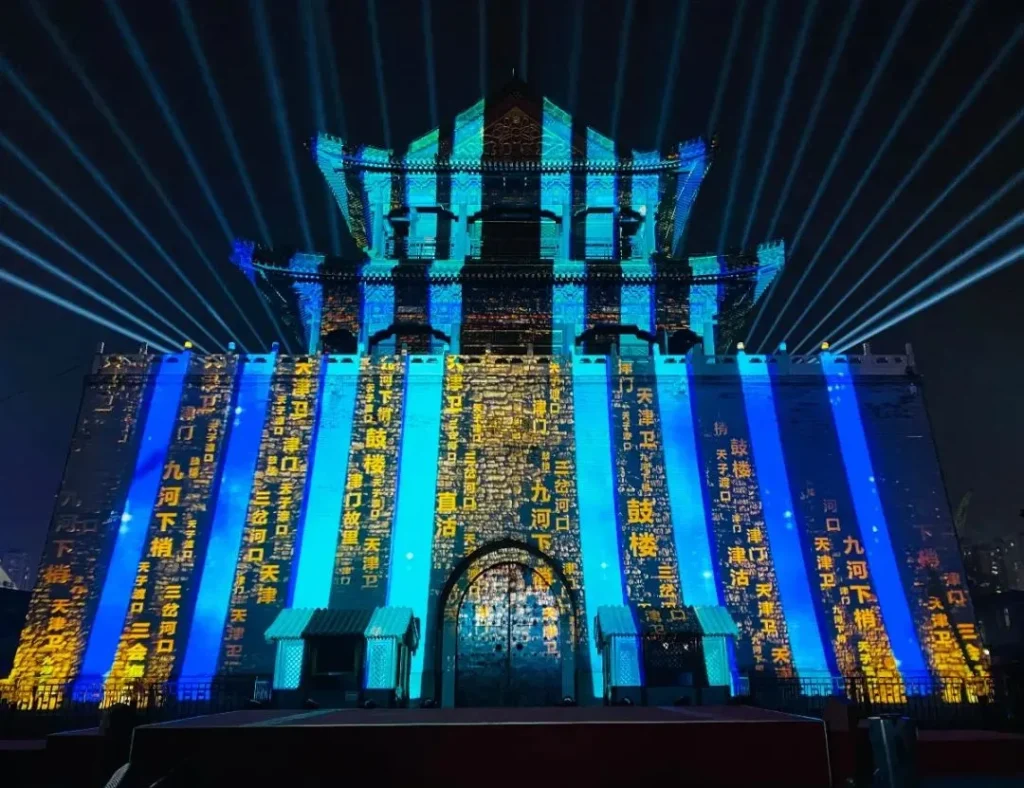
The Drum Tower stands 46.7 meters tall, the Bell Tower slightly higher at 47.9 meters. For nearly 700 years, these towers kept Beijing on schedule with the “morning bells and evening drums” – 108 strikes marking the time. Only one of the original 25 drums remains in the Drum Tower (a late Qing Dynasty relic), but they put on daily drumming performances with replicas (usually 10 AM, 2 PM, and 4 PM). Cool events like the “Central Axis Wonderful Night” (中轴奇妙夜) use VR to show how timekeeping worked back then. Weekends often see folks in Hanfu (a type of traditional Chinese clothing) strolling around the nearby hutong alleyways, adding to the atmosphere. At night, nearby markets sometimes have live folk music, and grabbing a coffee on a rooftop terrace overlooking the lights of Shichahai (什刹海) is pretty magical.
6. Hong’en Temple (宏恩观): An Old Taoist Temple’s Hip Makeover
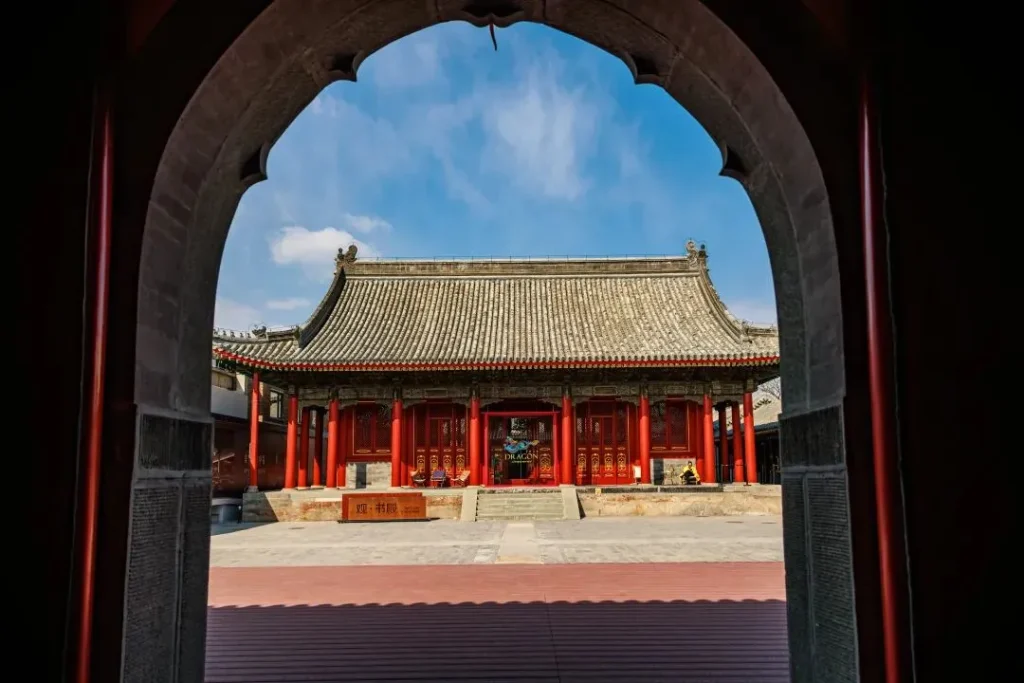
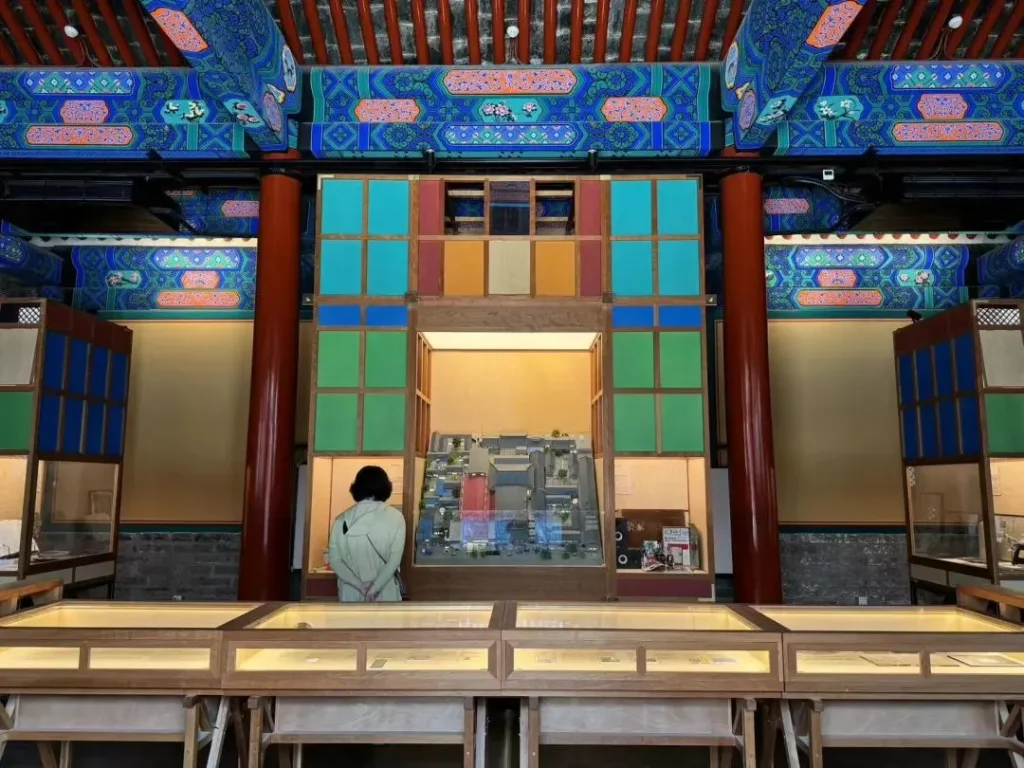
This Yuan Dynasty Taoist chinese temple has seen it all – it’s been a retirement home for eunuchs, a factory, even a vegetable market! Reopened in 2024 as the “Guan Zhong” (观中) cultural complex, it’s had a serious glow-up. The main hall is now a stylish bookstore, and the entrance hall features a digital art show projecting flowing light patterns based on traditional roof bracket designs (斗拱). You can send a funky “digital postcard” from the Central Axis-themed post office, grab a special “Yongdingmen Matcha Latte” at HALF COFFEE, and collect unique souvenir stamps.
Tour Tips & Practical Info
- One-Day Itinerary Idea: Start south at Yongdingmen Park (nice morning walk) -> Head to Qianmen Street for lunch and shopping -> Afternoon at the Beijing Ancient Architecture Museum -> Catch the sunset from Jingshan Park -> Experience the Bell and Drum Towers area and explore the surrounding hutongs at night -> Finish at Hong’en Temple for evening vibes.
- Getting Around: Subway Line 8 is your friend for the northern part of the axis (Shichahai station for Bell/Drum Towers, Qianmen station further south). Renting a shared bike is great for exploring the hutong alleyways.
- Tickets: Some spots charge entry. The Bell & Drum Towers combo ticket is around 30 RMB. Jingshan Park is usually just 2 RMB (maybe 10 RMB during the peony festival). Always best to check official sources beforehand. Combo tickets can save money.
- Best Time to Visit: Spring (April-May) for Jingshan’s peonies, and Autumn (October-November) for gorgeous ginkgo colours. The weather is usually pleasant then for exploring Beijing. Summer can get hot!
- Culture Tips: Feel free to sample snacks at Qianmen’s old shops, but be savvy about prices for bigger purchases. A wide-angle lens is great for the Forbidden City view from Jingshan. Check the drum performance times at the Drum Tower so you don’t miss out.
Beijing’s Central Axis is more than just a line – it’s a living story, a symphony of past and present. From the solemnity of Yongdingmen to the fresh energy of Hong’en Temple, every step connects you to Chinese history and the future. It’s a chance to not only see China’s incredible cultural heritage but also feel how this ancient city keeps evolving while holding onto its soul.
Related posts:
Exploring Beijing’s Traditional Culture: A Guide for Overseas Visitors
Beijing Zoo: Animals, Culture & Top Beijing Attraction!
Beijing Botanical Garden: Where Nature, Culture, and Science Meet! – A Top Beijing Attraction
Beijing Olympic Park: Olympic Glory & Urban Oasis – A Top Beijing Attraction
The Place & Sanlitun Taikoo Li: Beijing’s Dynamic Duo of Style!