
Destinations
This is your gateway to discovering China’s beauty! Whether it’s your first visit or a deeper exploration, we’ve got you covered.
Jiangsu Travel Guide
Jiangsu Province, a gem nestled on China’s eastern coast, is a place where water is the soul and culture is the lifeblood, painting a picture of Eastern charm that’s both lively and profound.
- 1. A Symphony of Watery Landscapes
- 2. Where Time Layers Up: A Cultural Journey
- 3. Blending Culture and Tourism: New Ways to Explore
- 4. Living in Harmony: Ecological Wisdom
- High-Speed Rail, Flights & Getting Around Jiangsu
- Iconic Local Cuisine & Must-Try Dishes
- Best Travel Seasons, Climate & What to Pack
- Practical Travel Tips for International Visitors
- Top Must-See Attractions & Highlights in Jiangsu
1. A Symphony of Watery Landscapes
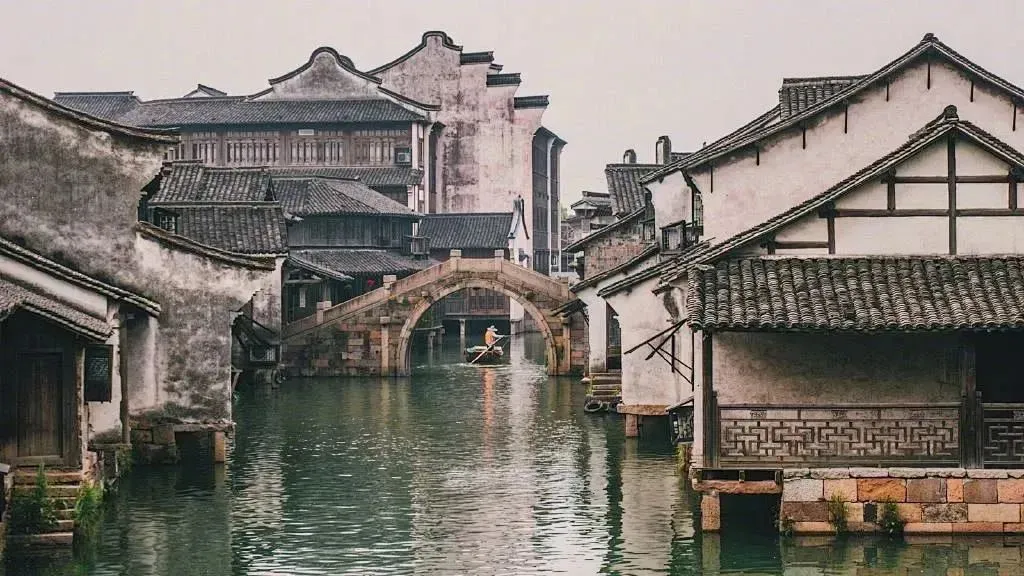
Jiangsu is unique in China for having it all: a major river (Yangtze), a grand canal (the Grand Canal), a large lake (Taihu), and the sea (Yellow Sea). The mighty Yangtze River, the ancient Grand Canal, the misty Taihu Lake, and the ecological wonders of the Yellow Sea wetlands all come together here. You can experience the idyllic countryside on Shiyezhou Island (世业洲) in the Yangtze River near Zhenjiang (镇江), listen to the echoes of history along the ancient Grand Canal in Yangzhou’s (扬州) Sanwan area (三湾), or venture into Yancheng’s (盐城) Yelu Dang (野鹿荡) wetland at dawn to share the morning with thousands of wild milu deer (麋鹿). Water hasn’t just shaped Jiangsu’s vast plains; it has also created unique sights like the “duotian” (垛田) fields in Xinghua (兴化), where you feel like you’re boating through a painting, and the Qin Lake (溱湖) wetlands, alive with reeds and fishermen’s songs.
2. Where Time Layers Up: A Cultural Journey
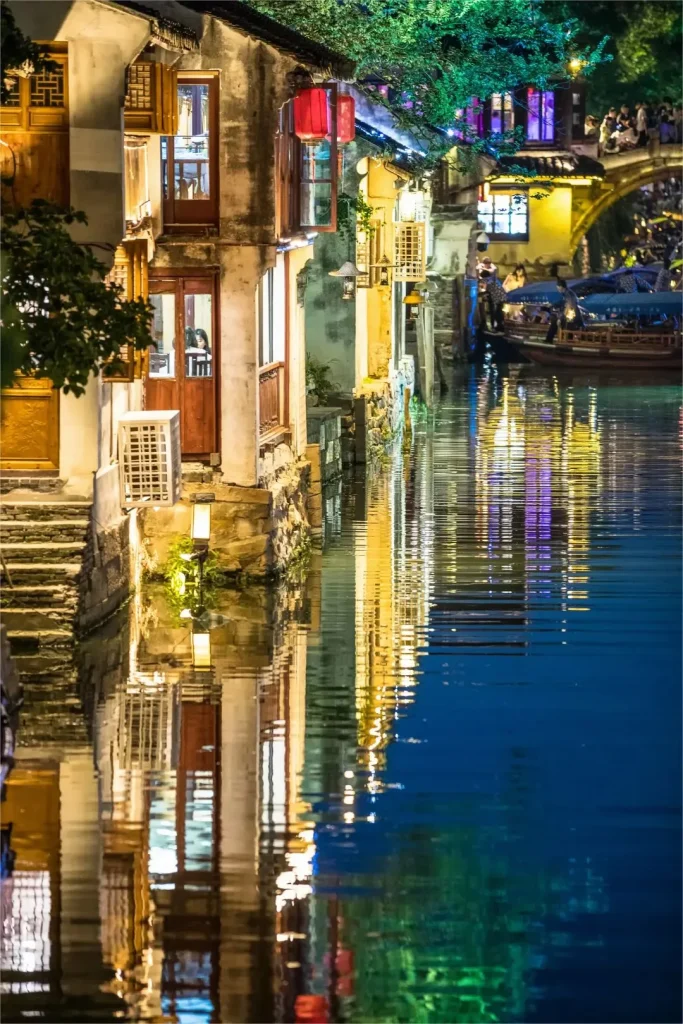
Millennia of civilization have left their mark here. In water towns like Zhouzhuang (周庄), the bluestone bridges and riverside homes carry on the gentle aesthetics of Jiangnan life (“living by the water”). Meanwhile, in Xuzhou’s (徐州) Hubushan (户部山) area, clusters of Chu-Han style architecture tell tales of its history as a major crossroads (“connecting five provinces”). Jiangsu is not only a masterclass in classical garden design, using intricate techniques to capture the essence of Eastern philosophy within small spaces, but also a playground for cultural innovation. Think Zen-inspired night tours at Nianhuawan (拈花湾) in Wuxi (无锡) or immersive Tang Dynasty experiences at Qitang City (启唐城) – history comes alive in light and shadow. Intangible heritage is vibrant here too: you can try your hand at the delicate art of Su embroidery (苏绣 – Sūxiù), feel the earthy rhythm of Yixing’s (宜兴) Zisha pottery (紫砂 – Zǐshā), or admire the shimmering beauty of Yangzhou lacquerware (扬州漆器 – Yángzhōu Qīqì).
3. Blending Culture and Tourism: New Ways to Explore

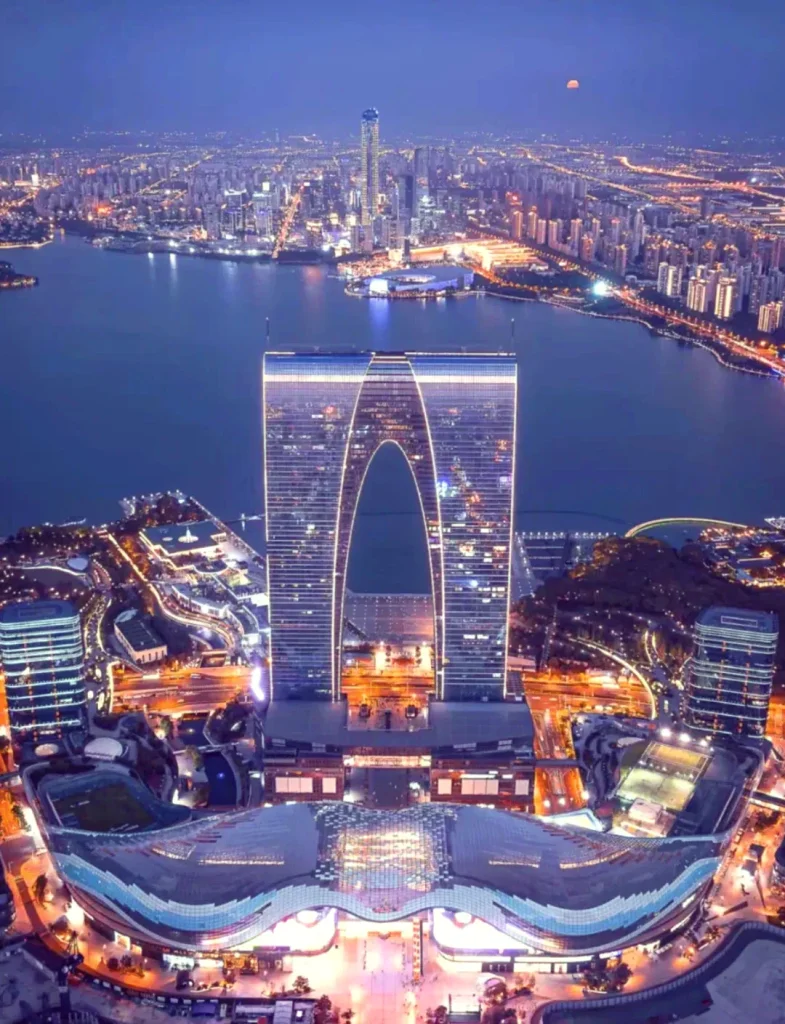
Jiangsu creatively mixes cultural elements into modern tourism. The Taihu Bay Music Festival (太湖湾音乐节) in Changzhou (常州) energizes young crowds with “culture + music.” The Suzhou Taihu National Tourism Resort Area (苏州太湖国家旅游度假区) develops air sports, creating a novel “low-altitude economy.” And the spectacular water screen show “Pengcheng Fenghua” (彭城风华) in Xuzhou uses technology to vividly recreate the historical epic of Su Shi leading the fight against floods. Jiangsu nights are equally captivating: the gentle sounds of oars and glowing lanterns at Nanjing’s (南京) Fuzimiao (夫子庙 – Confucius Temple area), the storytelling melodies of Pingtan (评弹) drifting along Suzhou’s (苏州) Pingjiang Road (平江路), the lively atmosphere of Yangzhou’s old teahouses (known locally for “Pi Bao Shui” – 皮包水 – literally “skin wrapping water,” referring to dumplings in soup enjoyed at teahouses) – together they create a cultural scene that buzzes around the clock.
4. Living in Harmony: Ecological Wisdom
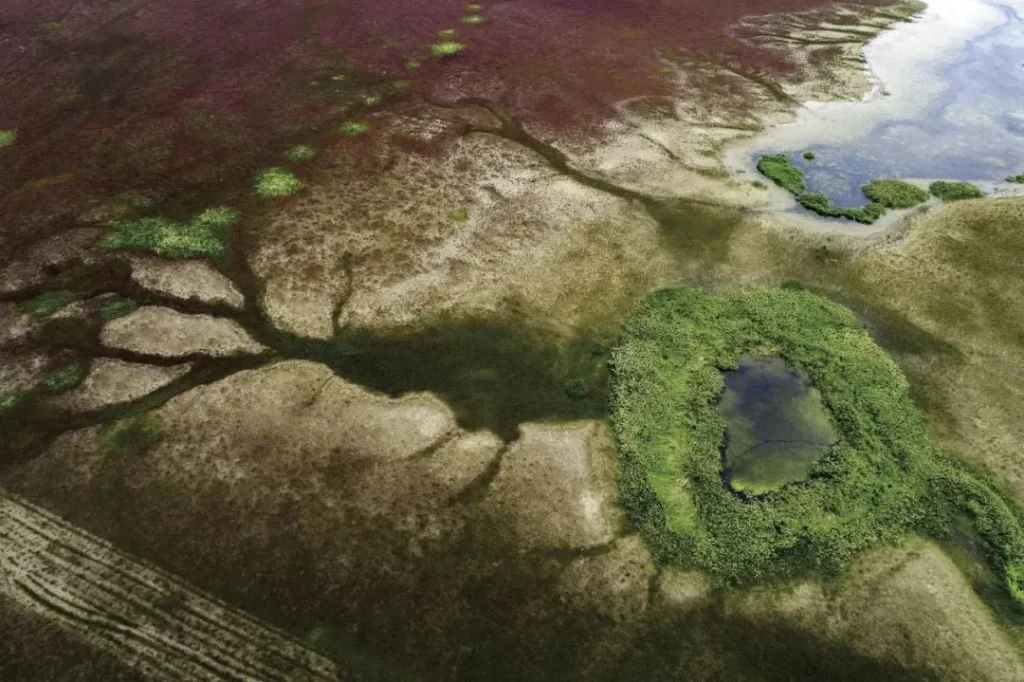
Jiangsu strikes a fine balance between economic growth and environmental protection. Ecological restoration along the Lianyungang (连云港) coast has brought back the blue seas and golden sands to the “City of Crystal.” The Tiaozini Wetlands (条子泥湿地) in Dongtai (东台) have become a crucial stopover for migratory birds globally. And the success story of the Dafeng Milu Deer National Nature Reserve (大丰麋鹿国家级自然保护区) is now recognized as a World Natural Heritage Site. This focus on ecology extends to tourism services: a province-wide smart tourism system monitors the ecological capacity of key scenic spots in real-time, while 5G drones patrol to ensure both visitor safety and harmony with nature.
This land uses water as its ink and time as its paper. It preserves the traditional textures of blue calico cloth (蓝印花布 – Lányìnhuābù) and boatwomen rowing sculling oars (船娘摇橹 – Chuánniáng Yáolǔ), while also writing future verses about digital art museums and metaverse explorations. Whether you’re seeking the spiritual roots of Eastern civilization or exploring the innovative frontiers of cultural tourism, Jiangsu always offers a vibrant heritage of experiences.
Jiangsu Fast Facts & Travel Essentials
Top Must-See Attractions & Highlights in Jiangsu
Humble Administrator’s Garden & Suzhou Canals (拙政园)
The finest classical Chinese garden in existence, featuring lotus ponds, pavilions, and bridges.
Sun Yat-sen Mausoleum in Nanjing (中山陵)
A majestic blue-tiled memorial surrounded by deep green pine forests on the slopes of Purple Mountain.
Zhouzhuang Ancient Town (周庄)
Known as China’s premier water town with Twin Bridges and traditional Ming-Qing canal residences.
Tongli Ancient Town (同里)
A tranquil canal town with preserved stone bridges, quiet teahouses, and UNESCO Tuisi Garden.
Plan Your Trip to Jiangsu: Essential Inbound Guides
- China 144-Hour Visa-Free Transit: Eligible Countries, Ports & Entry Rules
- How to Book China High-Speed Trains: 12306 English App Guide
- How to Use Alipay & WeChat Pay in China: A Foreigner’s Cashless Guide
- Is China Safe to Visit in 2026? Solo Travel, Tipping Culture & Etiquette
- Best eSIM & Internet in China: How to Stay Connected Without VPN Hassles