
After logging twenty thousand steps along the stone ramparts of the Great Wall or exploring the sprawling alleyways of Beijing’s hutongs, nothing restores tired legs faster than traditional Chinese bodywork. Massage and wellness culture in China is not an occasional luxury reserved for expensive resorts; it is a routine, deeply embedded part of daily urban life enjoyed by college students, office workers, and retirees alike.
From medical-grade blind massage clinics offering rigorous deep-tissue acupressure to luxurious all-inclusive 24-hour bathhouse spas with free fruit buffets and mineral soaking pools, understanding local etiquette, service categories, and essential communication phrases guarantees an authentic and revitalizing experience.
Quick Takeaways: Chinese Massage & Spa Etiquette
1. Understanding the Three Core Types of Chinese Bodywork
Bodywork establishments in Chinese cities fall into three primary categories, each offering distinct treatment styles and atmospheres:
1. Traditional Chinese Tuina (推拿, Tuīná): Rooted in Traditional Chinese Medicine (TCM), Tuina is a therapeutic acupressure discipline designed to clear meridian blockages, unknot tight tendons, and realign joints. Practitioners use rolling, pressing, kneading, and gentle traction techniques along acupuncture points. Unlike Swedish oil massage, Tuina is performed dry over loose cotton clothing or beneath a clean sheet. Expect firm, targeted pressure aimed at structural relief rather than gentle pampering.
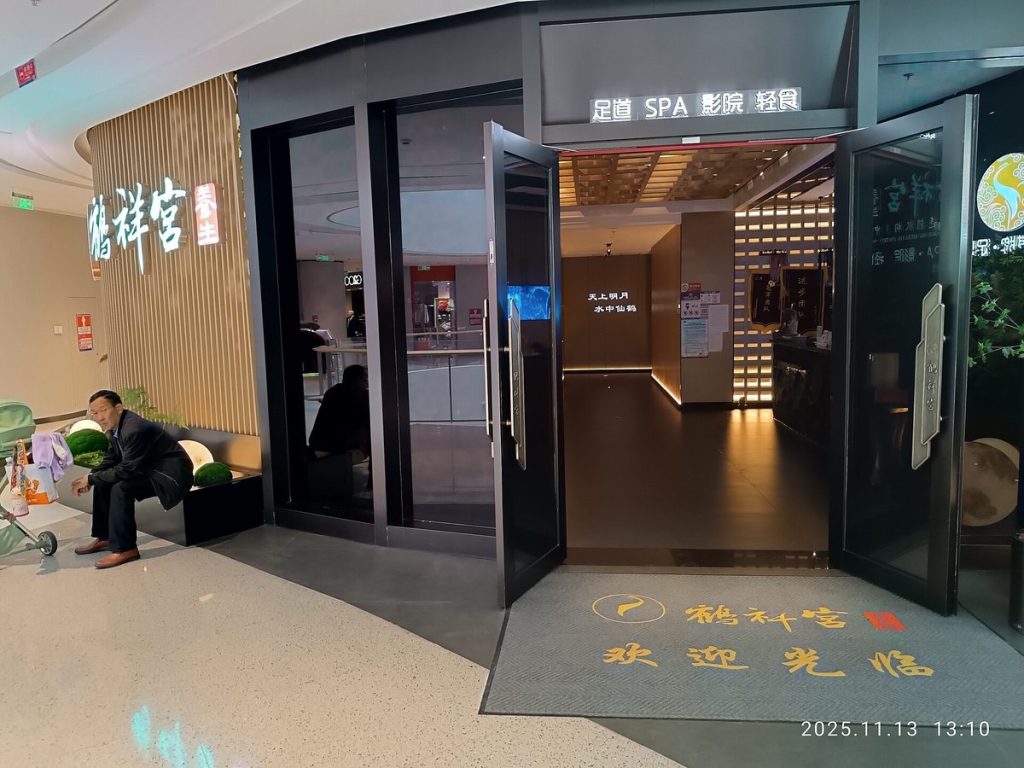
2. Foot Reflexology Salons (足道 / 足疗, Zúdào / Zúliáo): Dedicated reflexology parlors feature darkened, soundproofed private rooms with oversized plush leather reclining chairs, wide-screen entertainment monitors, and complimentary herbal tea and snacks. Treatments focus on the lower legs and feet, where hundreds of nerve endings and reflex zones correspond to internal organs according to TCM philosophy.
3. Full-Service Bathhouse Spas (洗浴中心, Xǐyù Zhōngxīn): Prominent across northern China (especially Beijing, Shenyang, and Harbin), these multi-story wellness complexes are mini-resorts. For a modest admission ticket, guests enjoy gender-segregated hot mineral soaking pools, dry and wet saunas, full-body exfoliating scrubs, relaxation lounge floors, and movie theaters.
2. The Blind Massage Clinic Experience (盲人按摩)
When walking down commercial streets in any Chinese city, you will frequently see illuminated green or blue signs reading “Blind Medical Massage” (盲人医疗按摩, Mángrén Yīliáo Ànmó). For budget-conscious travelers seeking genuine relief for chronic back stiffness or neck strain, these clinics are an unmissable insider resource.
Established as part of a national vocational initiative supporting visually impaired citizens, practitioners undergo rigorous multi-year medical training in skeletal anatomy, neuromuscular pathways, and clinical acupressure. Clinics are typically clinical, spotless, and no-frills, featuring rows of private treatment cubicles with standard padded massage tables.
A full 60-minute whole-body Tuina session typically costs between 60 and 100 RMB ($8.50–$14.00 USD), while a targeted 45-minute neck-and-shoulder session costs around 50 RMB. Therapists possess extraordinary tactile sensitivity, pinpointing muscle knots and tension points within seconds. Tipping is never accepted; simply pay at the front reception counter on your way out.
3. Step-by-Step Foot Reflexology Protocol
A typical 70- to 90-minute foot reflexology appointment follows an established sequence:
Step 1: Room Assignment and Pajamas. Upon arrival, the host escorts you to a private or twin lounge room. You are given a clean set of loose-fitting cotton salon pajamas (shorts and short-sleeved top) to change into in private.
Step 2: Hot Herbal Foot Soak. The therapist (Jìshī, 技师) enters carrying a deep cedar wooden bucket filled with steaming hot water infused with your choice of traditional herbs—such as fresh crushed ginger (Shēngjiāng, 生姜) for warming energy or Chinese mugwort (Àicǎo, 艾草) for stimulating blood circulation.
Step 3: Upper Body Massage While Soaking. While your feet soak for 15 to 20 minutes to soften skin and relax peripheral blood vessels, the therapist performs an invigorating seated massage on your head, neck, shoulders, and upper back.
Step 4: Foot and Calf Acupressure. The therapist lifts one foot from the water, dries it thoroughly, wraps the other in a warm towel, and applies lotion. Using their knuckles, thumb pads, and occasionally a small wooden reflexology baton, they systematically stimulate reflex points across the sole, heel, toes, and Achilles tendon, moving upward to knead tight calf muscles.
Step 5: Optional Pedicure Care (修脚, Xiūjiǎo). For an additional 20 to 40 RMB, a specialized master technician will use precision sterile straight razors to expertly remove calluses, soften rough heels, and trim toenails.
4. Essential Phrases for Managing Pressure
Chinese therapists believe in therapeutic stimulation, which occasionally means working through intense pressure points (Suāntòng, 酸痛—a pleasant “sour ache” indicating release). If the pressure exceeds your comfort threshold, use these simple phrases:
• “Lighter, please”: Qīng yīdiǎn (轻一点) – Use this whenever pressure feels sharp or painful.
• “A little firmer”: Zhòng yīdiǎn (重一点) – If you prefer strong, deep-tissue pressure.
• “Too painful!”: Tài tòng le! (太痛了!) – The therapist will immediately ease off and adjust their grip.
• “It feels very comfortable”: Hěn shūfu (很舒服) – A polite compliment therapists always appreciate.
5. 24-Hour Northern Bathhouses: Mineral Pools and Body Scrubs
In northern and northeastern cities, visiting a mega-bathhouse (Xǐyù Zhōngxīn) is an extraordinary cultural phenomenon. Admission tickets (typically 120 to 260 RMB / $17–$36 USD) grant 18 to 24 hours of facility access.
Upon entry, you remove outdoor shoes at the reception desk, receive an electronic RFID wristband key, and enter the gender-segregated wet zone. Here, guests shower thoroughly before soaking in hot, warm, and cold mineral pools, steam rooms, and Finnish saunas.
The signature experience in northern bathhouses is the Traditional Body Scrub (Cuòzǎo, 搓澡). You lie on a waterproof massage table while an experienced bathhouse attendant wearing textured exfoliating mitts methodically scrubs away dead skin cells from head to toe, followed by a warm milk or honey skin conditioning rinse. You emerge with baby-soft skin.
After bathing, you slip into matching loungewear provided by the bathhouse and take the elevator up to communal relaxation floors. Here, guests enjoy free seasonal fruit bars (fresh cherries, mangoes, watermelon), iced beverages, tatami tea rooms, arcade lounges, and tranquil darkened sleeping halls with personal reading lamps. It is one of the most relaxing, culturally immersive ways to spend an evening in northern China.