
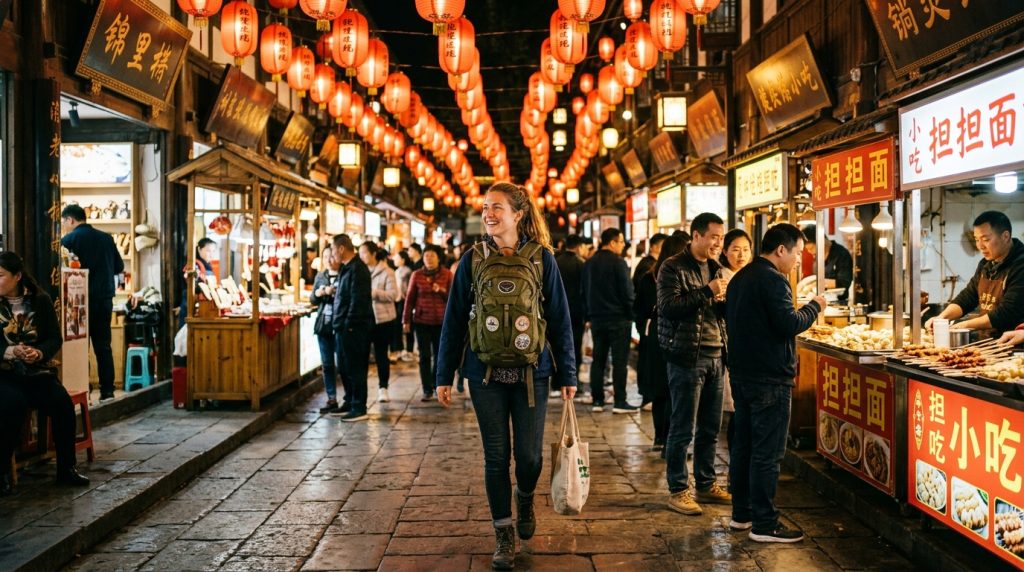
For international travelers planning their first trip to China in 2026, questions surrounding personal safety, local customs, tap water, and tipping are among the most frequently asked on travel forums like Reddit and TripAdvisor. With dramatic headlines often contrasting with real-world traveler experiences, understanding the practical day-to-day realities before boarding your flight will ensure a confident, stress-free journey.
The short answer: China is statistically one of the safest travel destinations in the world, with exceptionally low rates of violent crime, reliable late-night public transportation, and welcoming locals. However, navigating daily life involves specific cultural nuances—from the complete absence of a tipping culture to essential tap water guidelines. This comprehensive 2026 travel guide breaks down everything you need to know.
Quick Facts: Safety & Etiquette in China (2026)
1. Personal Safety & Solo Female Travel in China
China consistently ranks among the safest countries globally for independent travelers. Severe violent crime, street muggings, and gun violence are virtually non-existent due to strict nationwide law enforcement, ubiquitous public lighting, and comprehensive transit security.
Nighttime Urban Safety
Major cities like Beijing, Shanghai, Guangzhou, Shenzhen, Xi’an, and Chengdu remain bustling, well-lit, and populated late into the night. Solo travelers can comfortably walk through historic hutongs, riverside promenades, and pedestrian night markets past midnight without fear.
Low Petty Theft
Because China operates almost entirely on cashless mobile QR codes (Alipay & WeChat Pay), physical pickpocketing has dropped dramatically compared to major European tourist capitals. Standard common sense in crowded markets remains prudent.
2. The Tipping Culture in China: Why You Should NOT Tip
Unlike in North America where tipping is expected, tipping is not part of Chinese culture and is strictly unnecessary across 99% of travel scenarios.
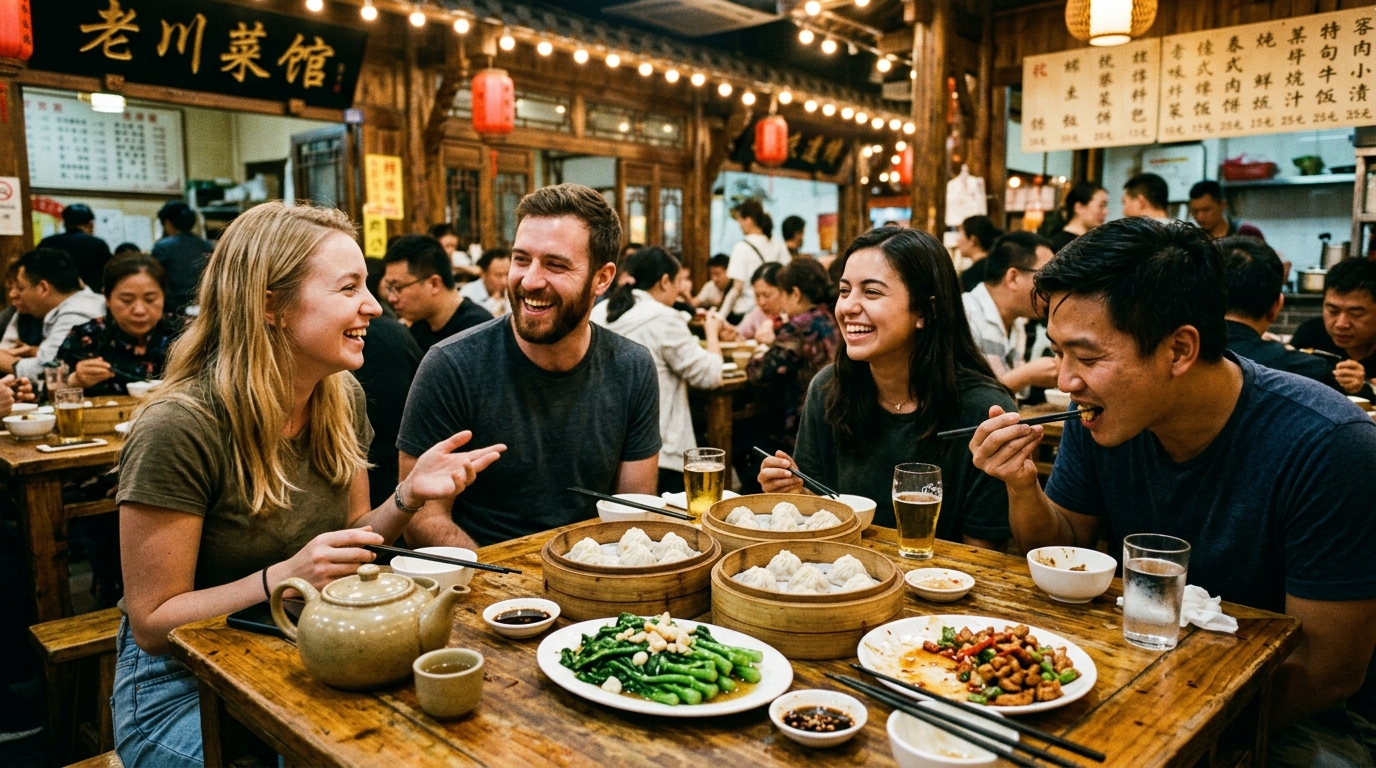
- Restaurants & Cafes: The price listed on the menu is the exact final price you pay. Leaving extra cash on the table will often result in the server chasing you down the street to return your “forgotten money.”
- Taxis & Ride-Hailing (DiDi): Metered taxis and DiDi drivers charge strictly according to the digital meter. You do not need to round up fares or tip drivers.
- Hotels & Spas: Bellhops and spa staff do not expect gratuities. (Only in ultra-luxury Western hotel chains might a 10–15% service charge be automatically included in the room folio).
- Private Tour Guides: The only rare exception is organized private multi-day tour guides and drivers, where a modest discretionary tip (50–100 RMB/day per group) is appreciated but never mandatory.
3. Drinking Water & Health Guidelines
One of the most essential practical health rules for visiting mainland China concerns drinking water:
- Do NOT Drink Raw Tap Water: Municipal tap water in China is treated at filtration plants, but older plumbing and distribution pipes mean it is not certified for direct consumption from the faucet.
- Boiled Water is Safe: Every hotel room in China provides an electric kettle (电热水壶). Boiling tap water for 1–2 minutes makes it completely safe for making tea or coffee.
- Bottled Mineral Water: Bottled water is ubiquitous and very inexpensive (typically 2–3 RMB, or approx. $0.35–$0.45 USD per bottle) at every convenience store (FamilyMart, 7-Eleven, Lawson) and street kiosk. Reputable brands include Nongfu Spring (农夫山泉), C’estbon (怡宝), and Ganten (百岁山).
4. Common Scams to Avoid & How to Stay Safe
While street crime is low, international tourists around major sightseeing landmarks (such as Tiananmen Square in Beijing, Nanjing Road in Shanghai, or the Muslim Quarter in Xi’an) should be mindful of two classic tourist traps:
Related Guide: Check our in-depth practical advice on is traveling in China safe: essential safety tips and facts.
- The “Tea House” / “English Student” Scam: Friendly, well-dressed young locals approach you asking to take their photo, then invite you to a nearby traditional tea house or art exhibition. At the end, you are presented with an exorbitant bill (thousands of RMB). Rule: Politely decline invitations to follow strangers into second-floor private venues.
- Unlicensed Taxis (Black Cabs / 黑车): Unofficial drivers at airports and railway stations approaching you offering rides. Rule: Always use the official taxi queue or book through the English DiDi mini-program inside Alipay.
Related China Travel Survival Guides
For pharmacy navigation, translation cards, and emergency hospital care, consult our comprehensive guide on Medical Care and Buying Medicine in China for Foreigners.