

Destinations
This is your gateway to discovering China’s beauty! Whether it’s your first visit or a deeper exploration, we’ve got you covered.
Xinjiang
Xinjiang Uyghur Autonomous Region, a vast land in Northwest China brimming with unique exotic flair, offers much more than just stunning landscapes. Its real allure lies in the deep fusion of culture and nature. It’s a melting pot of diverse ethnic cultures and an innovative hub blending traditional and modern travel experiences, presenting captivating attractions for global visitors.

1. A Harmonious Symphony of Nature and Culture


Spanning 1.66 million square kilometers, Xinjiang boasts an incredible variety of landscapes – glaciers, deserts, oases, grasslands – covering almost all types of tourism resources found globally. It features a unique geography often described as “three mountains flanking two basins.” But Xinjiang offers more than just visual awe; it weaves its natural wonders together with millennia of Silk Road civilization into immersive experiences. You can try your hand at making traditional Uyghur musical instruments in the ancient city of Kashgar (喀什古城), learn about essential oil extraction amidst the lavender fields of Yili (伊犁), or venture into the Taklamakan Desert (塔克拉玛干沙漠) to witness the resilient spirit of the Populus euphratica trees (胡杨 – Húyáng), known for “living a thousand years, standing a thousand years after death, and remaining a thousand years after falling.” The 46 ethnic groups living here have created invaluable intangible cultural heritage like the Twelve Muqam (十二木卡姆) art form and Aken Aites (阿肯弹唱 – Ākěn Tánchàng) ballad singing, which are finding new life through modern cultural tourism projects.
2. Beyond Traditional Travel Experiences




As a birthplace of special interest tourism in China, Xinjiang pioneers multi-dimensional “land, water, and air” adventures. You can drive an off-road vehicle across the Taklamakan, the world’s second-largest shifting sand desert, feeling its vastness; take a helicopter ride for a bird’s-eye view of the majestic Tianshan (天山) snow line; or embark on an epic trek along the classic Wusun Ancient Trail (乌孙古道). Winter tourism here breaks seasonal barriers, turning ice and snow into a “hot economy.” Professional ski resorts blend seamlessly with folk activities like traditional winter fishing in ancient towns and thrilling snowfield horse races, making Xinjiang a year-round destination. With its comprehensive tourism strategy, new infrastructure like RV campsites along loop routes and low-altitude flight bases perfectly balances adventure with comfort.
3. A Living Stage for Cultural Dialogue
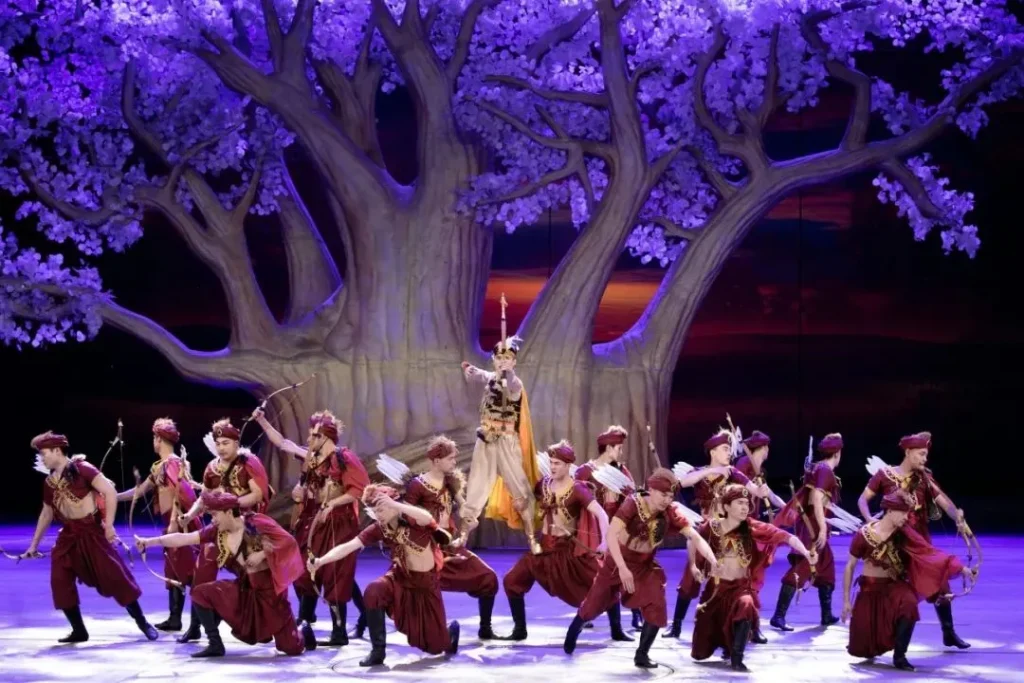
As the core area of the ancient Silk Road, Xinjiang transforms its rich history into tangible contemporary narratives. At the Jiaohe Ruins (交河故城), Augmented Reality (AR) technology makes the thousand-year-old site “speak.” The Hetian (和田) jade carving markets and intangible heritage bazaars become lively scenes of cross-cultural interaction. The grand live-action show “A Thousand Returns to the Western Regions” (《千回西域》) retells the Silk Road epic using modern artistic language. Unique “Tourism+” models combine sporting events (like the Taklimakan Rally – 环塔拉力赛), culinary culture (feasts featuring Central Asian fusion flavors), and cross-border tourism (like exploring routes through China, Kazakhstan, and Kyrgyzstan), creating new platforms for mutual learning between civilizations.
This land is redefining travel with astonishing creativity – you’re no longer just an observer of scenery, but an active participant in a symphony of diverse cultures. As the Belt and Road Initiative deepens, Xinjiang’s position as a crossroads of Eurasia is increasingly turning it into a super-hub for global travelers seeking to explore cultural diversity.
Recommended Attractions and Activities:
I. Natural Wonders
- Kanas Lake: Alpine forest lake, view Camel Neck Bay, Color-changing Lake. Golden forests in autumn, blue ice in winter.
- Tianchi Lake (Heavenly Lake) of Tianshan: World Natural Heritage site, alpine lake and spruce forests. Summer resort, autumn foliage viewing.
- Sayram Lake: Xinjiang’s highest altitude lake, surrounded by flowers in summer, crystal blue ice in winter. Naadam Festival in July-August.
- Bayanbulak Grassland: Alpine wetland, swan habitat, famous for the “Nine Turns and Eighteen Bends” sunset.
- Wucaitan (Rainbow Beach): Contrasting Yardang landform and oasis, rocks display vibrant colors at sunset.
II. Cultural Heritage
- Kashgar Old City: Representative Silk Road ancient city, maze-like alleys, experience Uyghur handicrafts, night market food.
- Subashi Temple Ruins: Largest Buddhist ruins in Xinjiang, representative of ancient Kucha culture.
- Kizilgaha Beacon Tower: Han Dynasty military ruins, witnessing Silk Road history.
- Aksu Old Street: Fusion of southern and northern Xinjiang architectural styles, experience cultural night markets, Kyrgyz embroidery.
III. Unique Experiences
- Tianshan Tomur Scenic Area: Summer retreat in Ta Cun (village), Grand Canyon exploration, grassland camping, experience Kyrgyz folk customs.
- Dolan Tribe: Set against Populus euphratica forests, experience Dolan songs and dances, wood carving, peasant painting.
- Hotan Intangible Heritage & Food: Experience Atlas silk, mulberry paper making, taste roasted pigeon, yogurt rice dumplings.
- Ice & Snow Tourism: Skiing in places like Altay, Koktokay, enjoy rime scenery.