
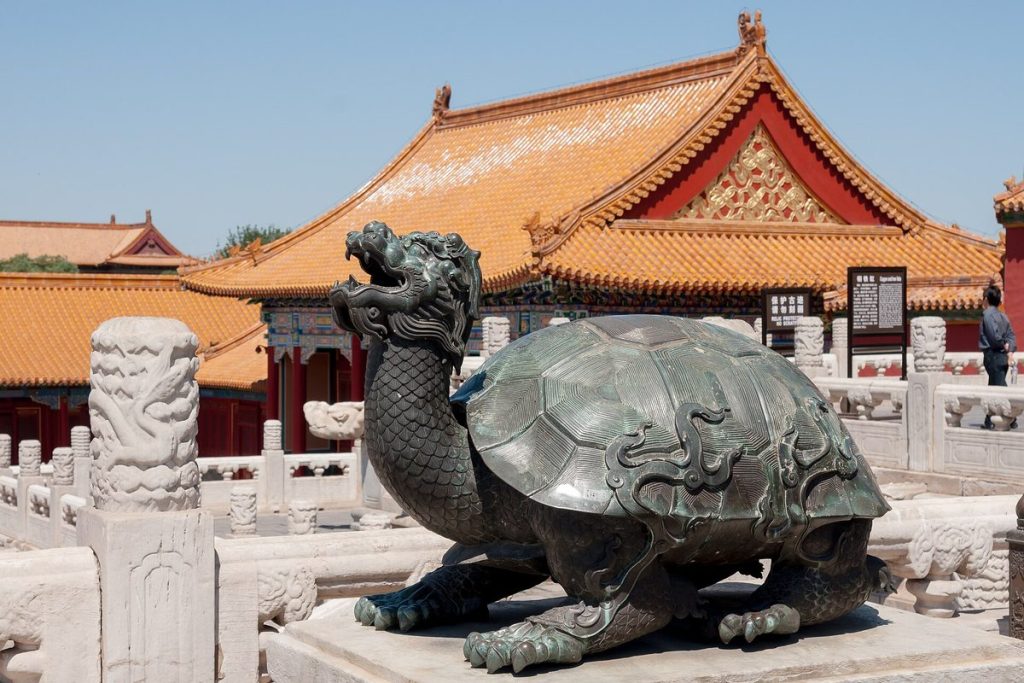
For most travelers arriving in Beijing, visiting the Forbidden City (Palace Museum, 故宫博物院) and the Great Wall of China (万里长城) represents the supreme highlight of their journey. Yet without advance preparation, these two UNESCO World Heritage landmarks can quickly turn into stressful ordeals. Strict daily ticket caps, multi-layered security checkpoints, confusing reservation apps, and competing wall sections can overwhelm first-time visitors.
Navigating these imperial wonders without stress is entirely achievable when you understand the exact logistics. This operational guide provides field-tested strategies for securing Forbidden City tickets the minute they go on sale, bypassing Tiananmen checkpoint bottlenecks, choosing between Great Wall sections, and riding the famous toboggan down from Mutianyu.
Key Rules: Forbidden City & Great Wall at a Glance
1. How to Secure Forbidden City Tickets (The 8:00 PM Rule)
The Palace Museum strictly enforces a daily visitor quota of 40,000 people. On-site ticket windows were eliminated years ago; every admission ticket must be reserved in advance through China’s real-name identity system.
Follow this exact step-by-step booking strategy:
• The Release Window: Tickets become available at 20:00 (8:00 PM) Beijing Time, exactly seven calendar days prior to your intended date of visit. For example, to visit on a Saturday morning, you must be logged into the booking portal on the preceding Saturday evening at 19:58 PM.
• Where to Book: Foreign passport holders can book through two official channels. The easiest method is the official WeChat mini-program (search “故宫博物院” or “The Palace Museum”) which offers an English interface. Alternatively, use the official Palace Museum English ticketing website (bookingticket.dpm.org.cn). Trip.com also offers official allocation tickets with a small convenience fee, which is an excellent backup if the mini-program server freezes under heavy load.
• Pre-Registration Advantage: Register your account, verify your phone number, and enter your full name and passport number exactly as they appear on your passport before 19:55 PM. When the clock strikes 20:00:00, refresh immediately, select your morning (08:30–12:00) or afternoon (11:00–16:00) time slot, and check out within 60 seconds.
• Add-On Galleries: Standard admission costs 60 RMB in peak season (April–October) and 40 RMB in off-peak season (November–March). Make sure to check the boxes for the Treasure Gallery (珍宝馆, 10 RMB) and the Clock and Watch Gallery (钟表馆, 10 RMB) during checkout. These interior exhibition courtyards house China’s finest imperial jade, gold reliquaries, and mechanical European clocks, and they cannot always be purchased once inside.
• Monday Closure: The Forbidden City is closed to the public every Monday throughout the year, except on Chinese statutory national holidays.
2. Navigating the Forbidden City: Route and Checkpoints
The single greatest cause of stress at the Forbidden City is getting trapped in the security queues outside Tiananmen Square. Security around Tiananmen is among the tightest in the nation, involving facial scans, baggage X-rays, and passport checks.
The Bypass Strategy: Do not exit at Tiananmen East or Tiananmen West subway stations if you can avoid it, as security line waits can exceed 45 to 60 minutes between 8:30 and 10:00 AM. Instead, take a taxi or walk to Donghuamen (East Glorious Gate, 东华门) or Xihuamen (West Glorious Gate, 西华门). From Donghuamen, walk along the tranquil willow-lined outer palace moat directly to the southern Meridian Gate (午门). The moat security checkpoints are significantly faster and far less crowded.
Inside Routing (South to North): All visitor movement through the palace is one-way from south to north:
1. The Central Ceremonial Axis: Cross the five marble bridges over the Inner Golden Water River. Pass through the Gate of Supreme Harmony into the vast stone courtyard fronting the Hall of Supreme Harmony (太和殿), the symbolic heart of imperial power where enthronement ceremonies took place. Continue through the Hall of Central Harmony (中和殿) and the Hall of Preserving Harmony (保和殿).
2. The Living Quarters: Move through the Gate of Heavenly Purity into the Inner Court, visiting the Palace of Heavenly Purity (乾清宫) and the Palace of Earthly Tranquility (坤宁宫).
3. The Eastern Palaces & Treasure Gallery: Diverge east to the Tranquil Longevity Palace (Ningshougong) housing the Treasure Gallery, the famous Nine-Dragon Screen, and the Zhen Fei Well.
4. The Imperial Garden & Exit: Conclude in the lush Imperial Garden (Yùhuāyuán), shaded by ancient cypresses and decorative rockeries. Exit through the northern Gate of Divine Prowess (神武门, Shénwǔmén).
Post-Visit Highlight: Jingshan Park: Immediately upon exiting the North Gate, cross the pedestrian street into Jingshan Park (景山公园) (2 RMB admission). Climb the gentle stone stairway to Wanchun Pavilion atop the central hill. Built from the earth excavated to create the palace moats, this summit provides the iconic, unobstructed panoramic view looking down across the sea of golden-tiled roofs of the entire Forbidden City.
3. Choosing Your Great Wall Section: Why Mutianyu Wins
Beijing is surrounded by multiple preserved and wild sections of the Ming Great Wall. Choosing the right section depends on your fitness level and expectations:
• Badaling (八达岭): Located 60 km northwest. It is the most famously restored section, fully accessible by high-speed train from Beijing North. However, Badaling is overwhelmed by massive domestic mega-tour groups, crowded souvenir markets, and shoulder-to-shoulder bottlenecks on the ramparts.
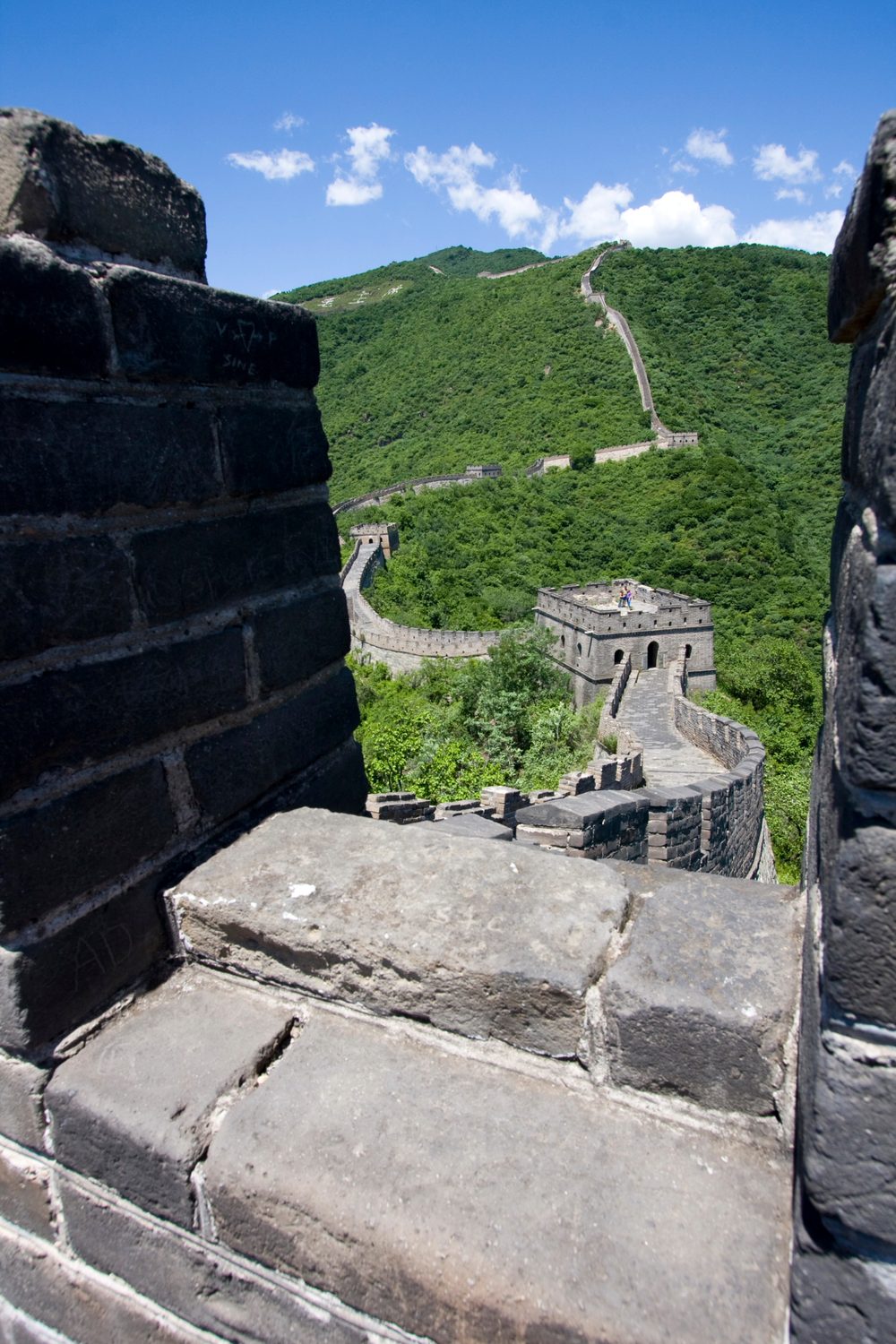
• Mutianyu (慕田峪): Located 73 km northeast in Huairou District. It features 22 beautifully restored watchtowers traversing dense pine and oak forests across rugged granite ridges. It accommodates visitors smoothly, features modern cable cars and chairlifts, and boasts the world-famous alpine toboggan run. It is universally recommended for first-time visitors.
• Jinshanling & Simatai (金山岭/司马台): Located 130 km northeast (2.5 hours each way). These sections feature semi-restored, rugged masonry, steep cliffside towers, and fewer tourists. They are ideal for serious hikers but require a full 10-to-12-hour day trip.
4. Getting to Mutianyu Great Wall: Transit Options
You have three reliable ways to reach Mutianyu from central Beijing:
• Dedicated Tourist Express Buses (Recommended): Services like Mubus and Beijing Hub of Tour Dispatch operate direct express air-conditioned coaches departing daily between 7:30 and 8:00 AM from central subway stations (such as Line 2 Dongzhimen or Qianmen). Round-trip tickets cost approximately 80 RMB ($11 USD). The journey takes 75 to 90 minutes. These buses take you directly to the scenic area gate, bypassing commercial shopping stops and providing helpful English orientation.
• Private Hired Car or DiDi: A private chartered car for the day costs between 500 and 700 RMB ($70–$100 USD), including highway tolls and waiting time. This is the most flexible option for families or groups of three to four, allowing you to arrive at 7:30 AM before any tour buses reach the ticket gates.
• Public Transit Bus 916 Express: Take Bus 916 Express from Dongzhimen Transport Hub to Huairou North Street (12 RMB), then transfer to a local H23 minibus or negotiate a local taxi (50–60 RMB) to the scenic area. While cheap, this route involves language challenges and aggressive unlicensed taxi touts at the Huairou bus stop, making it less advisable for first-timers.
5. Cable Car Up, Toboggan Down: Navigating Mutianyu
Upon arriving at the Mutianyu visitor center, you will purchase your entrance ticket (40 RMB) plus the mandatory scenic shuttle bus (15 RMB round-trip) that transports you 3 kilometers from the parking depot to the mountain base.
At the mountain base, you will encounter two separate, competing cable transit operators:
• The Enclosed Cable Car Company (To Tower 14): An enclosed, modern gondola lift takes you smoothly to Watchtower 14 in the central section. Round-trip is 140 RMB, single is 100 RMB. This is ideal for seniors, small children, or those with mobility concerns.
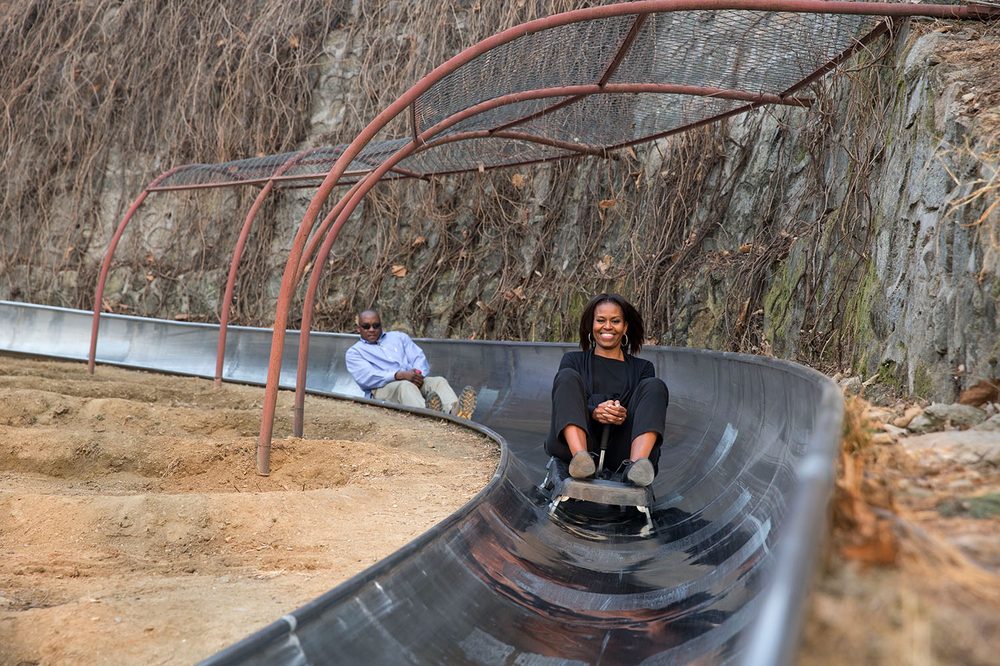
• The Chairlift & Toboggan Company (To Tower 6): An open-air two-person ski-lift chairlift takes you up to Watchtower 6. For your descent, you ride a wheeled individual metal cart down a twisting 1,580-meter stainless steel alpine slide (toboggan). Hand levers allow you to control your own speed through the banked hairpin turns. A combination ticket (chairlift up, toboggan down) costs 140 RMB.
The Perfect Hiking Loop: For the ultimate experience, purchase a single chairlift ticket up to Tower 6. Hike west along the crenellated stone ramparts past Towers 7 through 14, continuing up the steeper stone staircases to Tower 20 (the highest restored point of Mutianyu). The panoramic views from Tower 20 looking across the untamed “wild wall” ridge at Jiankou are magnificent. After catching your breath, hike back down to Tower 6 and ride the exhilarating toboggan back down to the valley floor.
6. Essential Checklist for a Frictionless Visit
• Prohibited Items: Lighters, matches, knives, and drones are strictly prohibited at both the Forbidden City and the Great Wall. Security will confiscate lighters at the gate without return. Large travel luggage must be checked into the free luggage storage office at the Meridian Gate and retrieved at the North Gate exit.
• Footwear: The Great Wall and Forbidden City involve serious walking. The Forbidden City requires roughly 8,000 to 12,000 steps across uneven stone slabs. Mutianyu involves hundreds of steep, irregular masonry stairs. Wear sturdy, non-slip running shoes or hiking boots.
• Hydration and Snacks: While snack kiosks exist along Mutianyu and inside the Forbidden City, prices are marked up and lines are long. Carry a refillable water bottle (hot and ambient water dispensers are free inside the palace) and pack energy bars or fruit in your daypack.