
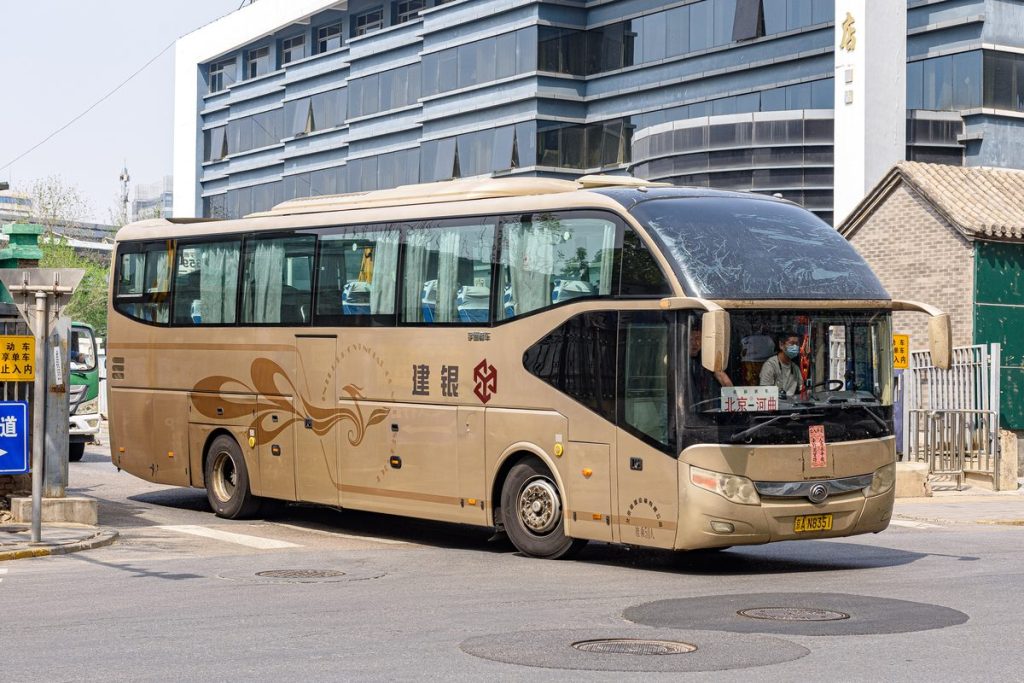
China’s gleaming high-speed bullet trains link virtually every major metropolis, but when your travel dreams lead into the dramatic limestone karst valleys of Guizhou, the high-altitude Tibetan grasslands of western Sichuan, or remote trailhead villages along the Yunnan border, railways often reach their geographic limits. In these rugged and scenic corners of the country, modern long-distance coaches (Chángtú Qìchē, 长途汽车) remain the true lifelines of independent overland exploration.
Gone are the noisy, smoky, unpaved journeys of decades past. Today, China’s intercity coach network glides across the world’s largest national expressway system on modern, air-conditioned touring coaches. However, navigating bus terminals where English signage is rare, purchasing real-name tickets with a foreign passport, and managing roadside expressway rest stops require insider know-how. This comprehensive guide breaks down everything you need to know to ride China’s long-distance buses with confidence.
Quick Takeaways: Riding Buses in China
1. Why Long-Distance Coaches Still Matter: Reaching Off-the-Grid China
While bullet trains link Beijing, Shanghai, Xi’an, and Guangzhou in hours, China’s topography includes towering mountain ranges, deep river canyons, and sprawling plateaus where high-speed tracks cannot easily be laid. In these regions, high-deck touring coaches navigate smooth four-lane expressways, tunneling through granite peaks and bridging massive gorges to connect travelers with extraordinary destinations.
Here are several premier travel routes where long-distance coaches remain either the preferred or only overland transit option:
- Western Sichuan Alpine Circuits: Reaching Tibetan monastic settlements such as Kangding, Tagong Grasslands, Litang, and Daocheng Yading from Chengdu relies on long-distance coaches departing from Chengdu’s western terminals.
- Yunnan River Gorges & Border Highlands: Traveling between Dali, Lijiang, Shangri-La, and remote villages along the Nu River (Nujiang) or Deqin near Meili Snow Mountain requires intercity coaches that maneuver scenic mountain highways.
- Guizhou Minority Villages & Karst Valleys: Venturing into deep Dong and Miao wooden stilt villages tucked into southeastern Guizhou often requires transferring from a high-speed rail hub onto a regional intercity coach.
- National Park Gateways: While dedicated rail spurs continue to expand, scenic gateways like Mount Siguniang (Four Sisters Mountain) or remote border crossings into Laos and Vietnam rely on long-distance passenger coaches.
Whenever high-speed rail is an option along your route, bullet trains are unquestionably faster, smoother, and more comfortable. Always check train schedules first on Trip.com Trains or review our China high-speed rail complete guide before choosing the road.
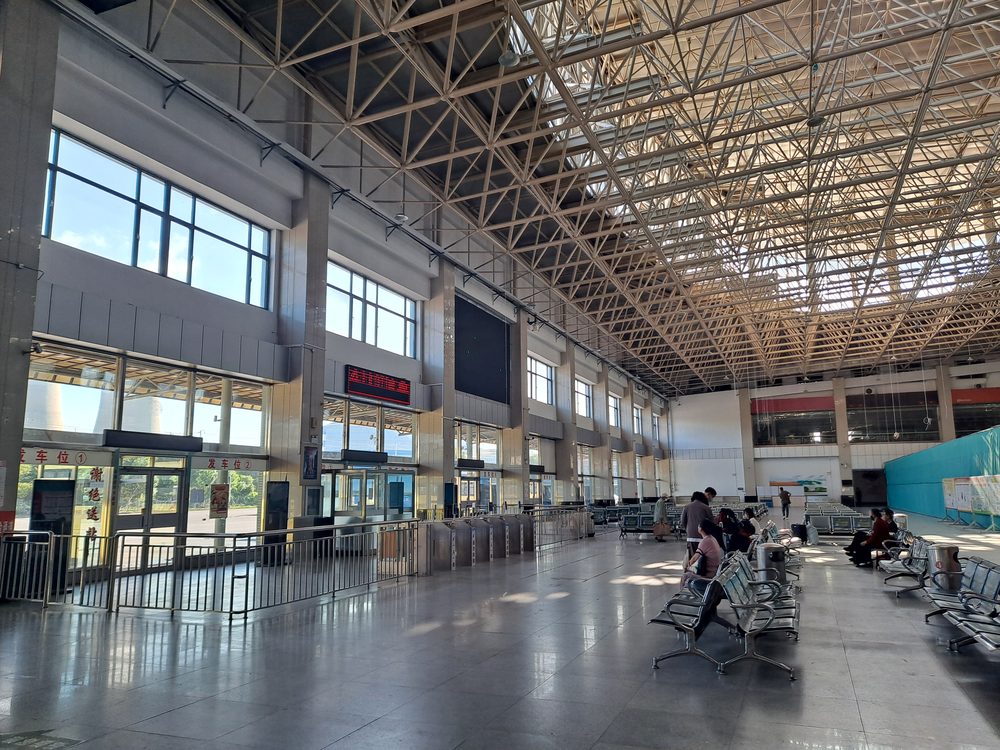
2. Navigating Chinese Coach Terminals (Qìchēzhàn)
Unlike airports or central railway stations, Chinese long-distance bus terminals are not organized under a single unified roof. Metropolitan centers typically operate multiple passenger coach stations (Qìchē Kèyùn Zhàn, 汽车客运站), each handling departures for specific regional corridors based on cardinal geography:
- South Bus Station (Qìchē Nánzhàn, 汽车南站): Services destinations situated directly south of the municipality.
- West Bus Station (Qìchē Xīzhàn, 汽车西站): Dispatches routes heading into western highlands and mountainous counties.
- East Bus Station (Qìchē Dōngzhàn, 汽车东站): Links coastal plains or eastern provincial borders.
- Specialized Regional Hubs: For example, Chengdu’s Chadianzi Bus Station (茶店子客运站) specializes almost exclusively in northern and western Sichuan routes toward Tibetan autonomous prefectures, whereas Chengdu Xinnanmen Bus Station (新南门客运站) handles scenic regional tourism destinations like Mount Emei and Leshan.
Confirming Your Station: Always confirm which exact bus station operates your route before leaving your accommodation. Use Amap (Gaode Ditu) or have your hotel concierge verify the departure station. If you need a hassle-free transfer across the city with heavy luggage, hail a ride via our DiDi ride-hailing guide directly to the station entrance.
Security Screening: Upon entering the terminal building, all passengers must pass through a security checkpoint. Place all daypacks, handbags, and rolling luggage onto the X-ray conveyor belt and walk through the metal detector. Banned items strictly mirror rail regulations: pocket knives, scissors with blades over 6cm, flammable aerosol sprays exceeding 150ml, and fireworks are confiscated on the spot.
3. Ticket Counters, Passport Verification & Reading Your Ticket
Under China’s transportation security regulations, long-distance coach travel enforces the Real-Name Registration System (Shímíngzhì, 实名制). You cannot board an intercity coach anonymously, and tickets are strictly tied to your verified identity document.
At the Ticket Counter: While local Chinese citizens purchase coach tickets on WeChat mini-programs or swipe resident identity cards at automated kiosks, self-service ticketing machines in bus stations cannot read foreign passport chips. International visitors must purchase tickets at the staffed ticket counter (Shòupiàochù, 售票处):
- Approach an open ticket window. Look for screens displaying “General Ticket Window” (人工售票窗口, Réngōng Shòupiào Chuāngkǒu).
- Hand your physical passport to the ticketing clerk.
- Show the Chinese characters (汉字) for your destination city or scenic county clearly displayed on your mobile phone screen, along with your preferred departure time. This eliminates mispronunciation errors and ensures you get booked onto the correct coach.
- Pay for your ticket. All counters accept Alipay and WeChat Pay, while larger central terminals also accept cash RMB.
Decoding Your Paper Ticket: The ticketing clerk will hand you a printed thermal ticket. Familiarize yourself with the key Chinese fields printed across the slip:
- Destination (到达站, Dàodá Zhàn): Verifies your intended destination city or county town.
- Departure Date & Time (发车时间, Fāchē Shíjiān): The exact scheduled departure time (using 24-hour military format).
- Boarding Gate (检票口, Jiǎnpiàokǒu): The numbered departure gate inside the waiting hall where your bus will board (e.g., 03号检票口).
- Seat Number (座位号, Zuòwèi Hào): Your assigned seat inside the passenger cabin. Seating is strictly assigned on all intercity express coaches; do not sit in arbitrary open seats.
- Price (票价, Piàojià): The total fare paid in RMB, including mandatory passenger road insurance.
4. Coach Classes, Onboard Amenities & Luggage Storage
Long-distance coaches operating on China’s national expressway system are modern commercial vehicles manufactured by top domestic builders such as Yutong, King Long, and Golden Dragon. They provide a smooth, elevated ride high above the roadway.
Luggage Bays: Large rolling suitcases, heavy backpacks, and oversized outdoor equipment travel in the coach’s exterior underfloor cargo holds (Xínglǐcāng, 行李舱). Before stepping up the passenger stairwell, hand your bulky luggage to the driver or baggage attendant stationed beside the open luggage doors. The attendant will place your bag inside and hand you a matching numbered plastic luggage claim token. Keep this token safe; you must present it to reclaim your luggage upon arrival. Keep your passport, smartphone, wallet, water bottle, and valuable electronics inside a small daypack on your lap.
Seating Configurations: Most standard expressway coaches feature a 2+2 seating configuration with high-backed upholstered seats, three-point seatbelts, footrests, and adjustable recline. On premium intercity business express routes, you may encounter luxury VIP coaches featuring 2+1 seating with wide leather armchairs, private USB charging ports, and extended legroom.
Seatbelt Enforcement: Chinese traffic police strictly enforce seatbelt laws on all intercity expressways. Overhead highway surveillance cameras photograph passenger cabins, and drivers are heavily fined if riders are unbuckled. Fasten your seatbelt the moment you sit down and keep it secured throughout the journey.
Onboard Temperature & Etiquette: Coach air conditioning in summer is often kept quite cool, while winter heating can be robust. Dressing in comfortable layers is recommended. Most coaches provide shared overhead reading lights and individual AC vents. Phone calls should be kept brief and at a considerate volume; wearing headphones when watching videos or listening to music is standard passenger courtesy.
5. Expressway Service Areas (Fúwùqū), Rest Stops & Travel Essentials
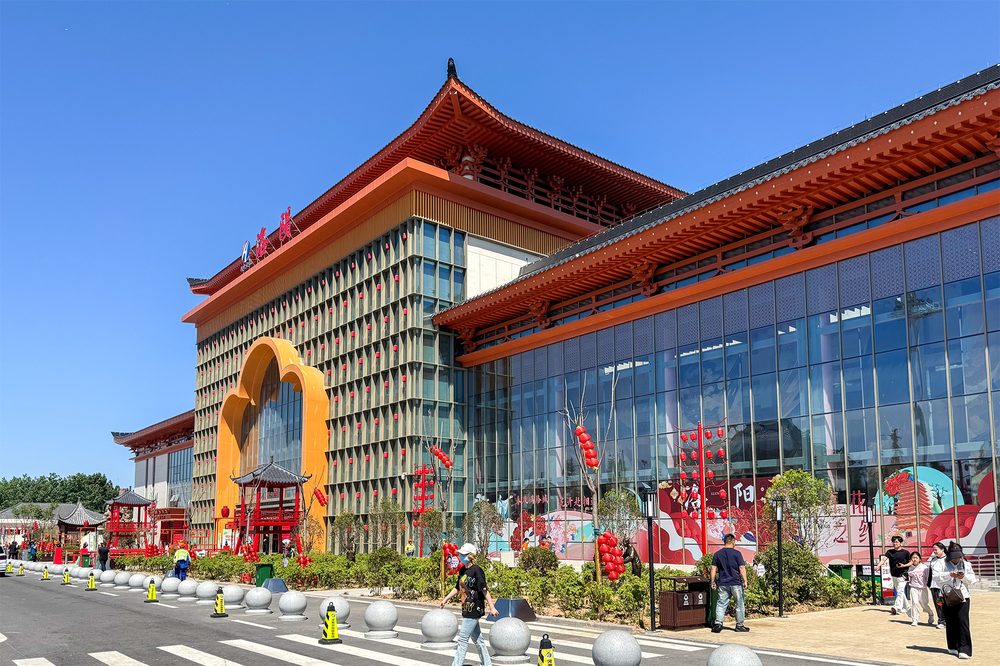
One of the most pleasant surprises of long-distance road travel in modern China is the sophistication of the national expressway service areas (Fúwùqū, 服务区). Under national transport regulations, commercial coach drivers are legally required to take a 20-minute rest break after every 3 to 4 hours of continuous driving, ensuring passenger safety.
What to Expect at a Highway Service Area: When your coach pulls off the expressway into a sprawling service plaza, the driver will call out the length of the comfort stop—typically 15 to 20 minutes (二十分钟, Èrshí Fēnzhōng). Modern Chinese service plazas resemble mini shopping malls, complete with:
- Dining & Fast Food: Self-service hot buffet counters offering steamed rice, braised meats, and stir-fried vegetables, alongside familiar branded eateries such as KFC, McDonald’s, and local noodle bars.
- Convenience Supermarkets: Fully stocked stores selling bottled water, fresh seasonal fruit, bakery snacks, nuts, and instant noodles.
- Free Boiling Water Dispensers: Located near the restroom entrances, these dispensers supply unlimited 100°C purified boiling water for brewing loose-leaf tea or preparing instant cup noodles.
- Public Restrooms: Massive, high-capacity restroom facilities. While major highway service plazas have clean facilities, carry your own pocket tissues and hand sanitizer, as wall dispensers frequently run empty during peak travel hours. Read our China public restrooms guide for detailed survival tips.
Crucial Rest Stop Safety Tip: Before stepping off the coach to stretch your legs or use the facilities, take a clear photograph of your bus’s license plate (车牌号, Chēpái Hào) and the exterior bus company logo with your smartphone. Service area parking lots frequently hold 20 to 30 nearly identical white touring coaches simultaneously. Having the exact license plate number on your screen guarantees you re-board your correct bus before it departs.
Motion Sickness Preparation for Mountain Roads: While expressways are exceptionally smooth, traveling into remote mountain counties requires traversing twisting provincial switchbacks with steep grades. If you are prone to motion sickness, carry over-the-counter motion sickness patches or dimenhydrinate tablets, pack ginger chews, and request a forward-facing seat near the front axle when purchasing your ticket at the counter.