
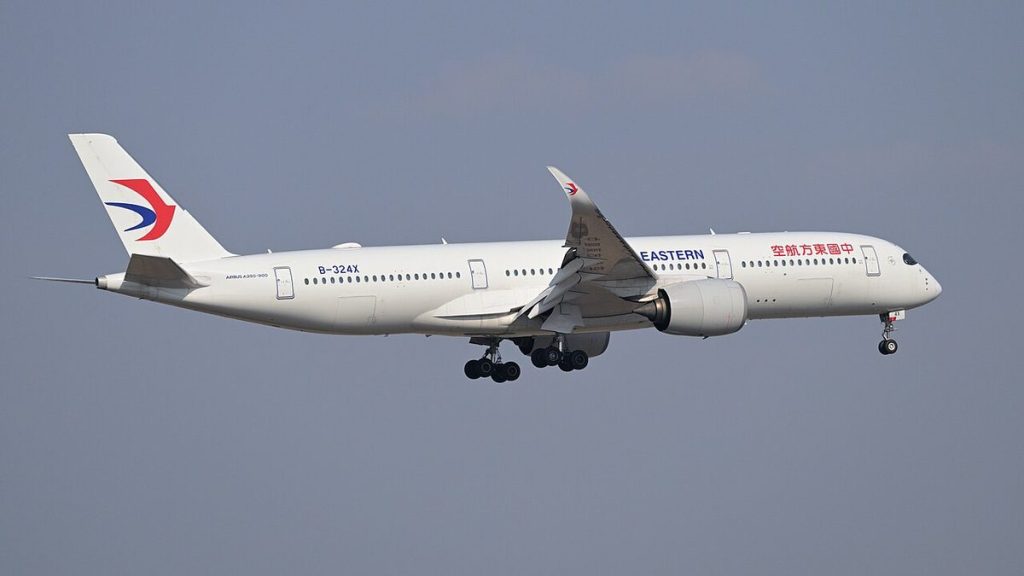
China operates the world’s most expansive high-speed rail network, yet domestic aviation remains an indispensable pillar of modern travel across this continent-sized nation. While bullet trains dominate point-to-point journeys under four to five hours, flying is often the only sensible choice when crossing immense distances—such as journeying from Beijing to the tropical beaches of Sanya, hopping between Shanghai and the mountains of Chengdu, or venturing into the far western frontiers of Xinjiang and Yunnan.
Today, China’s commercial civil aviation sector boasts one of the youngest, safest, and most technologically advanced passenger fleets in the world, operating out of hundreds of newly constructed mega-airports. However, domestic air travel in China features distinct operational rules, strict baggage and security protocols, and specific passport formatting requirements that frequently catch foreign travelers off guard. This guide delivers essential, practical guidance on selecting airlines, booking tickets correctly, clearing security without hassle, and navigating multi-airport metropolitan hubs.
Quick Takeaways: Domestic Flying in China
1. High-Speed Rail vs Domestic Flights: When Flying Makes Sense
Before booking an air ticket, determine whether a bullet train offers a more convenient journey. China’s high-speed rail (HSR) network connects virtually every major city with downtown railway terminals, zero baggage weight restrictions, and minimal security check-in dwell times. Review our China high-speed rail guide to understand routes and ticketing.
As a practical benchmark, veteran travelers adhere to the four-hour rule: if a high-speed train journey takes less than four hours (such as Beijing to Shanghai at 4 hours 18 minutes, or Shanghai to Hangzhou at 45 minutes), train travel is substantially faster and far less prone to weather delays. Once you factor in traveling 30 to 50 kilometers to an airport terminal, clearing security two hours prior to departure, taxiing, flight time, and luggage collection, a short flight rarely beats rail.
Flying becomes the superior and necessary choice on long-haul domestic corridors:
- Beijing to Kunming or Guilin: Taking the bullet train from Beijing to Yunnan takes 10 to 12 hours, whereas a direct domestic flight takes roughly 3.5 hours.
- Shanghai to Chengdu or Chongqing: Crossing central China via rail requires 11 to 13 hours. Direct commercial flights span the distance in just under 3 hours.
- Eastern Seaboard to Xinjiang (Urumqi / Kashgar): Reaching western China by train requires 30 or more hours of overland travel; a non-stop domestic flight from Beijing or Shanghai takes 4.5 to 5.5 hours.
- Tropical Island Journeys (Hainan / Sanya / Haikou): While rail ferries carry trains across the Qiongzhou Strait, flights bypass the multi-hour marine shunt, landing directly in beach resorts.
2. The Airline Landscape: The “Big Three” vs Budget Carriers
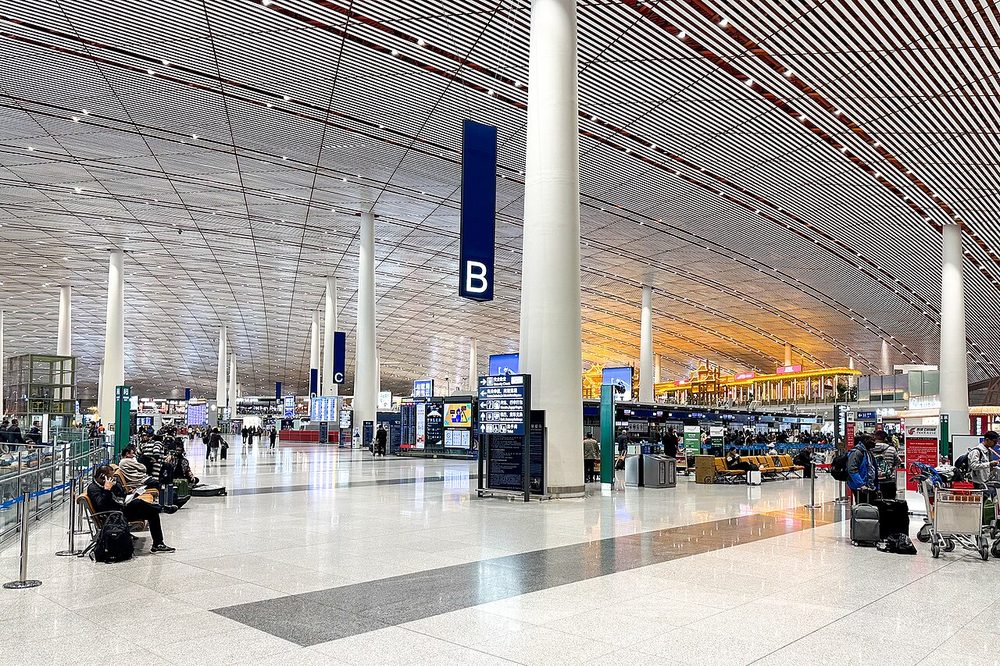
China’s commercial aviation sector is dominated by three massive state-owned airline groups, supplemented by premier independent full-service airlines and a growing roster of budget low-cost carriers (LCCs):
Air China (Star Alliance): Headquartered at Beijing Capital (PEK) with significant presence at Beijing Daxing (PKX) and Chengdu Shuangliu (CTU). Air China is the national flag carrier, operating extensive northern, southwestern, and regional routes. Tickets always include complimentary hot meals and standard checked luggage.
China Eastern Airlines (SkyTeam): Centered at Shanghai Pudong (PVG) and Shanghai Hongqiao (SHA), with an extensive secondary hub in Kunming Changshui (KMG). China Eastern dominates eastern China and southwestern feeder routes, offering modern wide-body aircraft on trunk domestic business routes.
China Southern Airlines: Headquartered at Guangzhou Baiyun (CAN) with a mega-hub at Beijing Daxing (PKX). Operating the largest commercial fleet in Asia, China Southern serves an exhaustive web of secondary and tertiary airports throughout southern China, Xinjiang, and the northeastern provinces.
Hainan Airlines: A private carrier renowned for top-tier cabin service and comfortable wide-body seating. Consistently rated highly by international passenger audits, Hainan Airlines operates major trunk connections linking Beijing, Haikou, Xi’an, and Shenzhen.
Low-Cost Carriers (Spring Airlines, Lucky Air, West Air): Shanghai-based Spring Airlines is China’s pioneer budget carrier. Fares are remarkably affordable—frequently under 300 RMB ($42 USD) between provincial cities. However, budget carriers strictly enforce strict baggage policies: basic economy fares include zero checked luggage and limit cabin baggage to a single small daypack weighing no more than 7kg (15 lbs). Furthermore, overhead compartment space is rigorously controlled at the boarding gate, and in-flight meals or bottled water are sold separately.
To reserve domestic flights with instant English confirmation, transparent baggage rules, and international credit card support, use Trip.com Flights, which aggregates live availability across all state and private domestic Chinese carriers.
3. Real-Name Passport Booking, English Name Formats & Check-In
Under Chinese civil aviation law, all flight bookings are linked to a traveler’s verified identity document through the Real-Name Verification System (Shímíngzhì, 实名制). For international visitors, your physical passport is your sole acceptable travel credential.
Entering Your Name Correctly: The single most common issue foreigners encounter is an English name mismatch. Chinese airline systems typically do not accommodate hyphens, apostrophes, or complex middle names. When reserving flights, format your name strictly following the machine-readable zone at the bottom of your passport page:
- Use the standard international airline convention: SURNAME/FIRSTNAME MIDDLENAME (e.g., SMITH/JOHN ROBERT).
- If the online booking portal provides separate fields for First, Middle, and Last Name, verify that your first and middle names do not get reversed or truncated.
- Never use nicknames, initials, or abbreviated names. The name on your electronic flight coupon must match your passport photo page letter for letter.
Airport Check-In Counters vs Online Check-In: While Chinese citizens regularly check in via airline WeChat mini-programs or automated airport kiosks using national resident ID cards, international passport holders must generally visit the physical airline check-in counters. Airport kiosks frequently cannot scan foreign passport chips for domestic itineraries.
Arrive at the airport terminal at least two hours prior to scheduled departure. Look for the designated check-in row corresponding to your flight number on the departures overhead display boards. Present your physical passport to the counter agent; no printed paper e-ticket receipt is necessary, though having your booking confirmation reference saved on your phone is always good practice. The agent will weigh your checked luggage, verify your travel documents, and print your standard physical boarding pass (Dēngjīpái, 登机牌).
4. Baggage Allowances, Battery Rules & Security Protocols
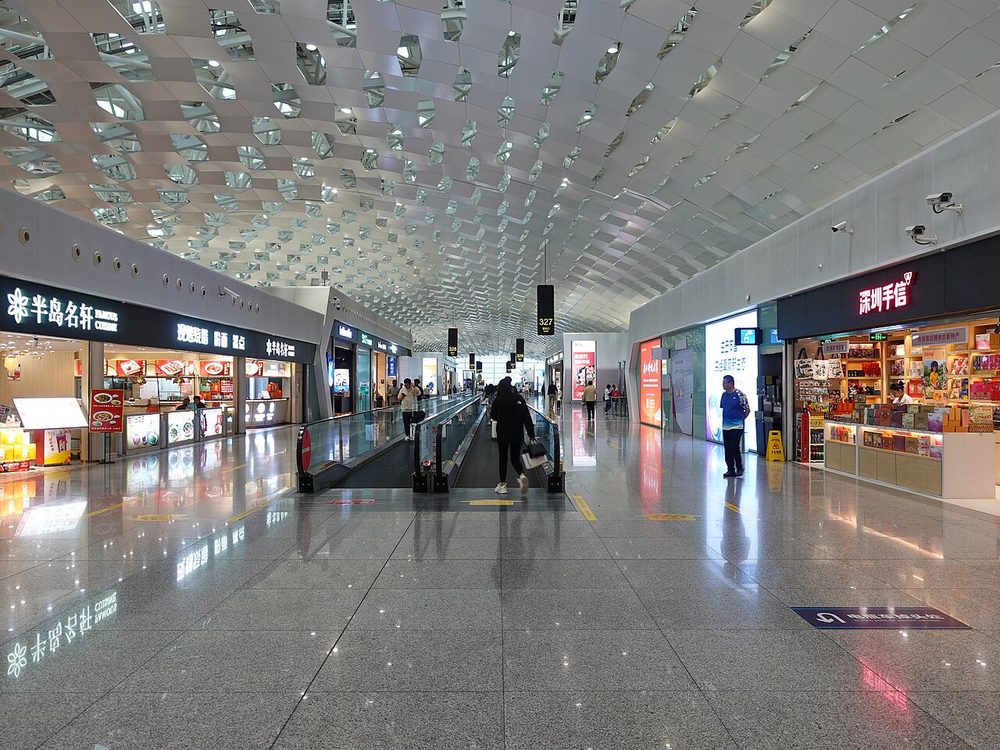
Chinese airport security checkpoints are among the most meticulous in global civil aviation. Understanding luggage rules prevents delays and costly confiscations at the X-ray scanners.
Checked Baggage Allowances: Standard economy tickets on full-service carriers (Air China, China Eastern, China Southern, Hainan Airlines) include 20kg (44 lbs) of complimentary checked baggage. Business class allowances typically extend to 30kg or 40kg. If flying on a low-cost carrier like Spring Airlines, purchase your checked baggage package in advance online; counter excess baggage fees at the boarding gate are substantially steeper.
Strict Lithium Battery & Power Bank Regulations: The Civil Aviation Administration of China (CAAC) enforces uncompromising safety rules regarding portable power banks (Chōngdiànbǎo, 充电宝):
- Carry-On Bags Only: Power banks, spare camera lithium batteries, and portable electronic accessories must travel in your carry-on luggage. Placing lithium batteries in checked suitcases is strictly prohibited and will cause your bag to be pulled from the baggage conveyor system.
- 100Wh Capacity Threshold: Power banks with a rated capacity of 100Wh or less (approximately 27,000mAh at 3.7V) are permitted without prior airline approval. Power banks between 100Wh and 160Wh require explicit airline counter authorization. Devices exceeding 160Wh are strictly forbidden.
- Legible Factory Markings: Every power bank must display clear, legible, manufacturer-printed capacity ratings on the casing. If the specifications have worn off, scratched away, or were never printed, security officers will confiscate the device immediately with zero exceptions. Consult our packing checklist for China for approved gear.
Security Screening Procedures: At the domestic security checkpoint, prepare your boarding pass and passport for facial scanning and credential verification. Next, unpack your carry-on items into separate plastic bins: laptops, tablets, portable power banks, cameras, umbrellas, and liquids (bottles up to 100ml packed in a clear zip bag). All lighters and safety matches are strictly banned from commercial aircraft in China—both on your person and in checked bags. Deposit any pocket lighters into the amnesty bins prior to passing through the metal detector gates.
5. Navigating Multi-Airport Cities, Terminal Connections & Weather Delays
Several of China’s primary economic gateways operate multiple commercial airports separated by dozens of kilometers. Booking a flight out of the wrong facility or underestimating transit times between terminals is a frequent travel trap:
Beijing: Capital (PEK) vs Daxing (PKX): Beijing Capital International Airport (PEK) lies northeast of downtown, connected via the Capital Airport Express subway line. Beijing Daxing International Airport (PKX), the architectural starfish terminal designed by Zaha Hadid, sits south of the city. Daxing is reached in just 20 minutes from Caoqiao subway station via the Daxing Airport Express train, or in 28 minutes via high-speed train from Beijing West Railway Station. If you have an international transit under the 144-hour visa-free transit scheme, ensure you do not inadvertently book a tight transfer that requires crossing between PEK and PKX across central Beijing traffic.
Shanghai: Pudong (PVG) vs Hongqiao (SHA): Pudong (PVG) handles the majority of long-haul international flights and eastern coastal domestic routes, located 40 km east of the city center. Hongqiao (SHA) sits directly to the west and is seamlessly integrated into Shanghai Hongqiao Railway Station. For domestic travelers, Hongqiao is significantly faster and more convenient, enabling instantaneous transfers from a domestic flight to a bullet train bound for Suzhou, Hangzhou, or Nanjing. The two airports are linked by the Shanghai Metro Line 2 or direct airport express shuttles (allow at least 90 minutes transfer time).
Chengdu: Tianfu (TFU) vs Shuangliu (CTU): Chengdu Shuangliu (CTU) is located just 16 km southwest of the city center, accessible via Metro Lines 10 and 19. Conversely, Chengdu Tianfu International Airport (TFU) is situated approximately 50 km southeast in Jianyang. Although connected by Chengdu Metro Line 18 (express trains reach South Railway Station in 33 minutes), budget ample time if your domestic itinerary arrives at or departs from Tianfu.
Managing Weather Delays and Air Traffic Flow Control: Summer domestic flying in eastern and southern China (particularly between June and August) is susceptible to convective thunderstorm clusters, typhoon reroutes, and military air traffic flow control. Flight delays of one to two hours are not uncommon during peak summer afternoons.
To monitor real-time flight conditions, download the Umetrip app (航旅纵横, Hánglǚ Zònghéng) or check live flight status directly inside the Alipay mini-program. If severe weather is forecast along your route and you are traveling between cities connected by high-speed rail, consider swapping to a bullet train; rail operations remain largely unaffected by rain and run on near-flawless on-time schedules.