
Introduction: Getting to Know The Bund
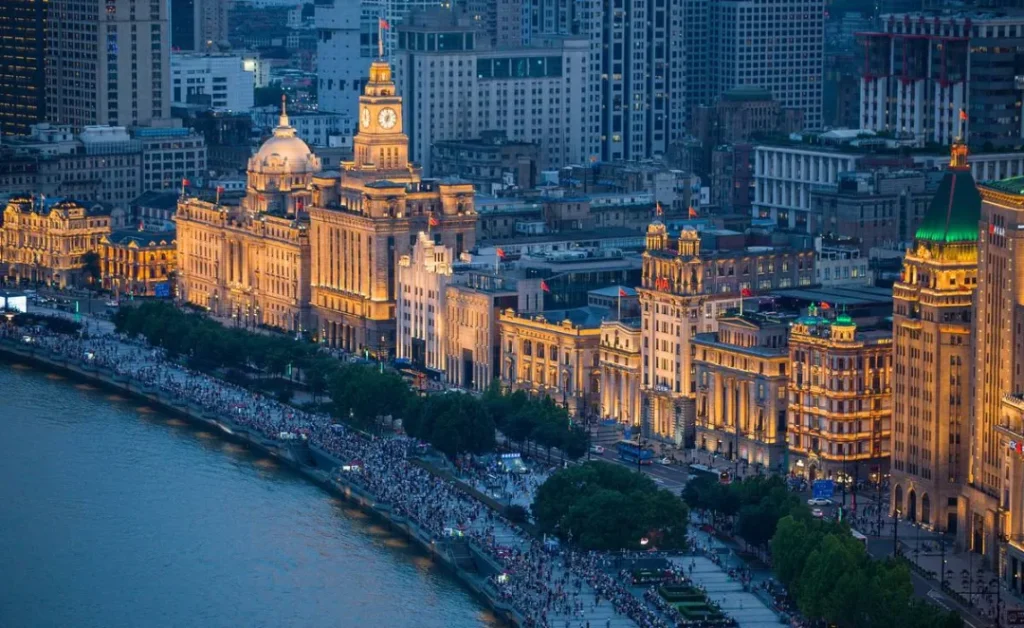
When you think of Shanghai, The Bund (外滩) is undoubtedly one of its most iconic calling cards. Resting gracefully along the Huangpu River (黄浦江), it’s a vivid testament to China’s modern history and an open-air museum showcasing world architectural brilliance. This roughly 1.5-kilometer-long riverside promenade stretches from Yan’an East Road (延安东路) in the south to the Waibaidu Bridge (外白渡桥) over Suzhou Creek (苏州河) in the north. To its east flows the ceaseless Huangpu River, while its west is lined with 52 magnificent classical revival buildings, each with a distinct style. The Bund isn’t just a symbol of Shanghai; it’s a must-visit spot for both Chinese and international tourists to experience the city’s unique charm. This guide will take you on a stroll along The Bund, exploring its historical depth, architectural beauty, and unmissable highlights – a key part of any Shanghai travel guide.
Historical Echoes: The Bund’s Century of Transformation
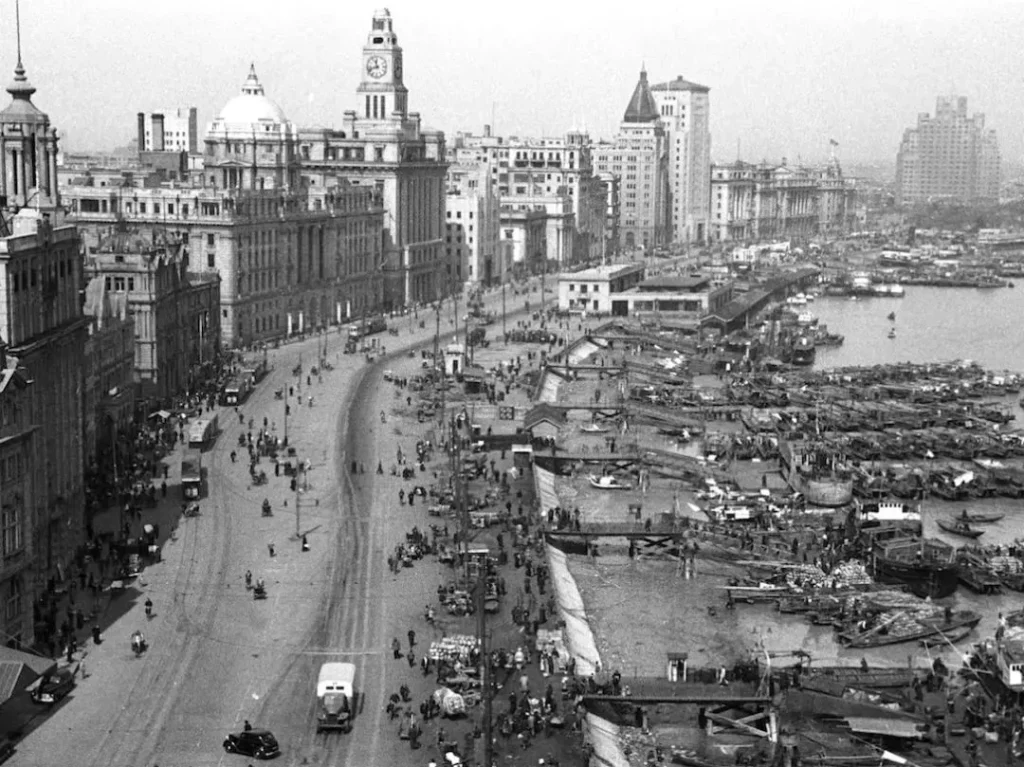
The story of The Bund begins in desolation. Originally, “The Bund” referred to a shallow flatland called “Lijiachang” (李家场) north of the old Shanghai county town, where the Huangpu River and Wusong River (吴淞江 another name for Suzhou Creek) met. It was once a scene of “crisscrossing streams and overgrown reeds,” with only a few thatched huts and scattered graves, and a narrow path serving as the local residents’ way in and out of the county town.
The turning point came in the mid-19th century. Shanghai opened as a port in 1843, and the following year, this area was designated as the British concession. The Bund thus became the starting point and heart of the “Shi Li Yang Chang” (十里洋场 – Ten-Mile Foreign Ground), a term for old Shanghai’s bustling, foreign-influenced commercial center. Foreign banks, trading houses, clubs, and newspaper offices flocked here, and Western-style buildings rose one after another, rapidly transforming The Bund into the financial center of the Far East.
This century-long concession history finally ended in August 1943. In 1945, this road, laden with so much history, was officially named “Zhongshan East No. 1 Road” (中山东一路). Today, The Bund is not only a historical and cultural block and a national key cultural relic protection unit but also saw further functional revitalization of its architectural cluster starting in 2018, breathing new life into old buildings.
Every brick and stone of The Bund is inscribed with Shanghai’s modern memories. It witnessed the leap from a concession to an international financial and trade center and the birth of the “International Architecture Exhibition.” It’s not just the cradle of Shanghai’s urban development but also the fertile ground where modern Chinese art blossomed. This is a crucial stop for anyone interested in China’s history and modern China attractions.
Architectural Symphony: A Gallery of Nations
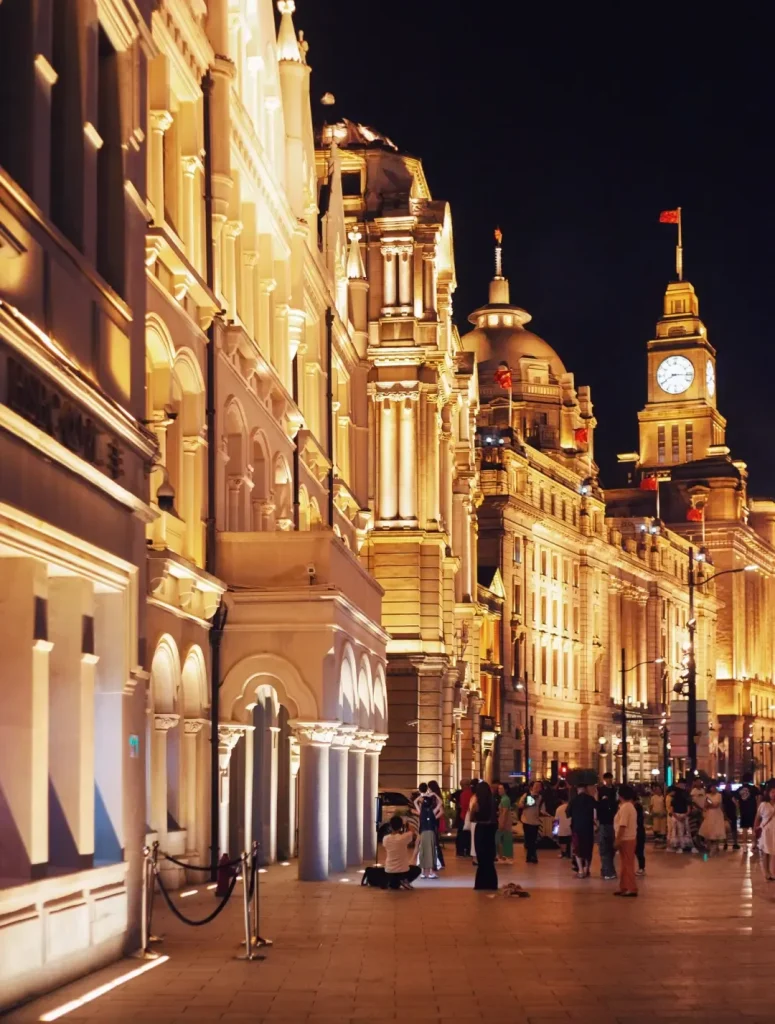
The Bund’s architectural ensemble is famously known as the “Gallery of Nations’ Architecture” (万国建筑博览群), a treasure trove of modern Chinese historical sites. These 52 buildings, each with its unique style and story, collectively form Shanghai’s iconic skyline.
Strolling along The Bund is like walking through a living architectural history book. The elegance of European Neoclassicism, the solemnity of Renaissance style, the opulence of Baroque, the exuberance of Spanish style, and the clever fusion of Eclecticism are all vividly displayed here. For example, the Shanghai Club Building (上海总会), built in 1910 (formerly a club for British expatriates), is a typical Renaissance-style structure, symmetrical along its central axis, appearing harmonious and stately. The Asia Building (亚细亚大楼), on the other hand, presents a Baroque facade, with Ionic columns and keystone decorations on the ground-floor arches, all revealing exquisite craftsmanship.
Most of these buildings feature granite exteriors, clear lines, symmetrical forms, and stunningly detailed decorations, filled with carvings incorporating elements of ancient Greek, Gothic, and other styles, exuding a rich artistic atmosphere. They are not only shapers of Shanghai’s urban character but also carriers of the life memories and emotions of generations of Shanghai residents.
Touring The Bund: Sights You Can’t Miss
Besides the magnificent buildings themselves, The Bund and its surroundings offer many other sights worth savoring:
Classic Architecture Checklist:
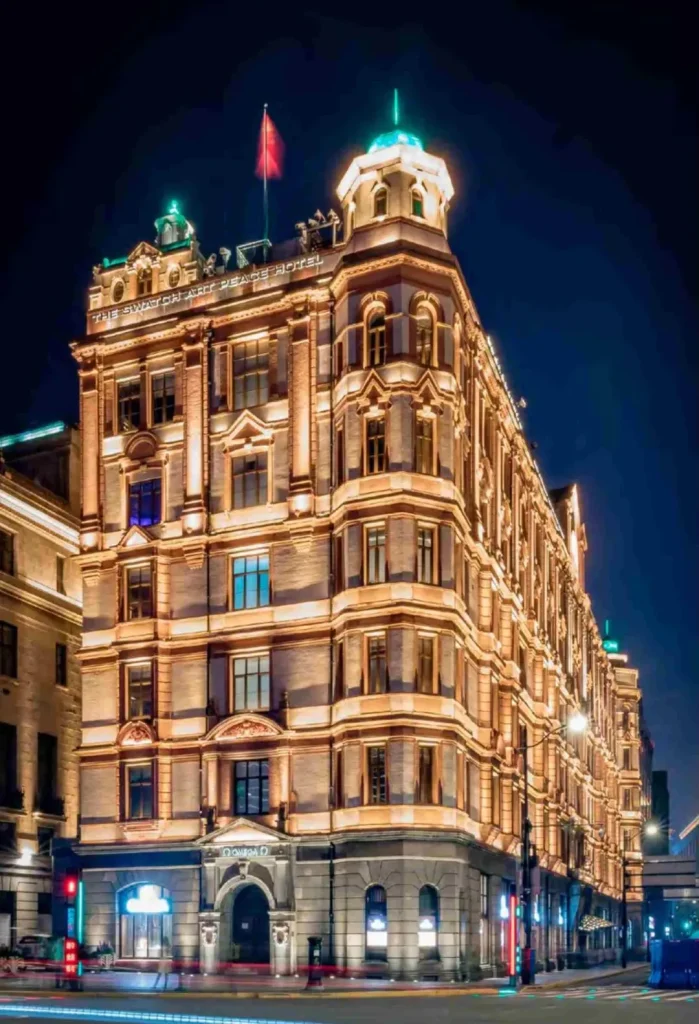
- Palace Hotel Building (汇中饭店大楼): One of The Bund’s early landmarks.
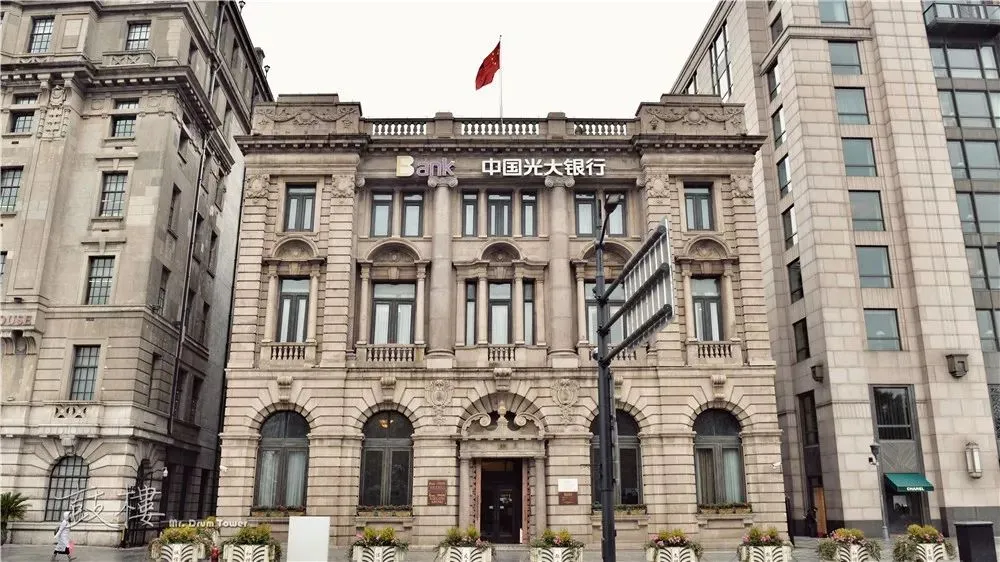
- Banque de l’Indochine Building (东方汇理银行大楼): evidence of The Bund’s status as a financial center.
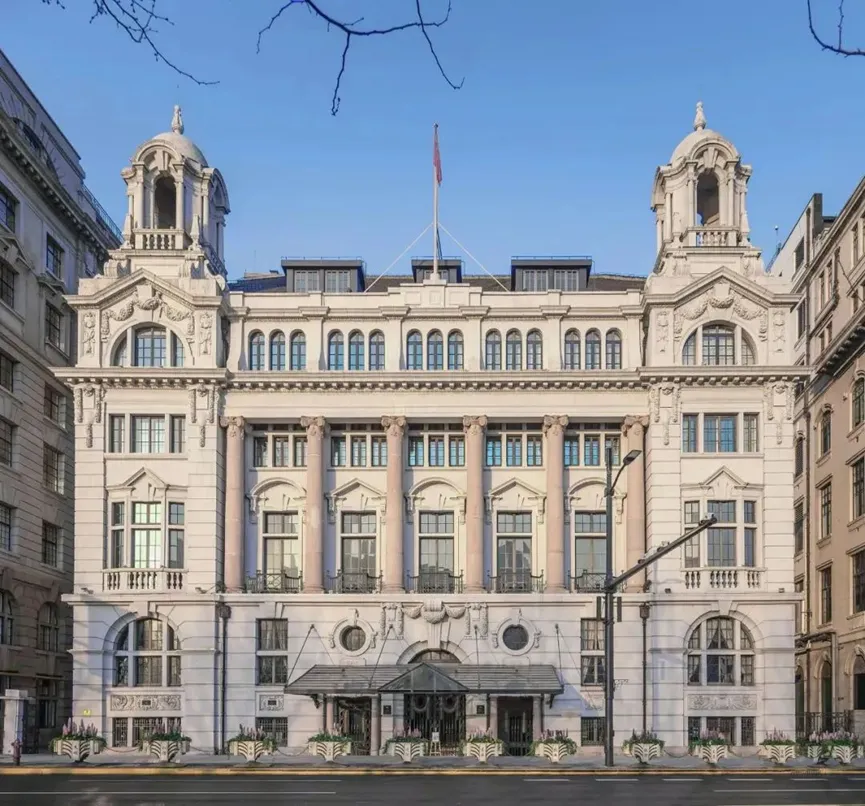
- Shanghai Club Building (上海总会大楼): A prime example of Renaissance style.
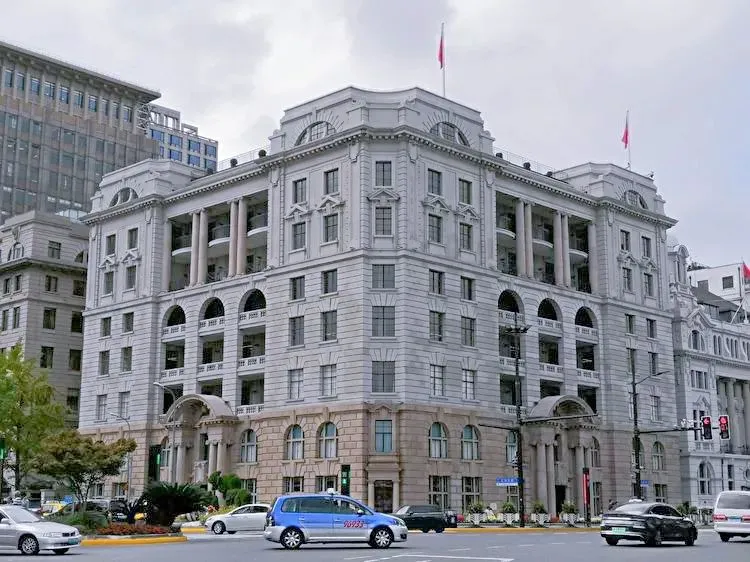
- Asia Building (亚细亚大楼): Representative of Baroque charm.
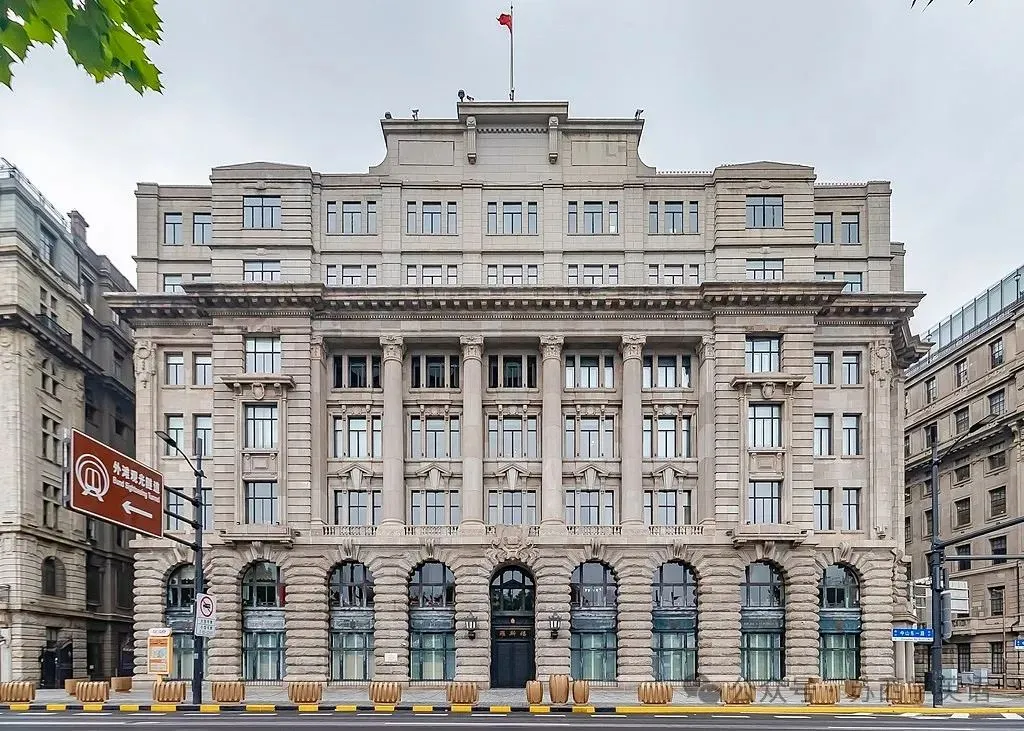
- Jardine Matheson Building (怡和洋行): A glimpse into early foreign trading house architecture.
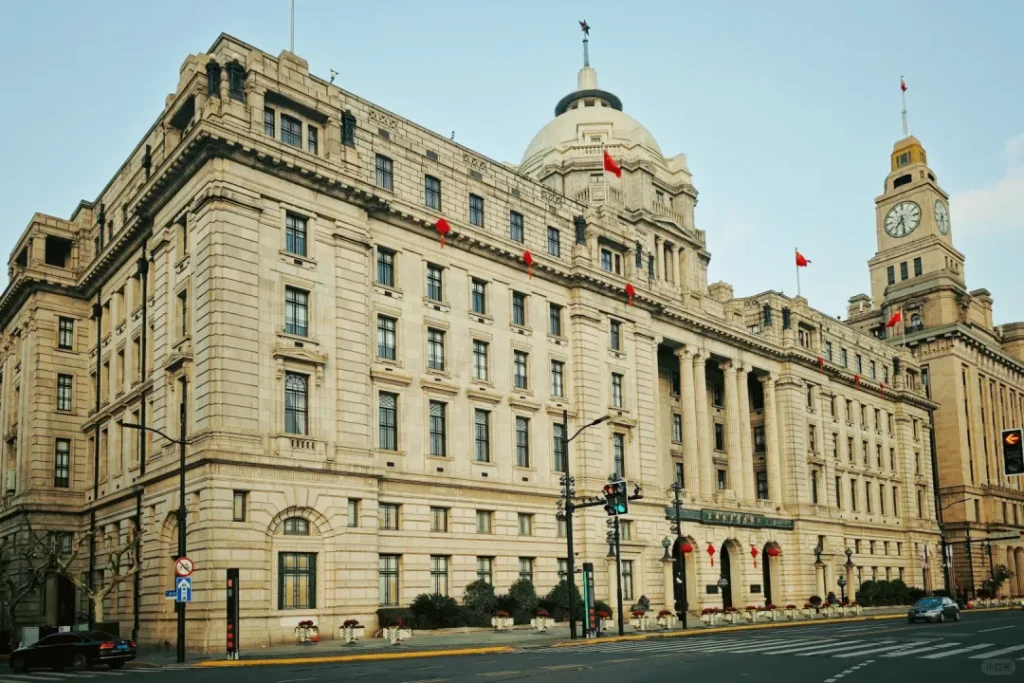
- Former HSBC Building (旧汇丰银行大厦): Grand and unmissable.
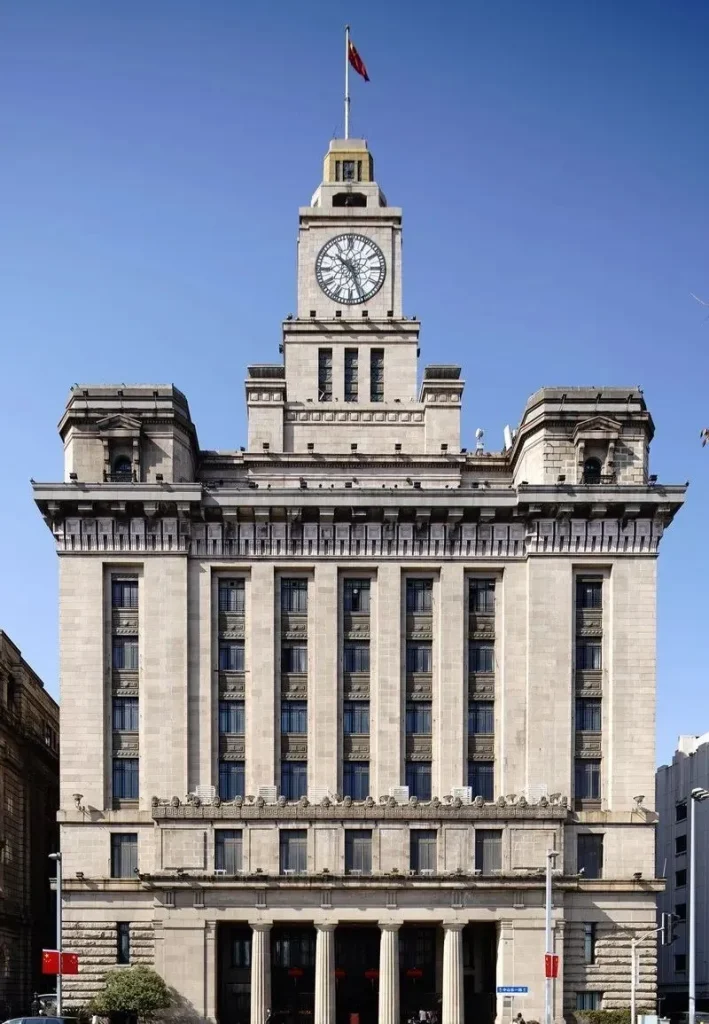
- Customs House (海关大楼): Its clock tower and chimes are iconic symbols of The Bund.
Other Highlights:
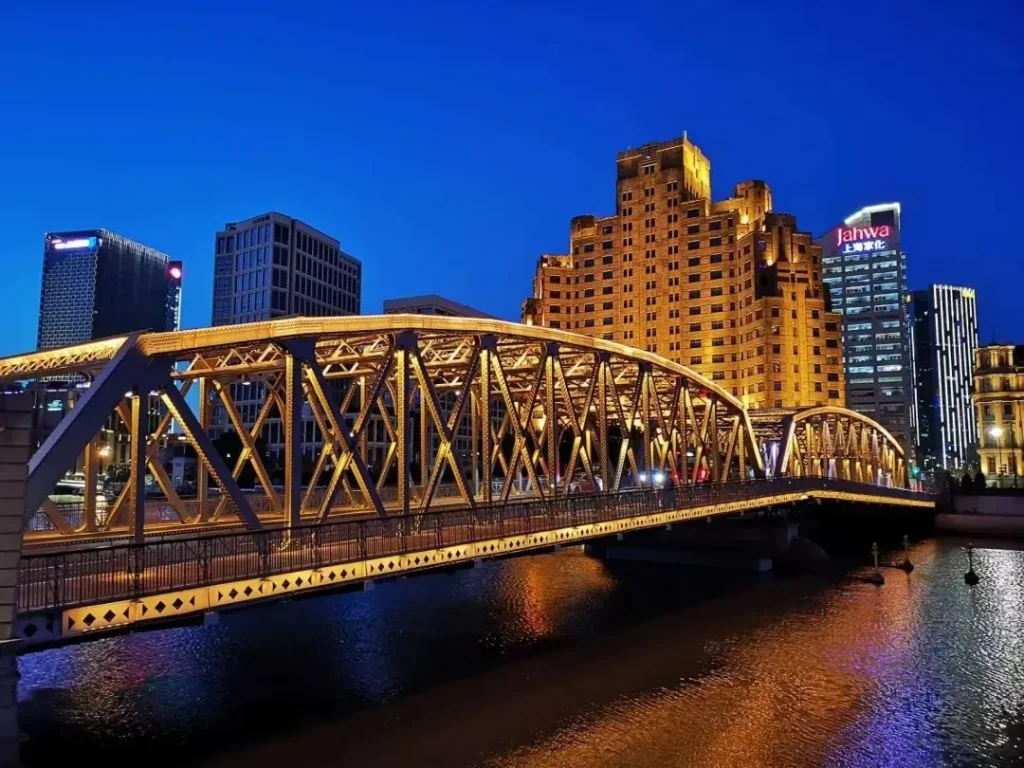
- Waibaidu Bridge (外白渡桥): Spanning Suzhou Creek, it marks the northern end of The Bund and is a frequent star in films and TV shows.
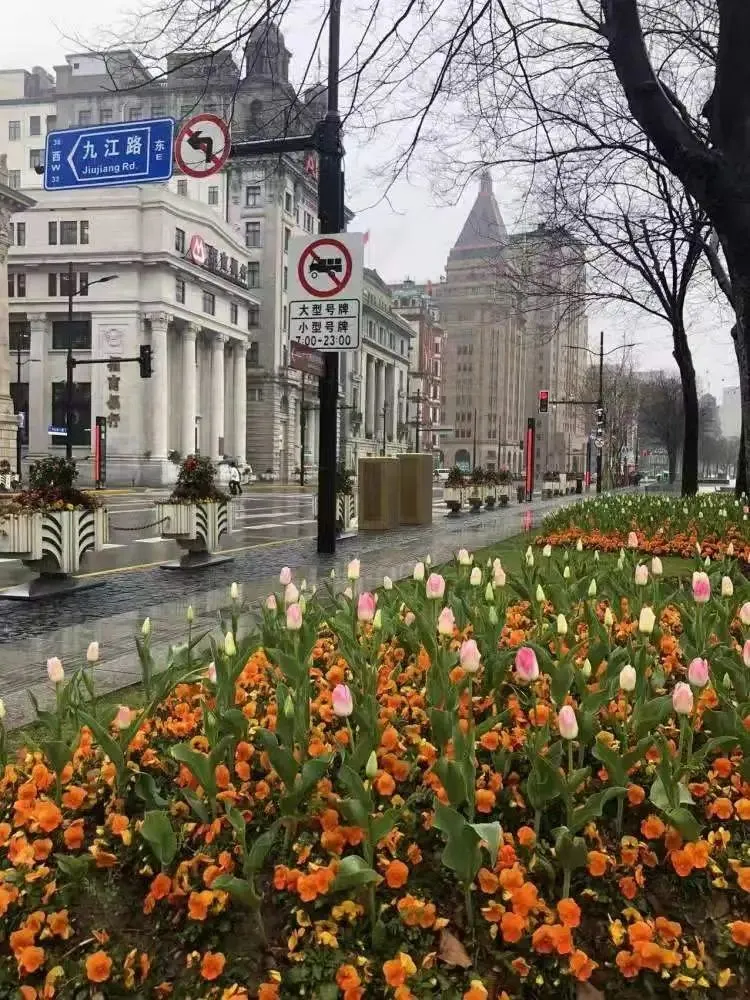
- Huangpu Park (黄浦公园): A green space along The Bund, perfect for resting and enjoying the view.
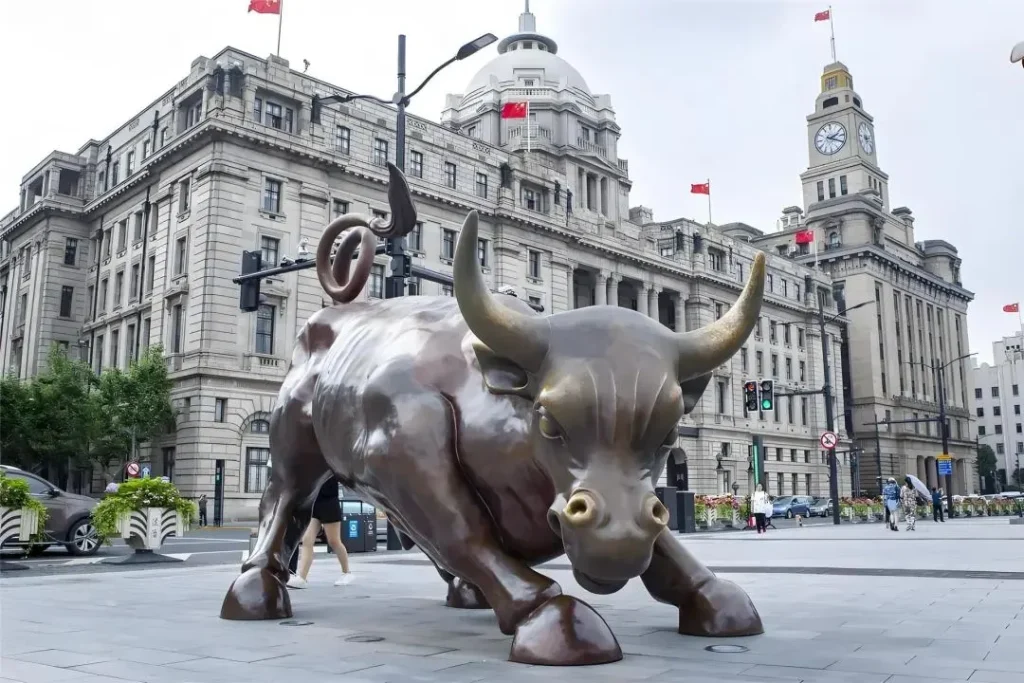
- The Bund Bull (外滩公牛 or 上海公牛): A powerful sculpture that has become a new photo hotspot.
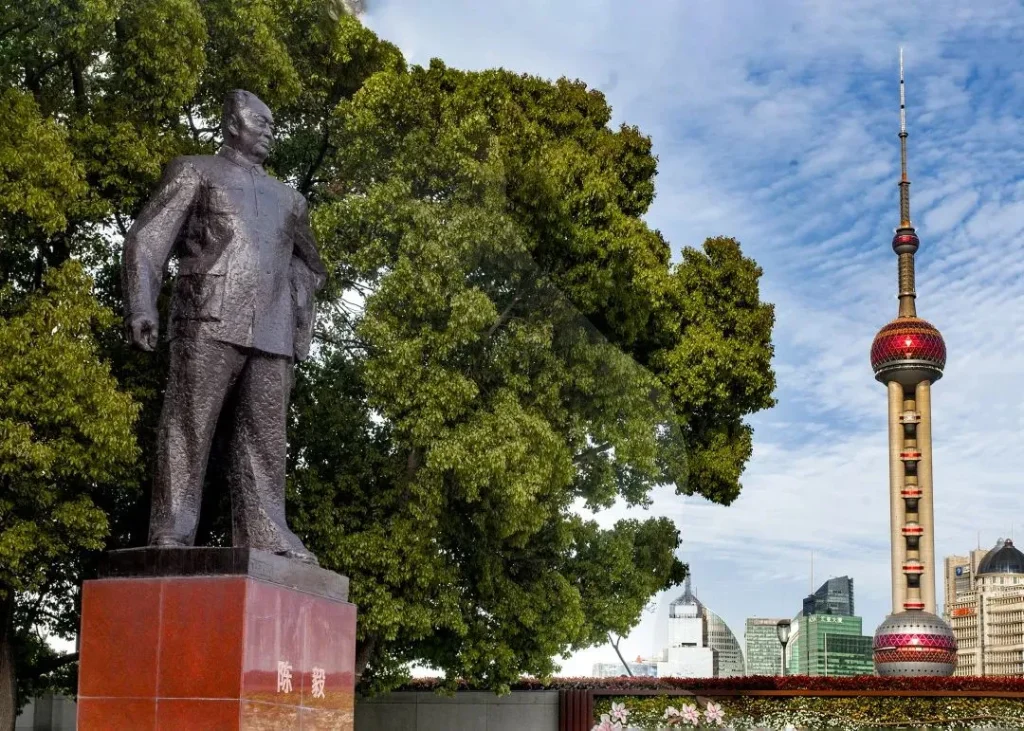
- Chen Yi Square (陈毅广场): Commemorating Marshal Chen Yi, Shanghai’s first mayor.
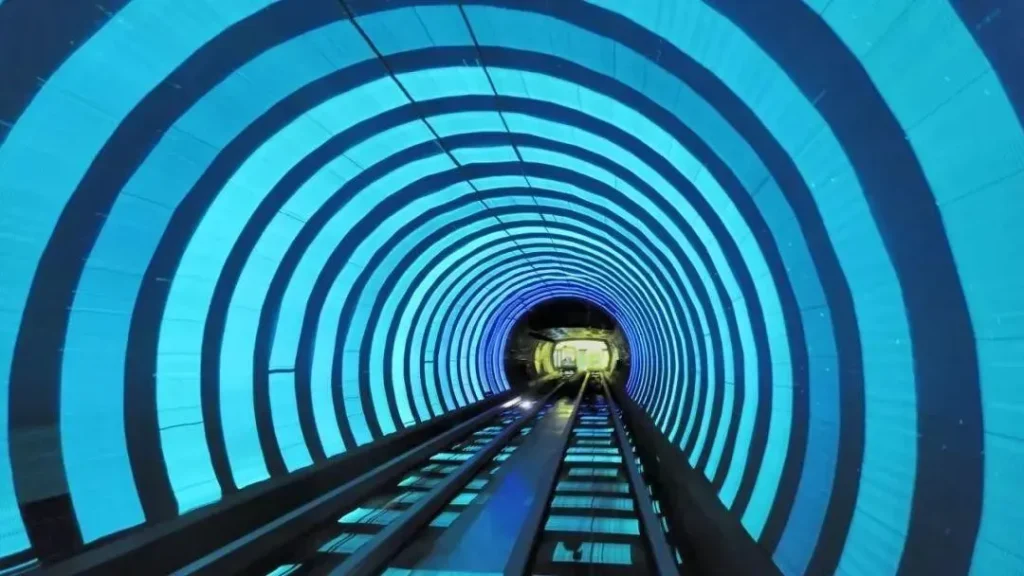
- Bund Sightseeing Tunnel (外滩观光隧道): Connecting The Bund in Puxi with Lujiazui in Pudong, offering a unique river-crossing experience.
Dazzling Nightscape: The Charm of the “Sleepless City”
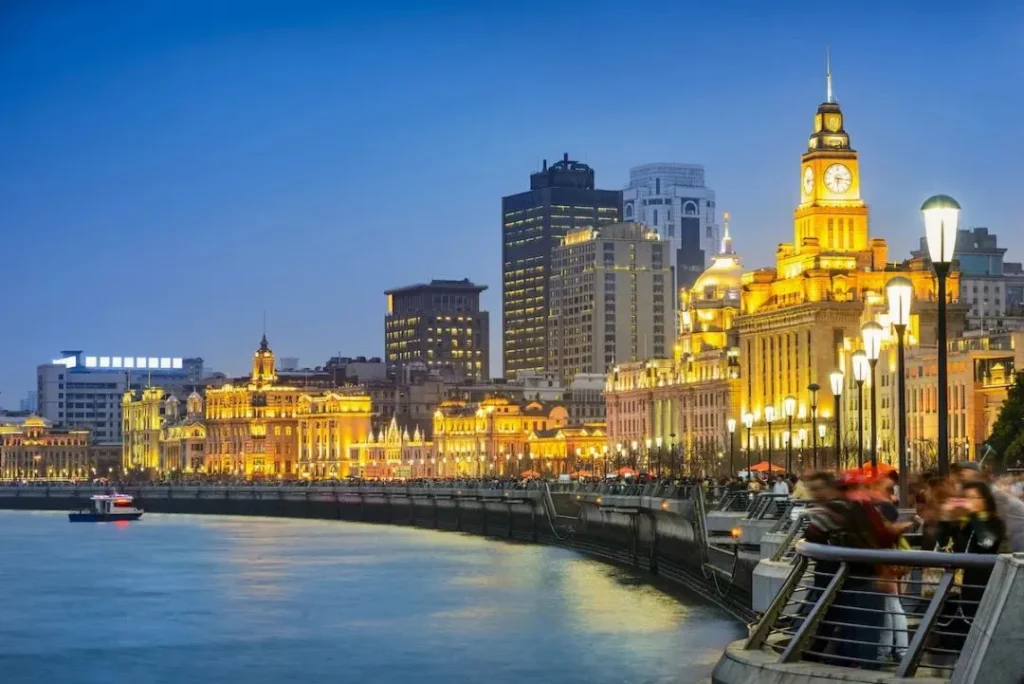
The Bund’s night view is the essence of Shanghai nightlife, earning it the nickname “Sleepless City” (不夜城). When the lights come on (usually from 6 PM to 10 PM, with the best views after 7 PM), the buildings on both sides of the Huangpu River are brilliantly illuminated, their reflections dancing on the water, creating a dazzling, colorful spectacle. At this time, with a gentle river breeze and bustling crowds, whether you’re strolling along the riverbank or leaning on the railings to gaze into the distance, you can feel the prosperity and romance of Shanghai.
Visitor’s Guide: Navigating The Bund with Ease
Best Time to Visit:
Spring (March-May) and Autumn (September-November) are the best seasons to visit The Bund. The weather is pleasant, perfect for outdoor walks and photography. Summer can be hot, but the evening river breeze, the stunning night views, and the Huangpu River cruise experience offer their own unique charm. Winter is relatively cold and damp, but there are fewer tourists, allowing for a more leisurely appreciation of the scenery.
Time Planning:
- Daytime: Allows for a detailed appreciation of the architecture and the daytime buzz of The Bund. It’s best to go in the early morning or late afternoon to avoid midday crowds.
- Nighttime: Focus on enjoying the enchanting night views and light shows.
- Full Day: If time permits, experience The Bund’s multifaceted charm under different lighting conditions from morning till night.
Getting There:
- Metro: The most convenient option. Take Metro Line 2 or Line 10 to “East Nanjing Road” (南京东路) station. The Bund’s southern end is a short walk from the exit. You can also choose other nearby stations like “Yuyuan Garden” (豫园) station (Line 10).
- Bus: Several bus routes pass by The Bund and its vicinity. Get off at stops like “East Nanjing Road Bund” or “Zhongshan East No. 1 Road Guangdong Road.”
- Walking: The Bund is about 1.5 km long, perfect for a leisurely stroll from south to north or vice versa, with scenic views all the way.
- Driving: There are parking lots around The Bund, but traffic can be heavy during peak hours, and parking spots are limited. Public transport is highly recommended.
Exploring Further: More Excitement Nearby
After exploring The Bund, why not venture a bit further to discover more of Shanghai’s attractions?
- Nanjing Road Pedestrian Street (南京东路步行街): Connected to the southern end of The Bund, it’s one of China’s most famous shopping streets, bustling with shops and crowds – great for shopping and leisure.
- Yuyuan Garden & Bazaar (城隍庙旅游区): Experience Shanghai’s traditional folk customs and food culture. You’ll find quaint architecture, a dazzling array of small commodities, and authentic local snacks (小吃 – xiǎochī).
- Madame Tussauds Shanghai (杜莎夫人蜡像馆): Located on West Nanjing Road, get up close with numerous celebrity wax figures.
- Huangpu River Cruise (黄浦江游船): See The Bund and Lujiazui’s magnificent skyline from a different perspective, especially enchanting at night.
- North Bund (北外滩): If you want to escape the crowds of The Bund while still enjoying fantastic views of the Lujiazui skyline, the North Bund is a great choice. It offers open views and is perfect for photography.
- Lujiazui Financial District (陆家嘴金融区): Across the river from The Bund, home to skyscrapers like the Oriental Pearl Tower (东方明珠), Jin Mao Tower (金茂大厦), Shanghai World Financial Center (上海环球金融中心 – Shànghǎi Huánqiú Jīnróng Zhōngxīn), and Shanghai Tower (上海中心大厦) – symbols of modern Shanghai.
Handy Tips for Your Visit
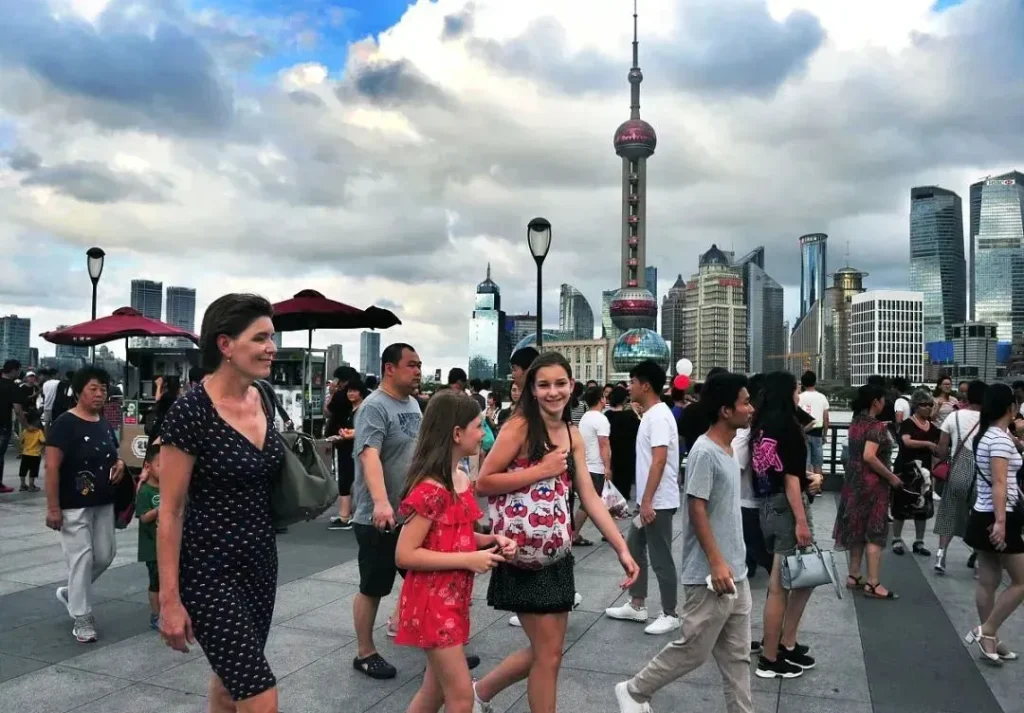
- Beat the Crowds: The Bund is a major tourist hotspot, especially crowded on weekends and holidays. If possible, try to visit on a weekday. Early mornings and late nights are generally less crowded.
- Photo Ops: Huangpu Park, near Waibaidu Bridge, and The Bund’s viewing platforms are excellent photo spots. The light is softer in the early morning and late afternoon for architectural shots. For night photography, a tripod will help you get clearer images.
- Stay Safe: Look after your valuables, be mindful of your footing, and pay attention to traffic. Dress according to the weather.
Conclusion: The Bund, Shanghai’s Timeless Allure
The Bund in Shanghai is more than just frozen history; it’s an active masterpiece. It has witnessed Shanghai’s transformation from a small fishing village to an international metropolis and carries the city’s spirit and dreams. Whether you’re admiring the artistic charm of its “Gallery of Nations’ Architecture” or indulging in its dazzling night views, The Bund leaves a lasting impression on every visitor. It’s the perfect window to understand Shanghai’s history and culture and to feel the pulse of this modern city, waiting for you to explore and experience it firsthand. This is a top recommendation for things to do in Shanghai!