Unearthed accidentally in 1974 by local farmers digging a water well, Emperor Qinshihuang’s Terracotta Army (秦始皇兵马俑) in Lintong District, Xi’an, stands as one of the most astonishing archaeological discoveries of the modern era. Commissioned over 2,200 years ago to guard the afterlife of China’s first unifier, this subterranean garrison contains over 8,000 life-sized warriors, chariots, and horses—each bearing unique facial contours, hairstyles, and military rank insignia.
At a Glance: Terracotta Army Visitor Essentials
Location: Lintong District, Xi’an (approx. 40 km northeast of city center)
Admission Ticket: 120 RMB per person (includes Emperor Qinshihuang Mausoleum Site Park)
Opening Hours: 8:30 AM to 6:00 PM (March to November) / 8:30 AM to 5:30 PM (winter)
Passport Requirement: Physical original passport mandatory for real-name turnstile entry
Recommended Visit Time: 3.5 to 4.5 hours (museum complex plus mausoleum park)
1. The Reverse Crowd Strategy: Pits 3, 2, 1 and Bronze Chariots
Most large tour groups enter the site and rush directly into Pit 1, creating dense bottlenecks around the front observation railings between 9:30 AM and 1:30 PM. To experience the museum with clearer vantage points and photograph the terracotta figures comfortably, adopt this proven reverse sequence:
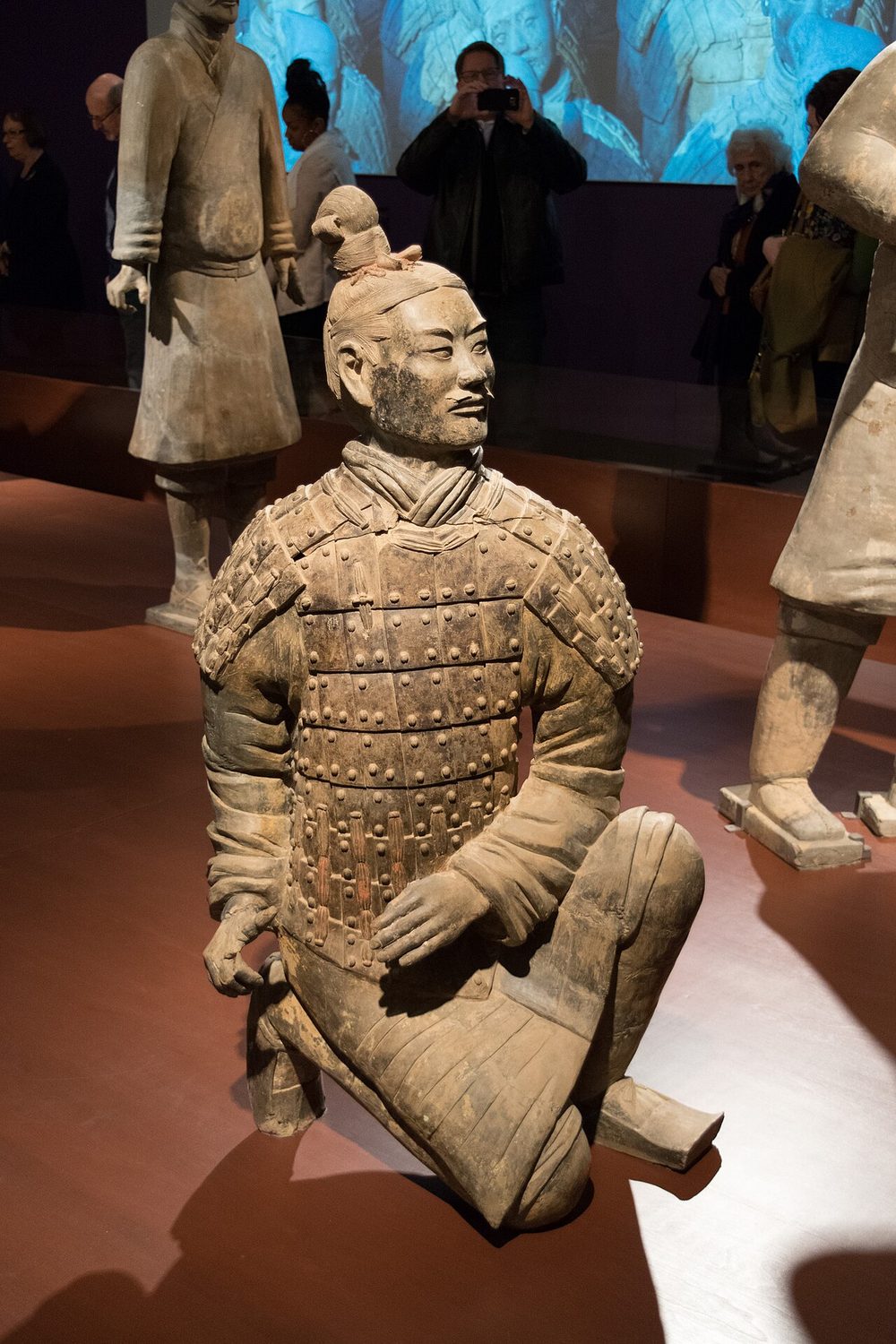
The masterfully preserved Kneeling Archer showcases intricate details in boot soles, armor plates, and hair braiding.
Start at Pit 3 (The Command Center): Pit 3 is the smallest pit (approx. 520 square meters) but the most tactically significant. Arranged in a U-shape, it served as the military headquarters commanding the entire imperial garrison. Here you can closely view high-ranking terracotta officers, ceremonial battle guards, and an unpainted ceremonial war chariot with four bronze horses without jostling through crowds.
Proceed to Pit 2 (Cavalry, Chariots & Archery Units): Discovered in 1976, Pit 2 holds an estimated 1,400 warrior figures showcasing specialized military arms: kneeling crossbow archers, standing bowmen, armored cavalry with saddled warhorses, and battle charioteers. Pit 2 features individual glass display cases housing pristine figures up close, including the famous Kneeling Archer with intact shoe-sole tread patterns and woven hair knots.
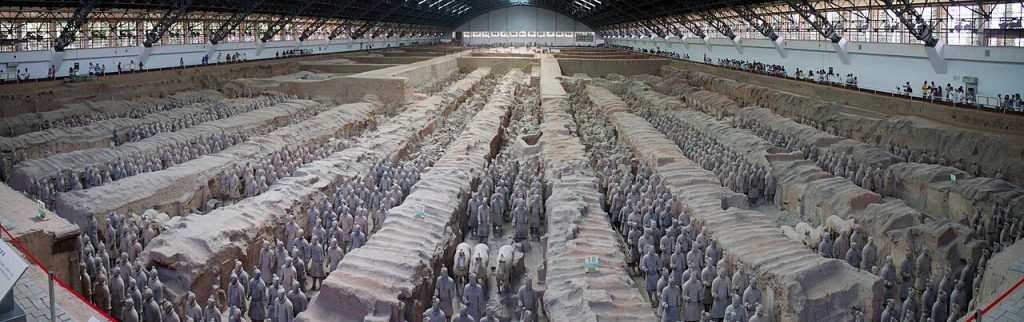
Experience Pit 1 (The Main Imperial Army): Now enter the cavernous hangar of Pit 1. Measuring 230 meters long and 62 meters wide, this colossal excavation hall contains over 6,000 soldiers and horses arranged in 11 parallel battle columns. Walking around the perimeter catwalks allows you to appreciate the awe-inspiring scale of the vanguard infantry standing tall in ranks. At the rear of Pit 1, observe on-site archaeologists actively piecing together newly unearthed clay fragments in their working restoration hospital.
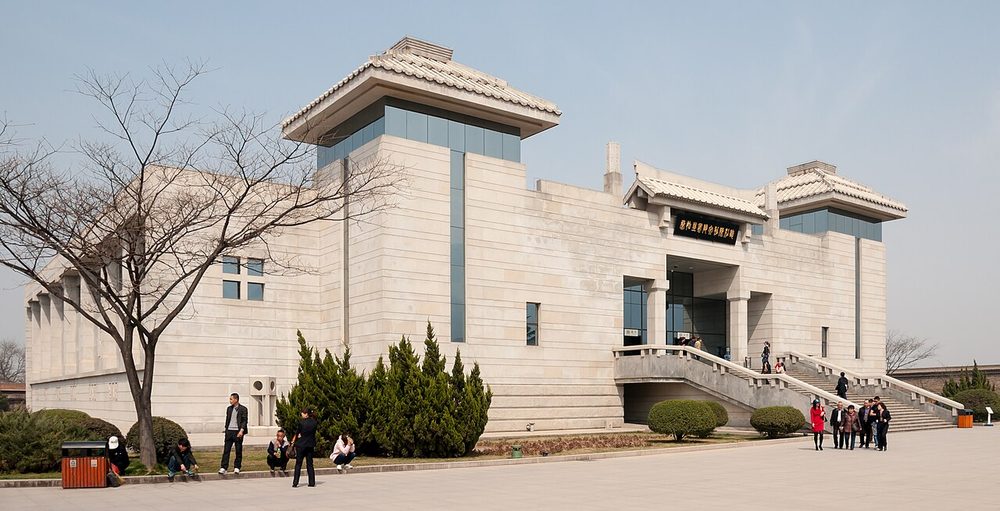
Exhibition Hall of Bronze Chariots and Horses: Conclude your museum tour by visiting the dedicated museum building displaying two half-scale bronze imperial carriages unearthed just 20 meters west of the emperor’s burial mound. Engineered with intricate mechanical gears, folding umbrella canopies, and gold-and-silver plated bridles, these chariots represent the apex of ancient Chinese metallurgy.
2. Transportation from Downtown Xi’an: Metro & Buses
Independent travelers can reach the museum easily without booking an expensive package tour or navigating tour bus itineraries:
Subway + Local Bus (Most Reliable Public Route): Take Xi’an Metro Line 9 to its eastern terminus at Huaqingchi Station (华清池站) (accessible by transferring from Line 1 at Fangzhicheng Station). Take Exit C. Directly outside the exit, transfer to Lintong Local Tourist Bus No. 5 (临潼游5路 / 613路) or hail a metered taxi for the final 8-kilometer ride to the museum entrance plaza (approx. 15 minutes, 15 to 20 RMB by taxi). Total transit time from central Bell Tower is around 65 minutes and costs less than 15 RMB.
Official Direct City Bus (Tourist Bus No. 5 / 306): From Xi’an Railway Station East Square, official green public buses (Bus 306) depart every 10 minutes directly to the Terracotta Army (approx. 50 minutes, 9 RMB). Pay on board using small cash or the Alipay Xi’an transit QR code.
Ride-Hailing / DiDi: A direct DiDi taxi from central Xi’an (Bell Tower or Muslim Quarter) to the museum ticket entrance takes approximately 45 to 55 minutes via the expressway and costs 110 to 140 RMB each way. This is an efficient, hassle-free choice for couples or families with luggage.
3. Booking Tickets & Avoiding Phony Tour Scams
Navigating the ticketing process and avoiding persistent touts outside Xi’an transit hubs requires vigilance:
Advance Online Ticket Reservations: Daily visitor capacity is strictly capped. Independent foreign travelers must reserve entry slots up to 7 days in advance via the official museum WeChat Mini-Program or trusted international ticketing portals like Trip.com using their real passport details. There are no paper tickets; your physical original passport is scanned directly at turnstiles for entry.
Beware Unauthorized Touts at Railway Stations: When arriving at Xi’an Railway Station, aggressively persistent touts wearing blue uniforms or lanyard badges may approach you claiming that “Pit 1 is closed for cleaning today” or offering a “cheap 30 RMB bus tour.” These are unlicensed operators who drive unsuspecting tourists to fake replica attractions (such as the “Fake Underground Mausoleum” or commercial souvenir emporiums) while pressuring you into expensive herbal medicine or jade purchases. Completely ignore them and walk directly to the official bus stop or summon an app-based DiDi cab.
Audio Guides vs. Certified Docents: Official multilingual electronic audio headsets are available for rent at the visitor center entrance for 30 RMB (with a 200 RMB refundable deposit or WeChat guarantee). If you prefer a human guide, hire only certified, uniformed docents from the official Guide Dispatch Desk inside the ticket gates (approx. 150 to 200 RMB for a bilingual tour), rather than freelance solicitors loitering outside the gates.
4. Visiting the Mausoleum Site Park (Lishan Mound)
Your 120 RMB admission ticket includes complimentary shuttle bus transit to the actual burial mound of Emperor Qinshihuang, located 1.5 kilometers west of the warrior pits at the Lishan Garden (丽山园).
Archaeologists meticulously reconstruct excavated warrior fragments within the active excavation pits.
Free electric shuttles depart every five minutes from outside the Terracotta Warriors exit plaza. At Lishan Garden, visitors walk through landscaped imperial parklands surrounding the unexcavated pyramid-shaped tomb mound, enveloped in ancient pine and cypress trees. You can visit secondary excavation pits displaying the Terracotta Acrobats (Pit K9901) and Stone Armor Pits (Pit K9801), showcasing thousands of interlocking limestone armor plates crafted to protect the imperial guard. Visiting the mausoleum park adds approximately 1 to 1.5 hours to your day trip and offers a serene, wooded escape from the crowded main museum halls.
Scroll to Top
🍪 Cookie & Privacy Notice
We use essential cookies to ensure our travel guides function smoothly and anonymous analytics to improve content. By browsing, you agree to our
Privacy Policy.