

Almost every major museum, historical monument, and scenic park in China now operates under a nationwide real-name reservation system (实名制). Paper ticket kiosks at main gates have largely vanished, replaced by digital ticketing quotas tied directly to national identification numbers. For international travelers carrying foreign passports rather than eighteen-digit Chinese citizen ID cards, this digital transition often causes confusion before arrival.
Fortunately, China’s cultural tourism bureau requires major venues to accommodate overseas visitors. With an understanding of release schedules, passport input fields, dedicated manual service counters, and authorized booking channels, securing entry to landmark sights across the country is completely manageable.
Key Realities: Booking Tickets in China as a Foreign Tourist
- Always Carry Your Physical Passport: Your actual passport serves as your physical ticket. Electronic screenshots or photocopies are rejected at turnstiles.
- Know the Release Clock: High-demand venues release daily quotas precisely 7 to 14 days in advance at set evening hours (such as 8:00 PM CST).
- Use Manual Staff Lanes at Entrances: Automated turnstiles only read Chinese resident ID cards. Foreigners must always enter through the manned “Manual Verification Lane” (人工通道).
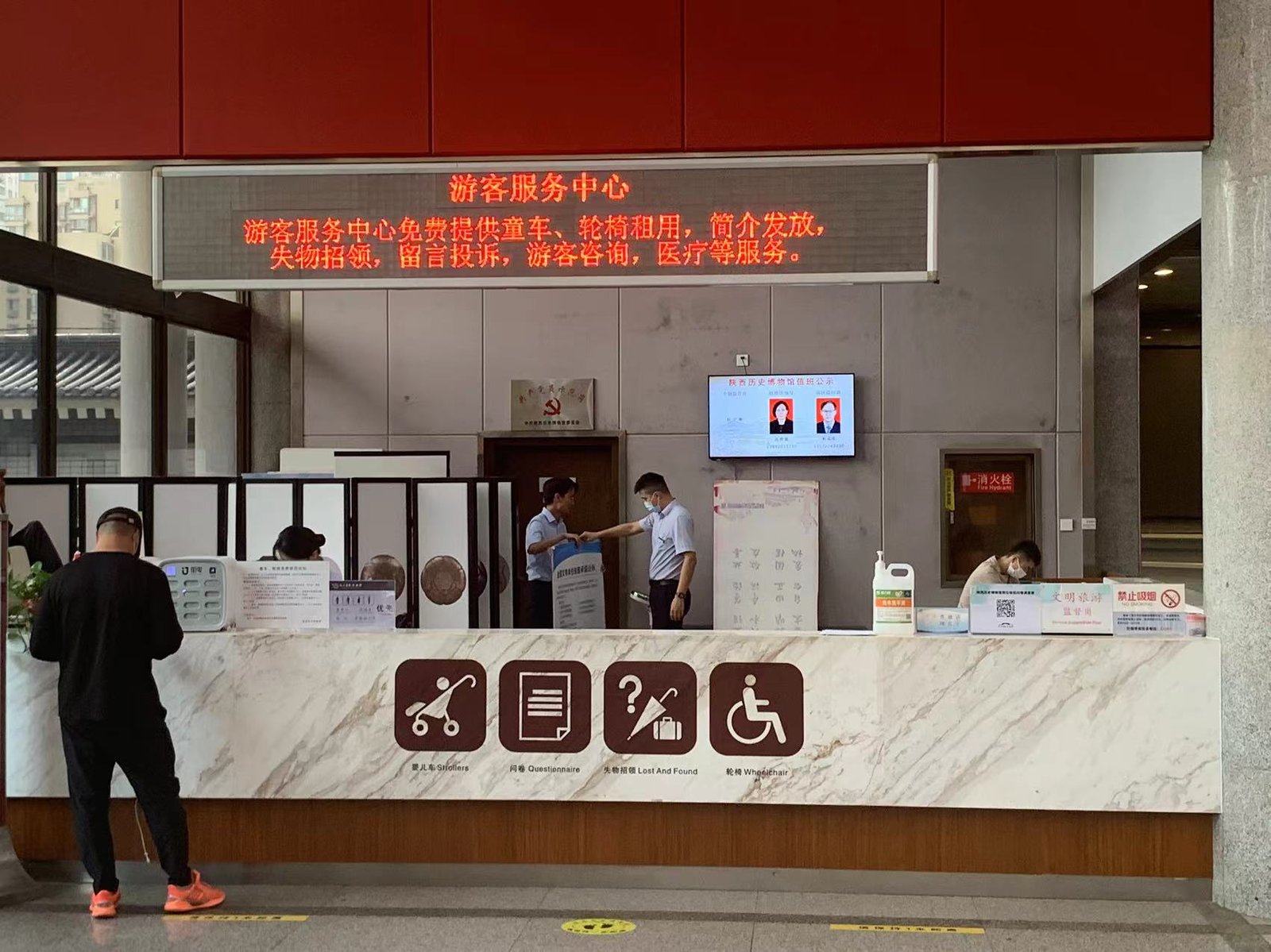
- Look for In-Person Foreigner Counters: Venues like the National Museum in Beijing and Shaanxi History Museum maintain on-site customer service desks for overseas passport holders who miss out online.
1. How the Real-Name System Works for Foreign Passports
China’s real-name ticketing policy requires every visitor to link their full legal name and identification number to an entry slot. For Chinese citizens, scanning a national ID card instantly unlocks the automated optical gate. For international tourists, your passport number replaces the citizen ID.
When entering names during any reservation, enter your legal name exactly as printed on the bottom machine-readable zone (MRZ) of your passport photo page. Do not include commas or middle initials unless the form specifically requests separate surname and given name fields. If the system prompts for a phone number and does not accept international country calling codes, entering your Chinese hotel’s landline or a temporary local eSIM number works consistently.

2. Navigating WeChat Mini-Programs Without Chinese Language Skills
Most provincial museums and national parks host their direct ticket inventories inside WeChat Mini-Programs. While many apps now display an English toggle switch, several still operate exclusively in simplified Chinese. You can navigate them smoothly with a few basic pointers:
- Spotting the ID Dropdown: When adding visitor profiles (常用联系人), tap the document type field (证件类型). Select “护照” (Passport) or “外国护照” (Foreign Passport) instead of the default “居民身份证” (Resident ID Card).
- Using WeChat’s Built-in Screenshot Translation: Take a quick screenshot of any confusing booking page, open the image in WeChat or Apple Photos, and tap the translation icon to view English labels in real time.
- Payment Processing: Official mini-programs accept payments via WeChat Pay or Alipay linked to international Visa and Mastercard credit cards. Transactions under 200 RMB incur zero payment processing surcharges.
3. Booking Windows for China’s Most Competitive Attractions
Securing tickets for top-tier heritage sites requires setting alarms for the exact moment ticket servers refresh daily inventories. Quotas disappear rapidly during summer vacations, golden week holidays, and peak spring travel months:
- The Forbidden City (Palace Museum, Beijing): Opens precisely 7 days in advance at 8:00 PM Beijing Time (CST). The 40,000 daily tickets regularly sell out within ten minutes. All Monday dates remain closed.
- The National Museum of China (Beijing): Opens 7 days in advance at 5:00 PM CST. Entry is completely free of charge, but a confirmed passport reservation is mandatory to pass square security perimeter gates.
- Shaanxi History Museum (Xi’an): Opens 3 days in advance in staggered daily batches at 10:00 AM, 11:00 AM, 6:00 PM, and 7:00 PM CST. Closed on Mondays.
- The Terracotta Warriors (Xi’an): Opens 14 days in advance. Unlike central city museums, inventory is relatively generous, though morning entry slots fill fastest.
- Chengdu Research Base of Giant Panda Breeding: Opens 7 days in advance at 7:00 PM CST. Book the earliest 7:30 AM morning session to observe pandas while they are actively feeding outdoors.
- Mogao Caves (Dunhuang): Opens 30 days in advance at 7:00 AM CST. Securing the “Class A” ticket is essential to visit the digital exhibition hall plus eight original cliffside caves.
4. Using Authorized English Platforms to Bypass Verification Barriers
If you encounter registration errors inside domestic mini-programs or lack an active WeChat wallet, booking through an authorized travel agency is the most practical alternative. Platforms like Trip.com Attraction Tickets connect directly to municipal ticketing networks.
Booking via Trip.com offers clear operational advantages for foreign passport holders: the entire transaction occurs in English, foreign Visa, Mastercard, American Express, and Apple Pay are billed directly without overseas card declines, and customer support operates 24/7 in English. Once purchased, your foreign passport number transmits directly into the venue’s entry database, allowing you to walk straight to the entrance gates on your selected morning.
5. On-Site Foreigner Service Desks: The Last-Minute Savior
What happens if online slots sell out before you can book? In response to international tourism policies, dozens of tier-one cultural institutions have established dedicated on-site foreigner service desks (境外游客综合服务窗口 or 涉外票务服务中心). These counters maintain a small reserve quota specifically for overseas travelers who arrived without advance digital access.
At the National Museum of China in Beijing, overseas travelers holding valid foreign passports and entry visas (or visa-free transit stamps) can visit the customer service desk near the north gate to obtain same-day manual clearance. Similarly, the Shaanxi History Museum in Xi’an and Shanghai Museum operate designated overseas ticket windows on their plaza concourses. Arrive between 8:30 AM and 9:00 AM on weekday mornings, present your physical passport, and staff will register your details on the spot.
6. Passing Through Turnstiles: The Manual Staff Lane
When arriving at any major site, never stand in the standard optical turnstile lanes where domestic visitors are scanning plastic national ID cards or using facial recognition cameras. Machine scanners on these automated gates cannot process foreign passport chips.
Instead, look to the far left or far right of the turnstile array for the staff booth marked “Manual Service / Special Assistance” (人工通道 / 绿色通道). Hand your physical passport directly to the guard. They will swipe the photo page under an optical reader or type your passport number into their handheld terminal. Once the screen flashes green showing your matched reservation, the barrier opens. Keep your passport in an easily accessible front pocket, as secondary security checkpoints inside larger complexes often conduct spot checks along the tour route.