
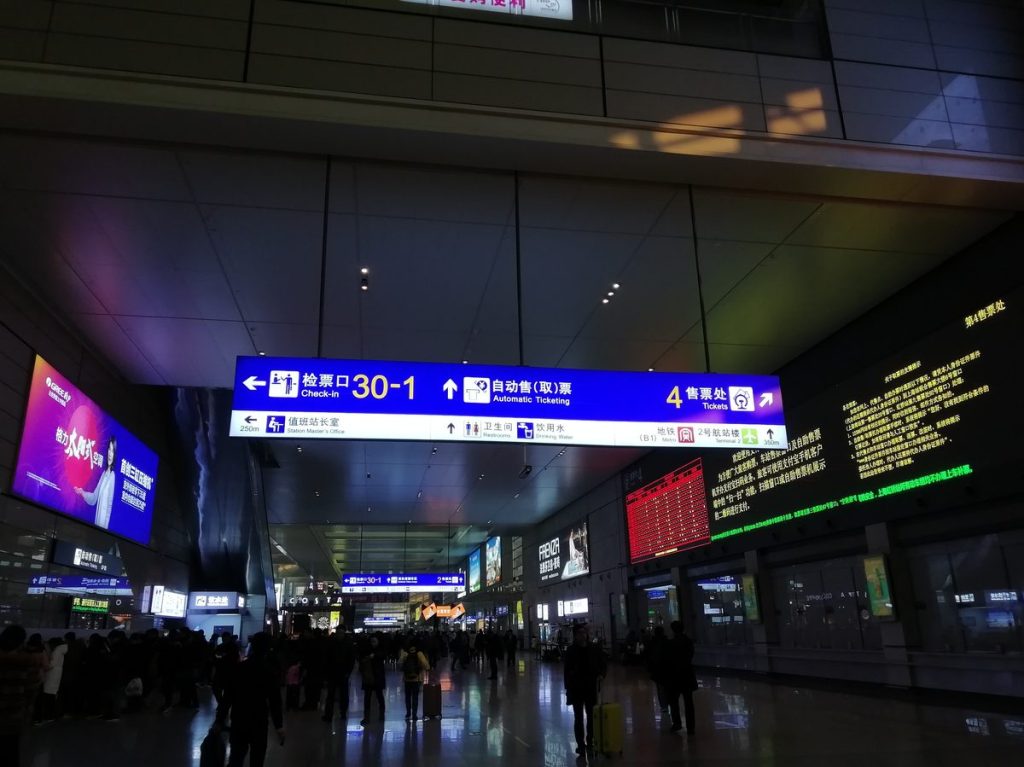
When looking at China’s world-leading high-speed rail map, planning an ambitious journey seems effortless. A bullet train from Beijing to Jinan takes less than two hours, while trains between Shanghai, Hangzhou, and Nanjing run every fifteen minutes like clockwork. However, first-time travelers frequently fall into the same planning trap: mistaking a two-hour train ride for a two-hour transit window. In reality, switching cities in China almost always consumes half a day of your schedule once you account for station scale, security lines, and cross-city transfers.
Understanding this hidden transit friction is the difference between a memorable, rejuvenating journey across China and an exhausting cycle of checking out of hotels and running through gargantuan railway hubs. Here is the realistic door-to-door breakdown of Chinese bullet train travel and how seasoned travelers pace their itineraries to avoid burnout.
China Itinerary Pacing Rules: Key Takeaways
1. The Door-to-Door Reality of a “Two-Hour” Bullet Train
The primary reason newcomers underestimate travel times in China is that Chinese high-speed railway stations are not like historical European train stations situated in central downtown squares. Major hubs—such as Beijing South (北京南站), Shanghai Hongqiao (上海虹桥站), Guangzhou South (广州南站), and Chengdu East (成都东站)—are massive modern transport centers comparable in size, passenger volume, and operating procedures to major international airports.
When you take a two-hour train ride, the actual journey unfolds across six distinct phases:
| Stage | Activity & Friction Factor | Realistic Duration |
|---|---|---|
| 1. Hotel to Station | Checking out, hailing a taxi or riding the subway from downtown to the outer rail hub with luggage. | 45–60 minutes |
| 2. Entry & Security | Locating the manual passport verification line (人工通道) and placing bags through airport-grade X-ray machines. | 20–30 minutes |
| 3. Concourse Navigation | Walking across an enormous waiting hall (often 300 to 500 meters long), finding your boarding gate, and joining the queue. | 20–30 minutes |
| 4. The Train Ride | Cruising at 300 to 350 km/h in comfortable second or first-class seating. | 120 minutes (2.0 hrs) |
| 5. Arrival & Station Exit | Disembarking, navigating long underground corridors, and standing in taxi lines or catching connecting metro lines. | 30–45 minutes |
| 6. Transit to New Hotel | Traveling to your accommodation and completing passport registration at the front desk. | 45–60 minutes |
| Total Door-to-Door | Actual time committed for a nominal 2-hour rail journey. | 5 to 6 Hours |
If you depart your hotel at 9:00 AM, you will rarely settle into your room in the next city before 2:30 PM or 3:00 PM. By that point, half of your daylight hours are gone, your physical energy has dropped, and rushing out to tour a sprawling UNESCO historical site will feel more like an obligation than an adventure.

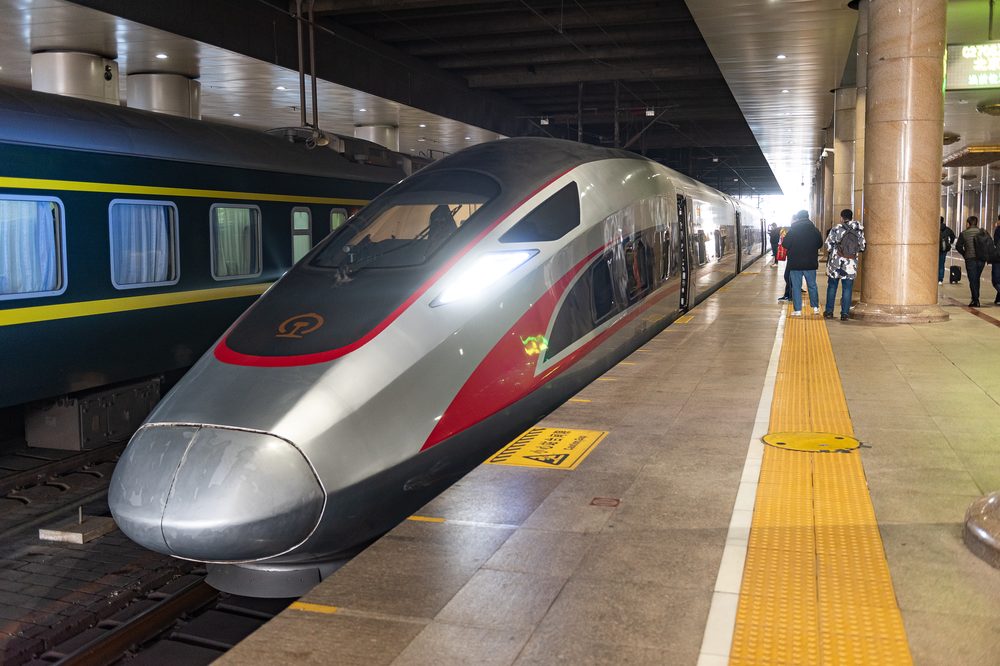
2. The “Special Forces” Pitfall: Why Rushing 6 Cities in 10 Days Fails
On social media and travel planning forums, ambitious itineraries frequently crop up: ten days covering Beijing, Xi’an, Chengdu, Chongqing, Zhangjiajie, and Shanghai. In China, this hyper-condensed travel style is popularly known as “Special Forces Tourism” (特种兵式旅游, Tèzhǒngbīng Shì Lǚyóu). While younger domestic students occasionally tackle these whirlwind weekend trips, it is an ill-advised strategy for international visitors.
Changing cities every forty-eight hours introduces compounding friction that steadily wears you down:
• Luggage Drag and Physical Fatigue: Every transfer requires re-packing bags, hauling heavy suitcases through turnstiles and onto transfer buses, and navigating multi-level train stations. Doing this twice a week is manageable; doing it five times in ten days turns your holiday into unpaid logistics work.
• The Check-In and Check-Out Window Gap: Most Chinese hotels follow strict 12:00 PM check-out and 2:00 PM check-in schedules. Frequent relocations leave you carrying luggage during the middle of the day or paying extra for temporary storage lockers, fracturing your afternoon sightseeing blocks.
• Zero Resiliency for Minor Hiccups: Jet lag, an upset stomach from adjusting to regional spices, sudden rainstorms, or missing a sold-out attraction slot can throw off an entire trip if your calendar has zero margin. When every single day is tightly scheduled, one small disruption cascades through all subsequent bookings.
• Shallow Cultural Engagement: China’s most memorable impressions happen outside of gated landmark courtyards: wandering through morning wet markets, sampling hand-pulled noodles down residential alleyways, drinking tea in community parks, or watching evening square dancing along river promenades. You cannot experience these everyday cultural rhythms if you only see cities through taxi windows on your way to another railway terminal.

3. The Hub-and-Spoke Solution: Travel Further with Less Luggage
The smartest alternative to continuous city-hopping is the Hub-and-Spoke strategy. Instead of packing your bags and switching accommodations every night, establish a base in a tier-one regional hub for four to five consecutive nights, taking advantage of China’s dense regional bullet train network for day trips with nothing more than a light backpack.
Because high-speed trains operate with airplane-level reliability and high frequencies, you can leave your primary luggage in your hotel room, board a morning train, explore a historic canal town or sacred mountain, and return in time for dinner.
Consider how easily this works in China’s major travel corridors:
• The Yangtze River Delta Hub (Base: Shanghai): Stay four nights at a central hotel along the Huangpu River. Take a twenty-five-minute bullet train to Suzhou to tour classical UNESCO gardens and the Pingjiang Road canals, or a forty-five-minute train to Hangzhou for a morning cycle around West Lake. You experience three distinct cities while checking into only one hotel.
• The Sichuan Basin Hub (Base: Chengdu): Make Chengdu your base for four nights. Ride the local intercity high-speed train thirty minutes to the ancient Dujiangyan Irrigation System and Mount Qingcheng, or forty-five minutes south to the Leshan Giant Buddha. Return to Chengdu each evening to enjoy Sichuan hotpot without dragging suitcases across platform staircases.
• Forwarding Heavy Bags via SF Express: If you must make an extended point-to-point journey across the country, take advantage of domestic courier infrastructure. Services like SF Express (顺丰速运, Shùnfēng Sùyùn) allow you to forward your large suitcases directly from your current hotel reception to your destination hotel for roughly 50 to 100 RMB ($7 to $14 USD) per bag. Traveling light on transfer days eliminates station baggage struggles entirely.
4. Designing a Balanced 14-Day China Route
For a first-time trip lasting twelve to fourteen days, the golden standard among travel planners is the “Golden Triangle Plus One” model. This route limits your destinations to three or four core bases, ensuring at least three full nights in each location:
• Beijing (4 Nights): Imperial heritage, the Forbidden City, the Summer Palace, and an unhurried morning excursion to the Mutianyu Great Wall. The four-night buffer allows your body to comfortably overcome jet lag during your first forty-eight hours.
• Xi’an (3 Nights): Connect via a 4.5-hour bullet train on the Beijing-Xi’an corridor. Spend one day at the Terracotta Warriors, another cycling the ancient Ming City Wall, and your evenings grazing through the vibrant Muslim Quarter.
• Chengdu OR Guilin (3 Nights): Fly or take a morning high-speed train south. In Chengdu, visit the Giant Panda Breeding Base and soak in teahouse culture. Alternatively, head to Guilin and Yangshuo to drift along the karst limestone peaks of the Li River.
• Shanghai (3 Nights): Complete your journey in China’s commercial capital. Explore Art Deco architecture along the Bund, wander the leafy boulevards of the Former French Concession, and take an effortless day trip into nearby water towns before your international departure flight.
How to Treat Transfer Days: When moving between these major hubs, deliberately treat transit days as recovery days. Schedule mid-morning departures so you do not have to wake up at 5:00 AM. Once you arrive at your new accommodation in the mid-afternoon, unpack, take a shower, run a load of laundry, and spend the evening enjoying an unhurried local dinner or a traditional foot reflexology massage. Protecting these quiet evenings ensures you stay energized and curious for the duration of your journey.
Essential China Inbound Travel Guides
- Navigating China’s High-Speed Train Stations: Security, Gates & Luggage Guide
- How to Book China Train Tickets Directly on the Official 12306 Platform
- China Bullet Train Seat Classes: Second vs First vs Business Class Compared
- Suzhou in 1 Day from Shanghai: Classical Gardens, Pingjiang Road and Canal Gondolas
- How Foreigners Use DiDi Ride-Hailing in China: Pickup Zones and Payment Setup
- Can Foreigners Stay at Any Hotel in China? Registration Rules and Booking Tips