
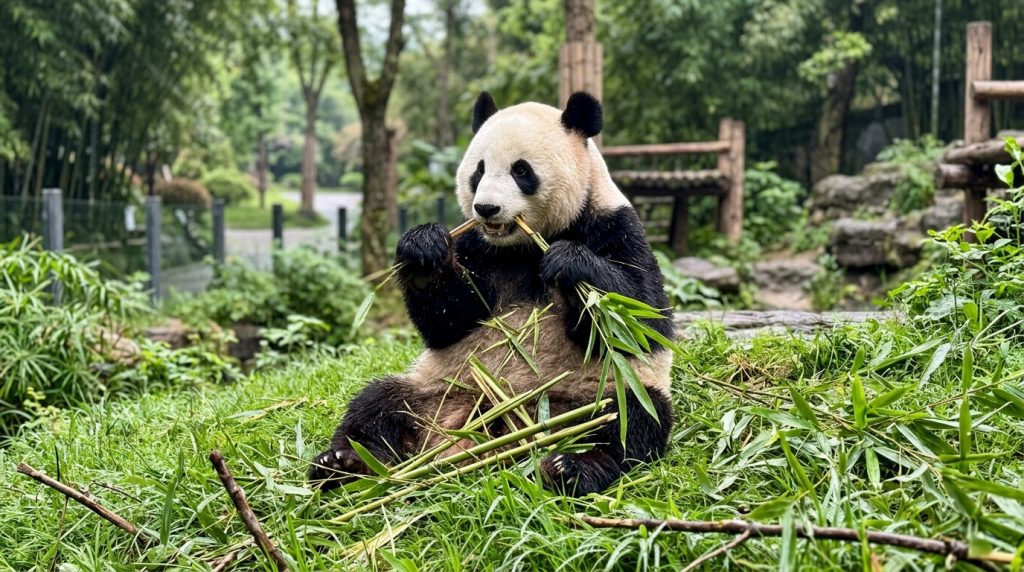
Known across the globe as the hometown of giant pandas and the capital of fiery Sichuan cuisine, Chengdu is frequently celebrated by international travelers as China’s most laid-back and rewarding destination. Beyond observing cuddly pandas munching bamboo, Chengdu invites visitors into a sensory wonderland of leafy teahouses, UNESCO culinary heritage, ancient Daoist mountains, and vibrant nightlife.
Whether you’re visiting under China’s 144-hour visa-free transit scheme or including Sichuan on a broader China itinerary, this complete 2026 insider guide covers everything from navigating the Panda Base before the crowds arrive to ordering authentic hotpot like a local.
Quick Facts: Visiting Chengdu (2026)
1. Chengdu Research Base of Giant Panda Breeding: How to Beat the Crowds
Located just 10 kilometers north of downtown Chengdu, the Chengdu Giant Panda Breeding Base (成都大熊猫繁育研究基地) is home to over 200 giant pandas and adorable red pandas. To have the best experience, timing is critical.
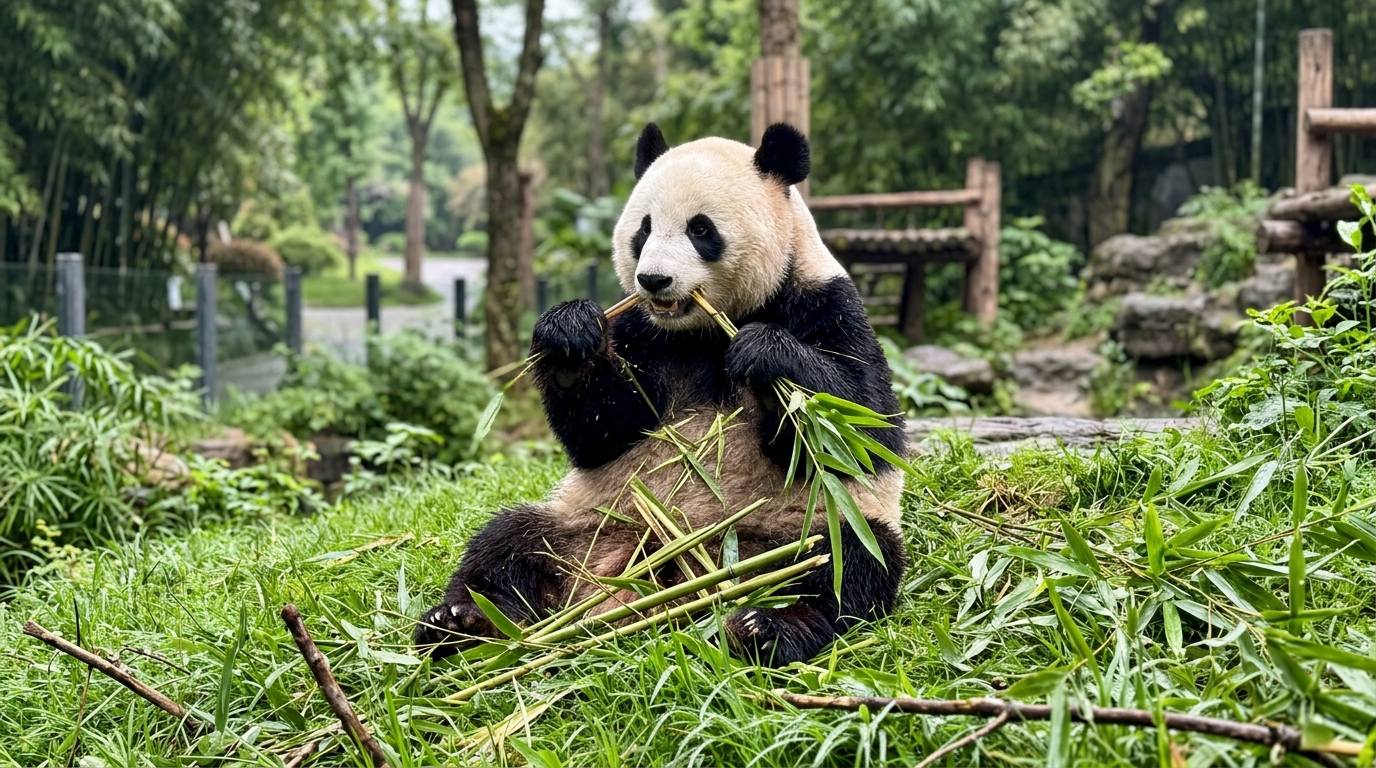
- Golden Rule — Arrive Early: Pandas are most energetic during their morning feeding between 7:30 AM and 9:30 AM. In the afternoon heat, they retreat indoors to sleep. Set your alarm and aim to arrive at the gates by 7:30 AM.
- West Gate vs. South Gate: The Base has two main entrances. The South Gate is closest to the historic park area and Sunshine Nursery. The newer West Gate connects directly to the futuristic Panda Tower and expanded valleys. If taking a DiDi taxi, dropping off at the West Gate often avoids morning traffic.
- Seeing Baby Pandas (Nursery): Head straight to the Moonlight and Sunshine Nurseries (月亮产房 / 太阳产房) early to view newborn panda cubs sleeping in temperature-controlled incubators or playing together.
- Can You Hug a Panda? No. For animal welfare and safety reasons, physical panda holding experiences have been discontinued nationwide. Observation from elevated wooden walkways is unobstructed.
2. Sichuan Culinary Survival: How to Order Hotpot Without Burning Your Tongue
Chengdu is designated a UNESCO City of Gastronomy. Sichuan cuisine is famous for Málà (麻辣)—a signature combination of numbing Sichuan peppercorns and aromatic red chilies.
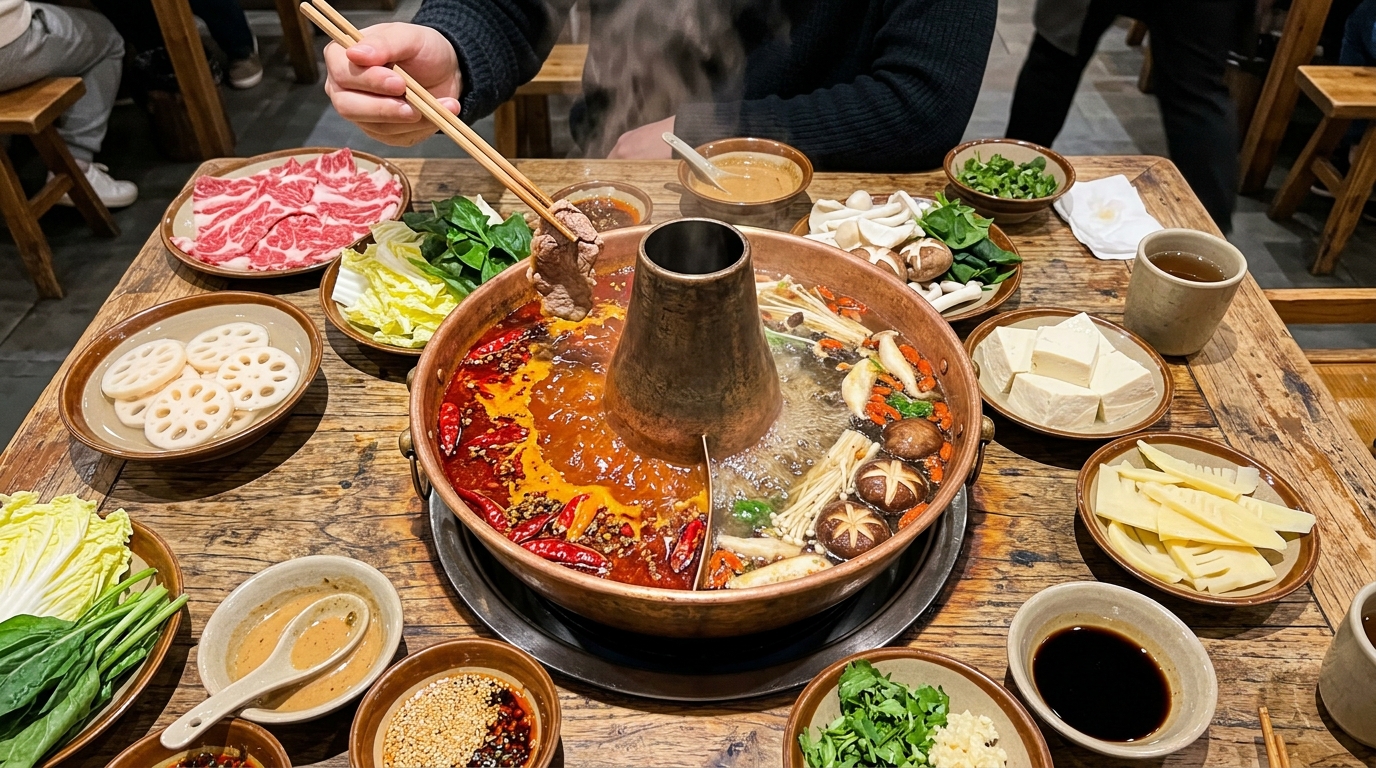
- Order a Yuanyang Pot (鸳鸯锅): If you are sensitive to spice, always order a split pot with half spicy red broth (红汤) and half soothing mushroom or bone broth (清汤 / 菌汤).
- Specify “Micro-Spicy” (微辣 – Wēilà): Even regular spice in Sichuan can be intense for Western palates. Tell your server “Wēi Là” for a gentle, flavorful heat.
- The Sesame Oil Dip Trick: Traditional Sichuan hotpot uses a dipping sauce of pure sesame oil, crushed garlic, and cilantro. The sesame oil coats your tongue and stomach, reducing the heat intensity significantly.
- Must-Try Street Delicacies: Beyond hotpot, make sure to taste Dan Dan Noodles (担担面), Mapo Tofu (麻婆豆腐 at Chen Mapo), sweet crispy Zhong Dumplings (钟水饺), and Guokui (crispy spiced pork meat pie).
3. Experiencing Chengdu’s Teahouse & “Slow Life” Culture
The Chinese proverb says: “Young people should not come to Chengdu, for it is so comfortable they will lose their ambition.” Chengdu’s leisure lifestyle is centered around historic open-air teahouses.
- People’s Park (人民公园 – Heming Teahouse): Sit under ancient bamboo trees on woven wicker chairs, order a cup of Jasmine tea (Moli Hua Cha) in a lidded porcelain Gaiwan cup, and watch locals play Mahjong, practice calligraphy on pavements, and dance.
- Traditional Ear Cleaning (采耳 – Cǎi’ěr): Inside the teahouses, licensed practitioners use vibrating tuning forks and peacock feathers to provide a uniquely relaxing ear-cleaning massage.
- Kuanzhai Alley & Jinli Pedestrian Street: Restored Qing Dynasty courtyard alleys lined with folk craft shops, Sichuan opera face-changing performance theaters, and evening cocktail bars.
4. Best Day Trips from Chengdu
Leshan Giant Buddha (乐山大佛)
A 71-meter stone Buddha carved directly into a riverside cliff in the 8th century. Reachable in just 50 minutes via bullet train from Chengdu East station to Leshan.
Dujiangyan & Mount Qingcheng
The world’s oldest non-dam irrigation engineering marvel (256 BC) alongside Mount Qingcheng, the lush misty birthplace of Daoism. 30 minutes by intercity train from Xipu station.
Related Guide: Check our in-depth practical advice on complete China Giant Panda travel guide.