
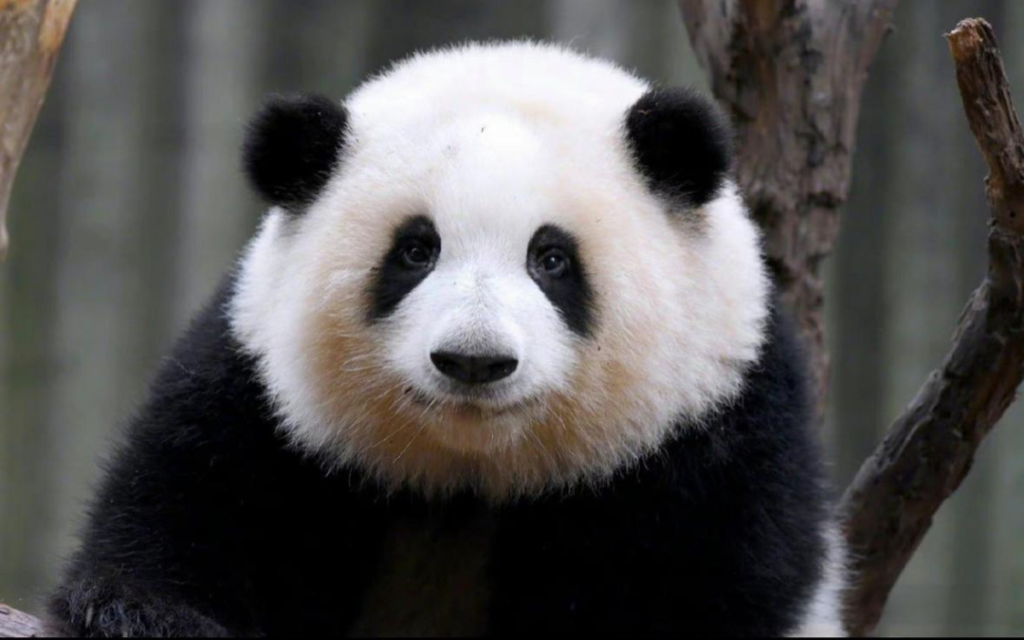
Introduction to Giant Pandas
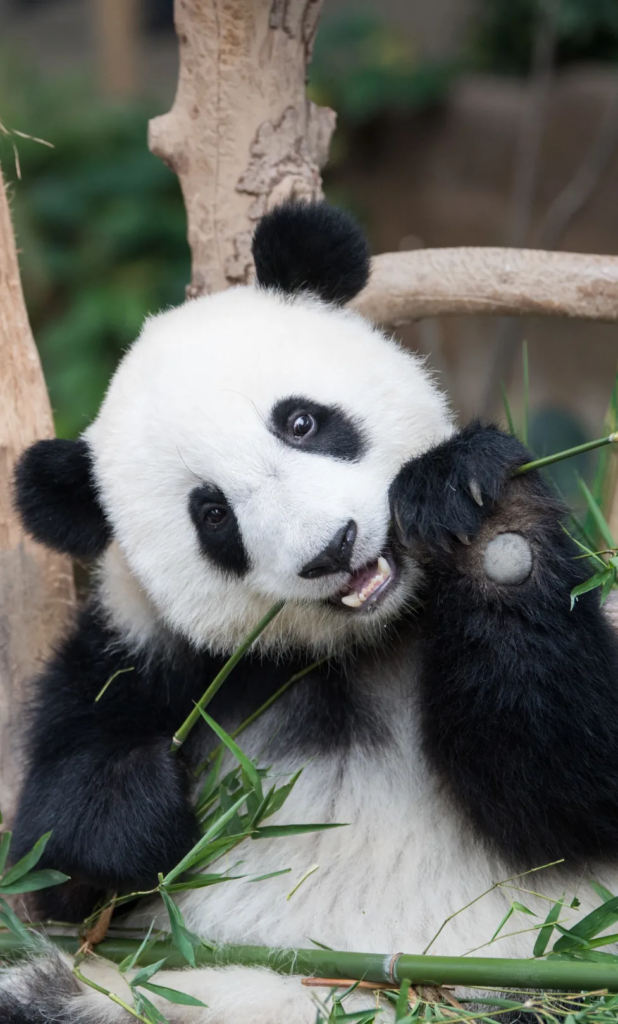
Hey there! If you’re a fan of adorable china pandas, you’re in for a treat. The giant panda (大熊猫) is undoubtedly one of the most beloved and recognizable animals in the world. With their distinctive black-and-white fur and charming demeanor, it’s no wonder they’ve captured hearts globally. Native to the mountainous regions of 四川 (Sichuan), 陕西 (Shaanxi), and 甘肃 (Gansu) in China, these cuddly creatures thrive in environments where bamboo, their primary food source, grows abundantly. As China’s national treasure, giant pandas hold immense cultural and ecological significance, symbolizing both the country’s rich heritage and its commitment to wildlife conservation.
Panda Habitats and Conservation
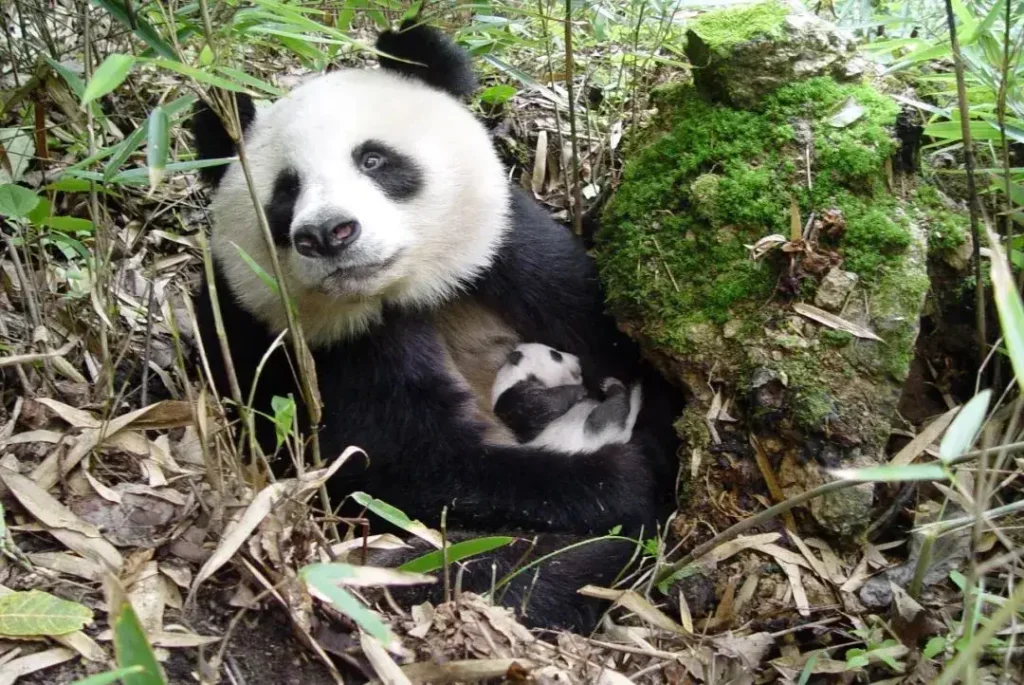
Giant pandas primarily reside in high-altitude bamboo forests, where the cool, misty climate provides the perfect setting for bamboo to flourish. Bamboo isn’t just a favorite snack for pandas—it makes up about 99% of their diet. They munch on various types like 大箭竹 (Dajian Bamboo) and 华西箭竹 (Huaxi Bamboo), ensuring they get the nutrients they need to stay healthy. However, habitat loss and limited bamboo availability once pushed these gentle giants to the brink of extinction.
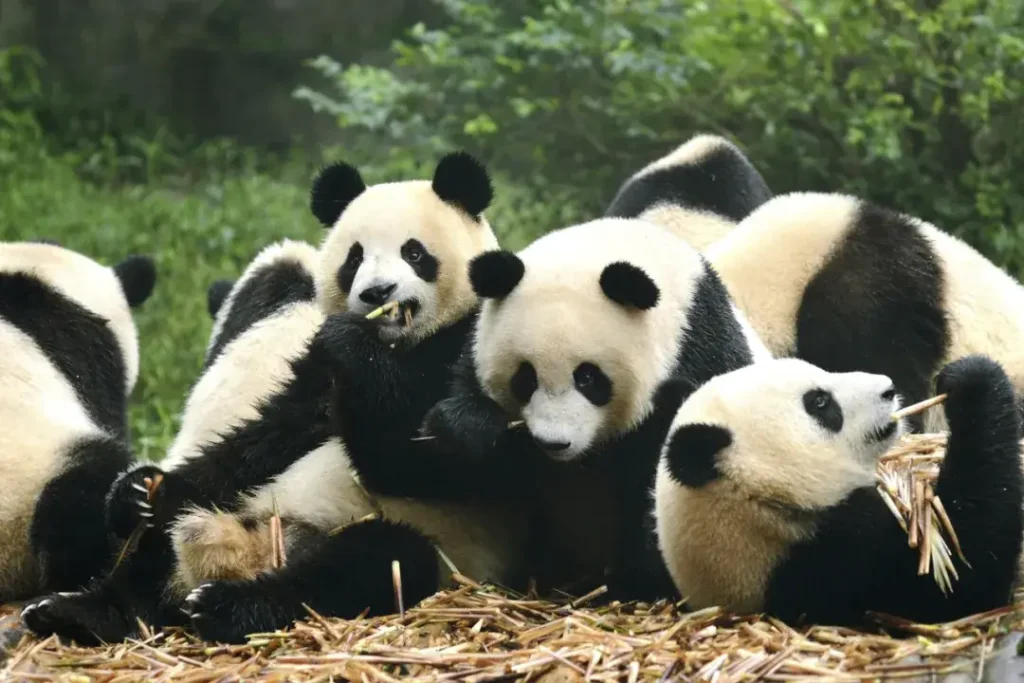
Thankfully, conservation efforts have made significant strides. The Chinese government, alongside international organizations, has established numerous reserves and zoos dedicated to protecting and breeding giant pandas. Breeding programs in places like the 成都大熊猫繁育研究基地 (Chengdu Research Base of Giant Panda Breeding) and the 卧龙大熊猫繁育中心 (Wolong Panda Breeding Center) have helped increase panda populations. Today, thanks to these dedicated efforts, the status of giant pandas has improved, giving hope for their continued survival in the wild.
Best Places to See Giant Pandas
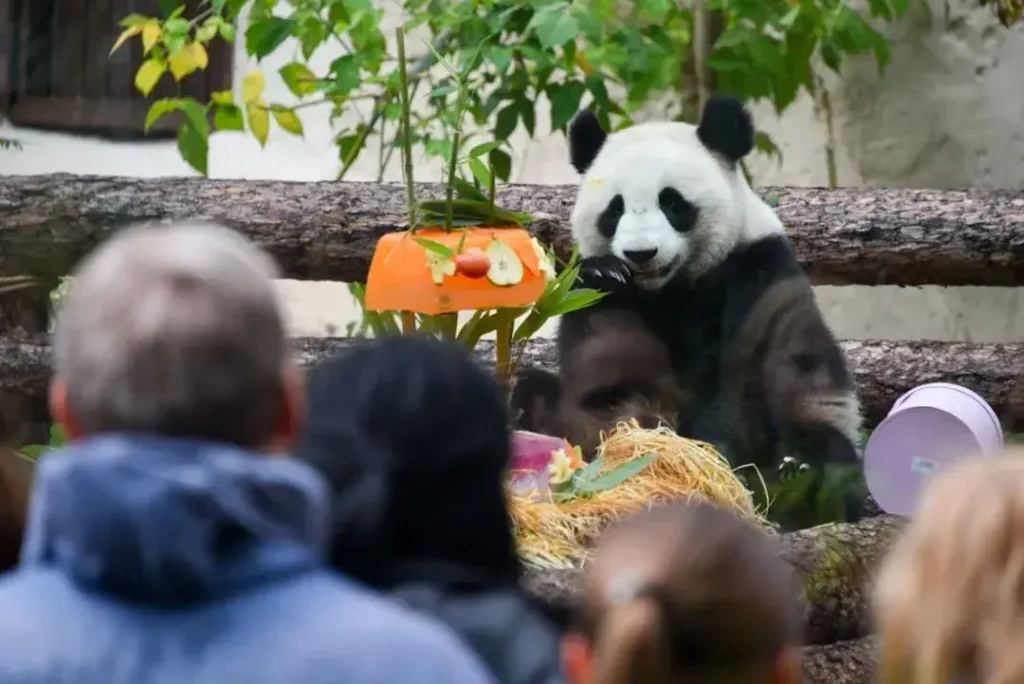
Wondering where to find pandas in China? You’re in luck! China features a variety of zoos and wildlife parks where you can meet these cute pandas up close. Here are some top spots across different regions:
East China
山东 (Shandong Province) offers several great locations:
- 济南动物园 (Jinan Zoo): Meet pandas like 华奥 (Hua’ao) and 雅吉 (Yaji).
- 青岛动物园 (Qingdao Zoo): Check out 乐水 (Leshui) and 贝贝 (Beibei).
- 临沂动植物园 (Linyi Zoo): Although 融融 (Rongrong) has returned home, you can still see 银柯 (Yinke).
Over in 江苏 (Jiangsu Province):
- 南京红山森林动物园 (Nanjing Hongshan Forest Zoo): Home to 和和 (Hehe) and 九九 (Jiujiu).
- 苏州太湖国家湿地公园 (Suzhou Taihu National Wetland Park): Visit 新月 (Xinyue) and 竹韵 (Zhuyun).
South China
Head down to 广东 (Guangdong Province):
- 长隆野生动物世界 (Chimelong Safari Park) in 广州 (Guangzhou): Meet pandas like 菊笑 (Juxiao) and the adorable triplets 萌萌 (Mengmeng), 帅帅 (Shuai Shuai), and 酷酷 (Ku Ku).
- 深圳野生动物园 (Shenzhen Wildlife Zoo): Say hello to 秋浜 (Qiubang) and 圆舟 (Yuanzhou).
Central China
In 湖北 (Hubei Province):
- 武汉动物园 (Wuhan Zoo): Home to pandas 盟盟 (Mengmeng) and 武林 (Wulin).
And in 湖南 (Hunan Province):
- 凤凰中华大熊猫苑 (Phoenix China Giant Panda Garden): Spot pandas like 龙昇 (Longsheng) and 清风 (Qingfeng).
North China
If you’re in 北京 (Beijing):
- 北京动物园 (Beijing Zoo): One of the oldest zoos, where you can see pandas like 萌兰 (Menglan) and 萌宝 (Mengbao).
Southwest China
No panda adventure is complete without a visit to 四川 (Sichuan Province):

- 成都大熊猫繁育研究基地 (Chengdu Research Base of Giant Panda Breeding): Meet 花花 (Hua Hua) and 泰山 (Taishan).
- 卧龙大熊猫繁育中心 (Wolong Panda Breeding Center): Home to over 60 pandas, including 华星 (Huaxing).
Visiting Tips
Planning a trip to see pandas where in China? Here are some tips to make your visit enjoyable and respectful:
- Book Tickets in Advance: Many panda reserves and zoos, like the 成都大熊猫繁育研究基地 (Chengdu Research Base of Giant Panda Breeding), require book your tickets in advance, especially during peak seasons. Don’t wait until the last minute!
- Respect the Pandas: Remember, pandas are sensitive creatures. Avoid making loud noises and Don’t shoot with the flash on to keep their environment peaceful. This helps ensure the pandas remain calm and stress-free.
- Learn About Conservation: Join guided tours to gain insights into panda conservation efforts and their natural habitats. It’s a great way to appreciate the hard work that goes into protecting these animals.
- Wear Comfortable Clothing: Most panda spots involve a lot of walking, so wear comfy shoes. Don’t forget sun protection and insect repellent to stay comfortable throughout your visit.
- Follow Park Rules: Always adhere to the guidelines set by the park or zoo. This includes not feeding the pandas and keeping a safe distance to ensure both your safety and the pandas’.
Cultural Significance of the Giant Panda
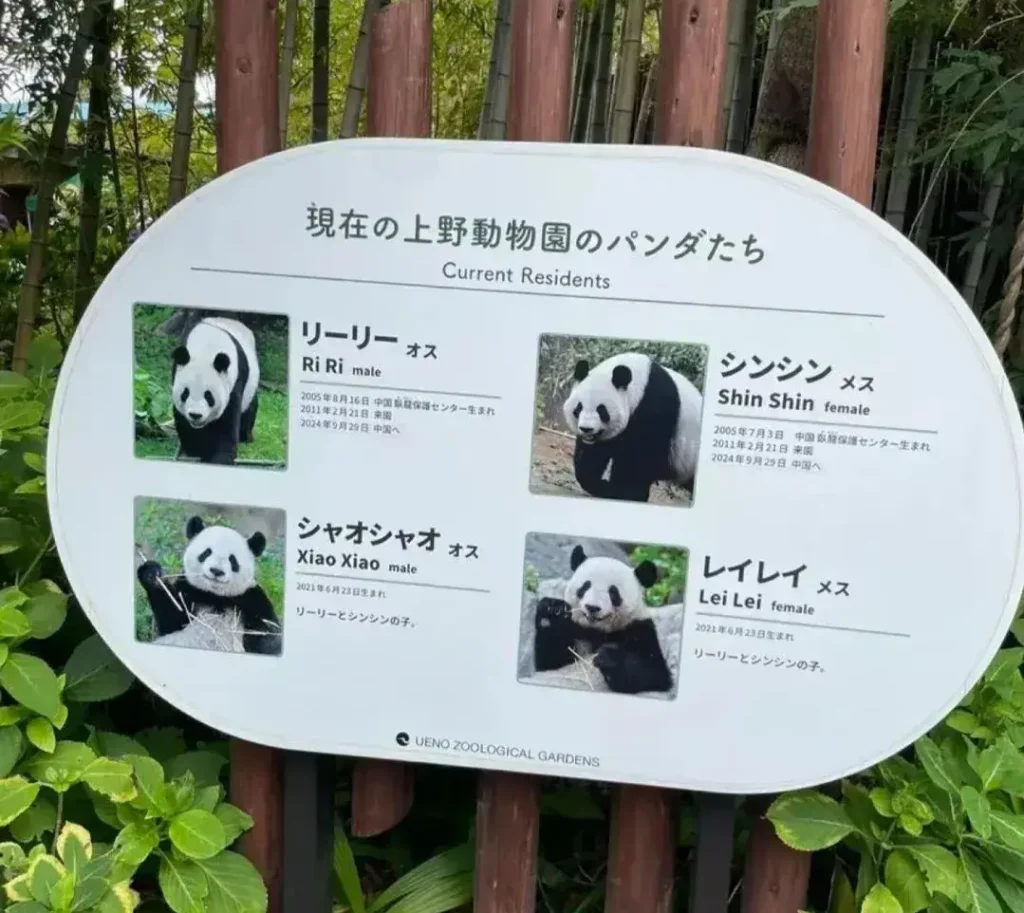
Giant pandas aren’t just adorable—they’re also a powerful symbol in Chinese culture. As a national treasure, they represent peace and friendship. This is evident in the practice of “熊猫外交 (panda diplomacy),” where China loans pandas to other countries to foster diplomatic relations. Pandas like 萌萌 (Mengmeng) and 圆宝 (Yuánbǎo) often become international celebrities, bridging cultures and bringing people together.

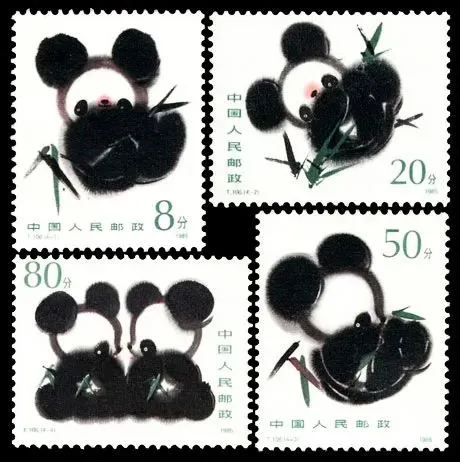
Beyond diplomacy, pandas feature prominently in Chinese art, literature, and even branding. Their image is used in everything from stamps to mascots, embodying the spirit and beauty of China’s natural heritage. By supporting panda conservation, you’re also contributing to the preservation of an important cultural icon.
Whether you’re traveling through 东南 (East China), exploring the vibrant 南方 (South China), or venturing into the heartland of 西南 (Southwest China), there are countless opportunities to encounter these lovable china pandas. By visiting responsibly and supporting conservation efforts, you help ensure that future generations can continue to admire these magnificent creatures. So next time you’re planning a trip to China, make sure to add a panda visit to your itinerary—it’s an experience you won’t forget!