
China consistently ranks among the world’s safest travel destinations for violent crime, but first-time international visitors occasionally encounter opportunistic street scams and inflated tourist pricing in major commercial districts. From persuasive English-speaking strangers in pedestrian plazas to aggressive touts outside airport terminals, knowing what to anticipate ensures a smooth, stress-free adventure.
Most common tourist traps rely on language barriers, jet-lag fatigue, or unfamiliarity with local digital systems. By sticking to licensed transportation queues, understanding the notorious “tea tasting” setup, and purchasing souvenirs from verified state-owned retailers, you can explore bustling urban centers with complete confidence.
Quick Facts: Street Safety & Scam Avoidance in China
1. The Notorious Tea House and Art Student Scheme
The most widespread social engineering trap targeting foreign travelers takes place in popular pedestrian hubs such as Shanghai’s East Nanjing Road and People’s Square, or Beijing’s Wangfujing shopping street. Typically, two or three well-dressed, fluent English-speaking young people approach solo foreigners or couples asking for help taking a photo. They introduce themselves as university art students or domestic tourists visiting from another province.
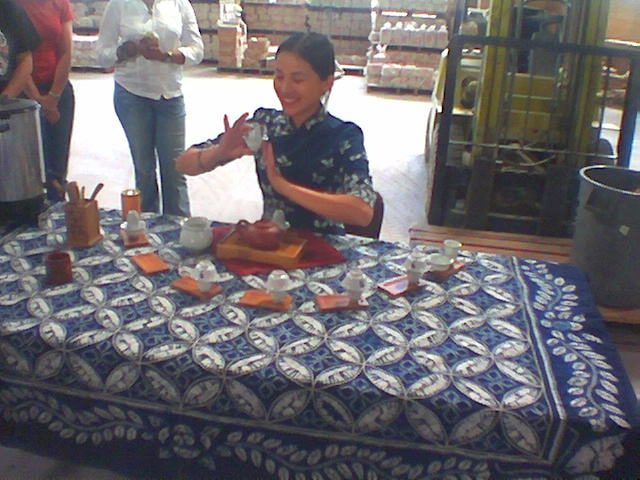
After engaging in warm conversation, they suggest heading to a “traditional neighborhood tea house” or nearby student art gallery. Once seated inside a private tea parlor, hosts conduct an elaborate tea tasting ceremony. When the bill arrives, the unsuspecting visitors are presented with an exorbitant charge ranging between 2,000 and 6,000 RMB ($300 to $900 USD). Bouncers frequently block exits until credit card payments are processed.
Steering clear of this scheme requires a straightforward rule of thumb: genuine Chinese residents rarely approach solo foreign tourists on the street to invite them to private commercial establishments within minutes of meeting. If invited for tea, coffee, or a private gallery showing by overly eager strangers, simply smile, offer a polite “No, thank you, I have an appointment,” and continue on your way.
2. Unmetered Black Cabs and Airport Terminal Touts
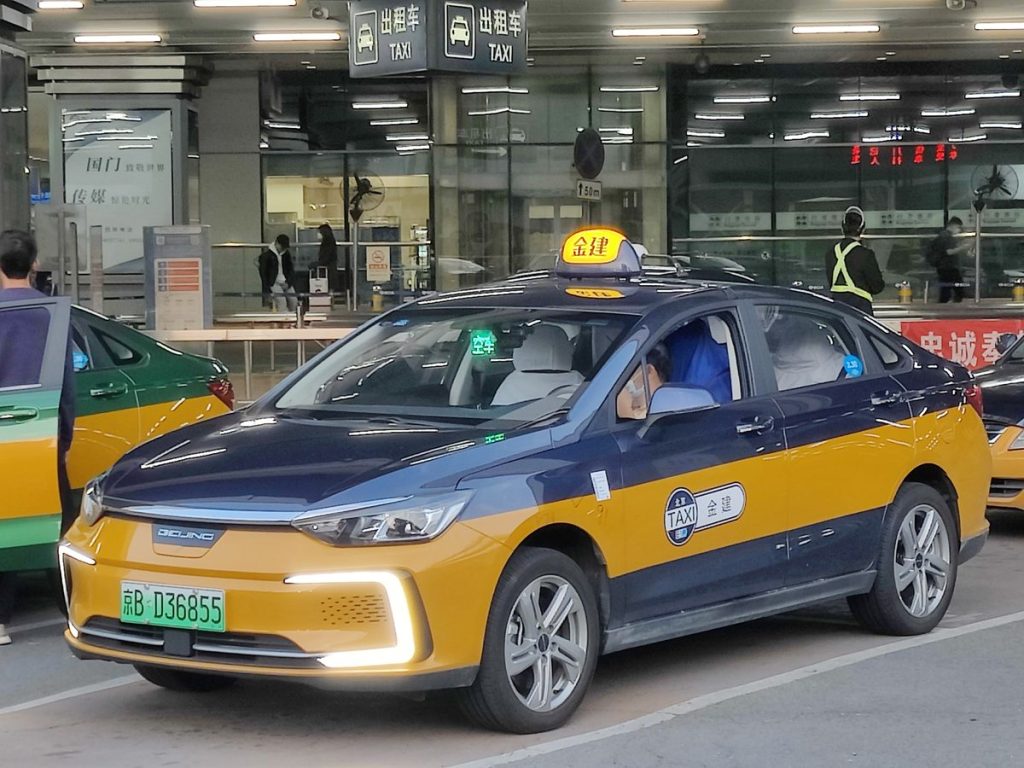
Exiting an international arrival hall after a grueling transpacific or European flight leaves many travelers exhausted and vulnerable to transport touts. Unlicensed drivers (“hei che”) patrol arrival gates holding laminated signs or repeating “Taxi! English speaking! Good price!” They often fabricate claims that official taxi lines require a two-hour wait or that airport express metro lines have terminated service for the evening.
If you follow these touts to an unmarked private car in an off-site parking garage, fares are regularly inflated to four or five times the standard meter rate. Drivers may also demand additional fees halfway along the expressway before unlocking luggage trunks.
Arriving safely at your hotel requires following the clear bilingual overhead signage directing you to the “Official Taxi Queue” (出租车排队处). Uniformed airport dispatchers supervise licensed sedans with visible roof lights and dashboard meters. Even better, open the Alipay or WeChat Pay app on your phone, launch the built-in English DiDi ride-hailing mini-program, and set your destination directly. DiDi locks in fixed upfront pricing, displays the driver’s license plate, tracks GPS routes in real time, and deducts the fare automatically from your bound international credit card without requiring cash.
3. Fake Souvenirs: From Tourist Jade to Powdered Tea
Historic streets, temple complexes, and tourist bazaars across China overflow with vendors advertising “genuine Hetian jade,” “pure Tibetan yak jerky,” and “heritage dragon well tea.” The overwhelming majority of these products are mass-produced wholesale goods marked up to ten times their retail value.
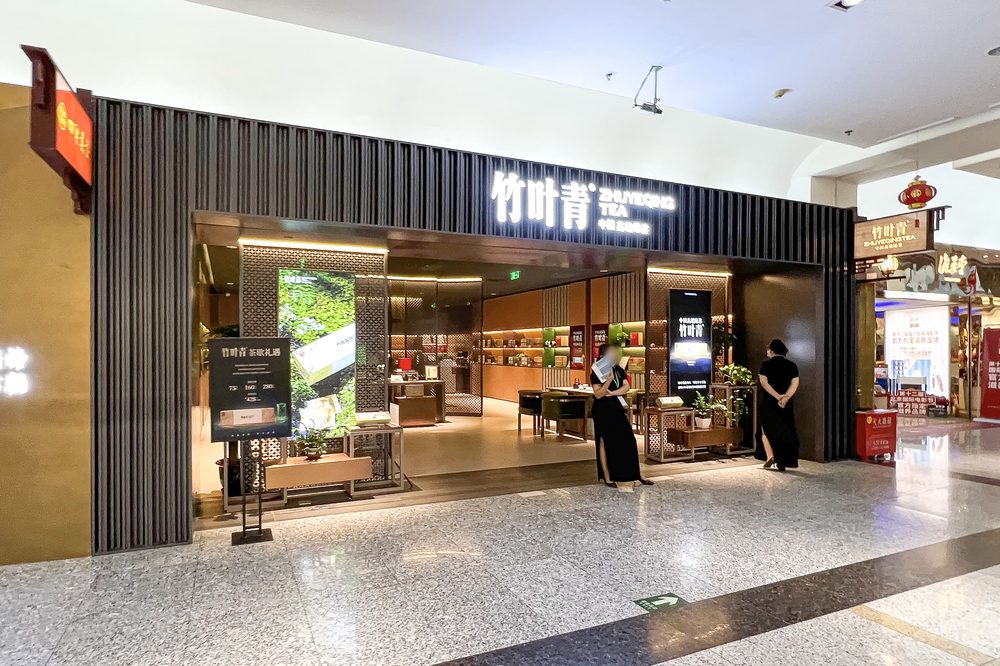
Tea stalls near scenic areas often provide generous free tasting sessions, brewing top-tier, honey-sweetened tea leaves. Once payment is made, buyers are handed heat-sealed bags containing stale, flavorless debris. Similarly, unless you are a certified gemologist, steer clear of jade, pearls, or antique jewelry in tourist markets; colored glass and chemical polymer resins are routinely disguised as precious stones complete with counterfeit appraisal certificates.
For genuine culinary and handicraft souvenirs, bypass souvenir stalls completely. Purchase loose-leaf teas from historic, state-certified retail chains like Wuyutai (吴裕泰) or Tenfu Tea (天福茗茶), where prices are printed directly on the tin. For local snacks, regional spices, and packaged sweets, visit modern neighborhood supermarkets such as Hema Fresh (盒马) or city department stores, where strict hygiene standards and fair retail pricing apply.
4. The “Free Photo” Camera Trap at Major Landmarks
Around bucket-list landmarks like the Forbidden City, the Terracotta Warriors Museum, or scenic lakeside paths, freelance operators carrying professional DSLR cameras frequently offer to snap your picture for “free.” The moment the photo is taken, an assistant produces a portable wireless photo printer or reveals a pre-laminated print, aggressively demanding 30 to 80 RMB ($5 to $12 USD) per sheet while physically crowding you.
A similar trick involves costumed street performers wearing historic dynasty robes or plush animal suits who stand closely beside foreign tourists during photo opportunities, only to demand cash immediately afterward. Always maintain clear boundaries: if someone approaches with an unrequested camera, wave your hand and decline firmly. When you want a group photo, hand your smartphone to another visiting international traveler or a local Chinese family—locals are almost always happy to take a picture for you with your own device completely free of charge.
Related Guide: Check our in-depth practical advice on how to avoid tour guide traps and phony scenic buggies.