
Planning an independent voyage to China requires navigating a modern, hyper-digital travel ecosystem. Unlike many destinations where booking habits remain consistent over decades, China’s domestic tourism infrastructure undergoes rapid technological updates. Travelers who build their itineraries around obsolete travel blogs frequently encounter unexpected roadblocks—from sold-out reservation portals to hotel check-in refusals.
Avoiding these common planning pitfalls does not require complicated logistics; it simply requires aligning your preparations with the real-time operational standards of China’s contemporary high-speed rail network, digital identity verification, and hospitality regulations.
Quick Facts: Smart China Travel Planning
1. The Perils of Relying on 3-Year-Old Travel Blogs
One of the most frequent mistakes made by first-time visitors is assembling an itinerary based on forum posts, Reddit threads, or travel blogs dated prior to 2023. China has largely phased out physical paper ticketing and walk-up ticket windows at major heritage monuments. Historic sites such as the Forbidden City in Beijing, the Mogao Caves in Dunhuang, or the Chengdu Giant Panda Breeding Base operate strict real-name digital reservation quotas linked directly to passport numbers.

Arriving at the gates expecting to purchase an on-the-day entrance ticket invariably results in disappointment, as allocations regularly sell out within minutes of being released online seven days in advance. Likewise, obsolete warnings claiming that international credit cards are unusable or that visitors must carry thick wallets of paper Renminbi are no longer accurate. Modern payment mini-programs in Alipay and WeChat Pay link directly to international Visa and Mastercard accounts, enabling effortless QR code transactions nationwide with zero merchant fees on purchases under 200 RMB.
2. Hotel Registration Hurdles and Inflated Online Ratings
Under Chinese border security regulations, all hospitality properties accommodating foreign passport holders must operate certified automated terminals connected to the local Public Security Bureau’s Exit-Entry administration system. While international luxury chains and reputable domestic hotel groups process foreign passports in minutes, many independent budget hostels, boutique traditional courtyard inns, and rural homestays listed on third-party aggregators lack the necessary licensing to legally host international travelers.

Arriving late at night in a remote mountain village only to be turned away by front desk staff because their terminal cannot process an international passport creates an unnecessary logistical emergency. Always verify hotel licensing before booking by utilizing Trip.com’s dedicated inbound filter to select properties explicitly marked “Accommodates Foreign Guests.”
Additionally, exercise caution when reviewing star ratings on budget accommodation sites, where complimentary snacks or local perks are occasionally exchanged for top mobile reviews. Focus your selection on properties constructed or extensively renovated within the past three years, and examine the 2-star and 3-star feedback specifically for mentions of plumbing condition, tobacco smoke residue, and sound isolation.
3. The “Special Forces” Trap: Cramming Too Much into One Trip
First-time visitors frequently underestimate China’s vast continental scale. Influenced by viral social media trends celebrating “Special Forces Travel” (特种兵旅游)—a badge of honor among domestic students racing through five cities in seven days—foreign travelers attempt to squeeze Beijing, Xi’an, Guilin, Chengdu, and Shanghai into a single ten-day vacation. This frenetic schedule inevitably causes exhaustion, particularly for families with elderly parents or young children.
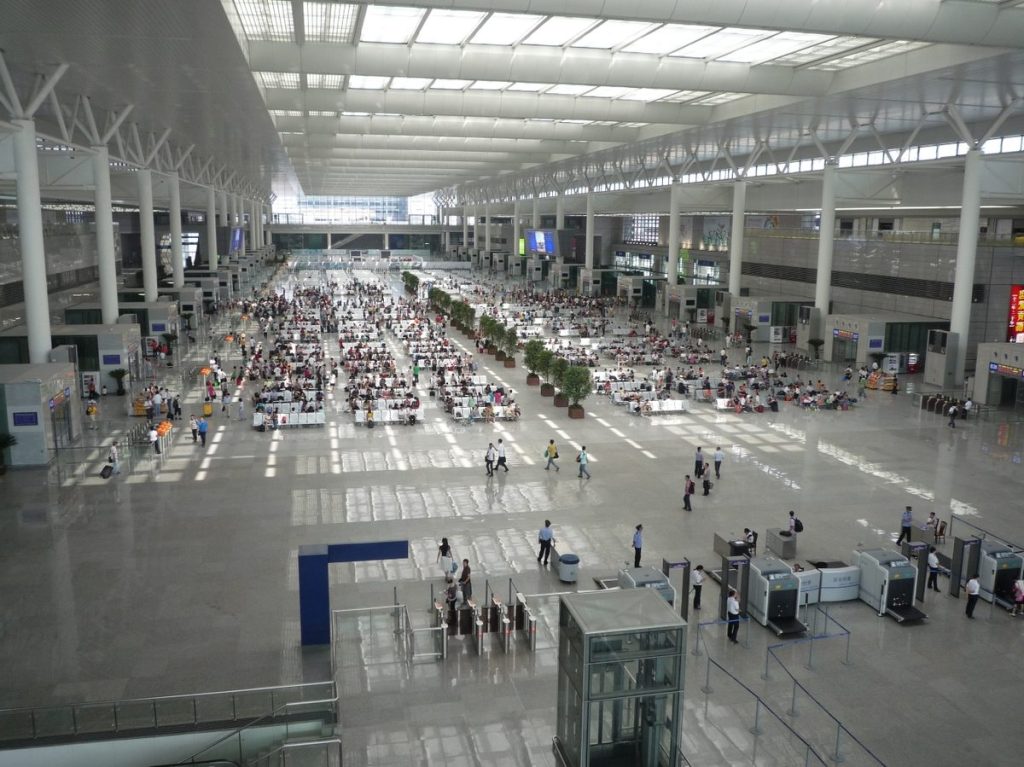
High-speed bullet train terminals in major Chinese provincial capitals are equivalent in scale to modern international airport hubs. Passing security screening, passport verification checks, and walking across massive concourses requires arriving at least 40 to 45 minutes prior to departure. Switching hotels every night consumes irreplaceable vacation hours in baggage lobbies and transit stations. Instead, build your route around a hub-and-spoke rhythm: base yourself for 3 to 4 nights in key metropolitan areas, incorporate a rest day, and prioritize high-speed train connections under 4 hours for seamless, restorative transit.