
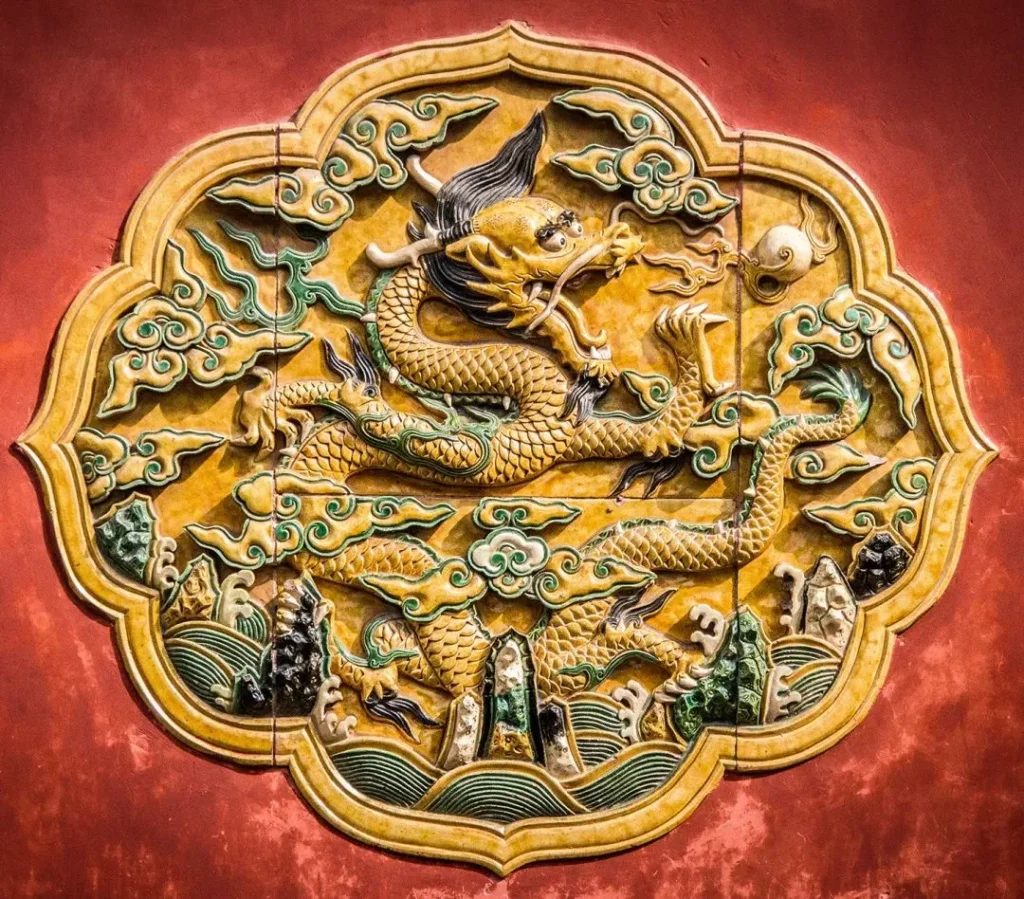
Ever been curious about why dragons hold such a special place in Chinese culture? Unlike the fearsome, fire-breathing dragons from Western tales, Chinese dragons, often referred to as “loong” (龙), are revered as symbols of power, good fortune, and wisdom. Let’s travel and explore to explore the enchanting world of Chinese dragons!
Introduction
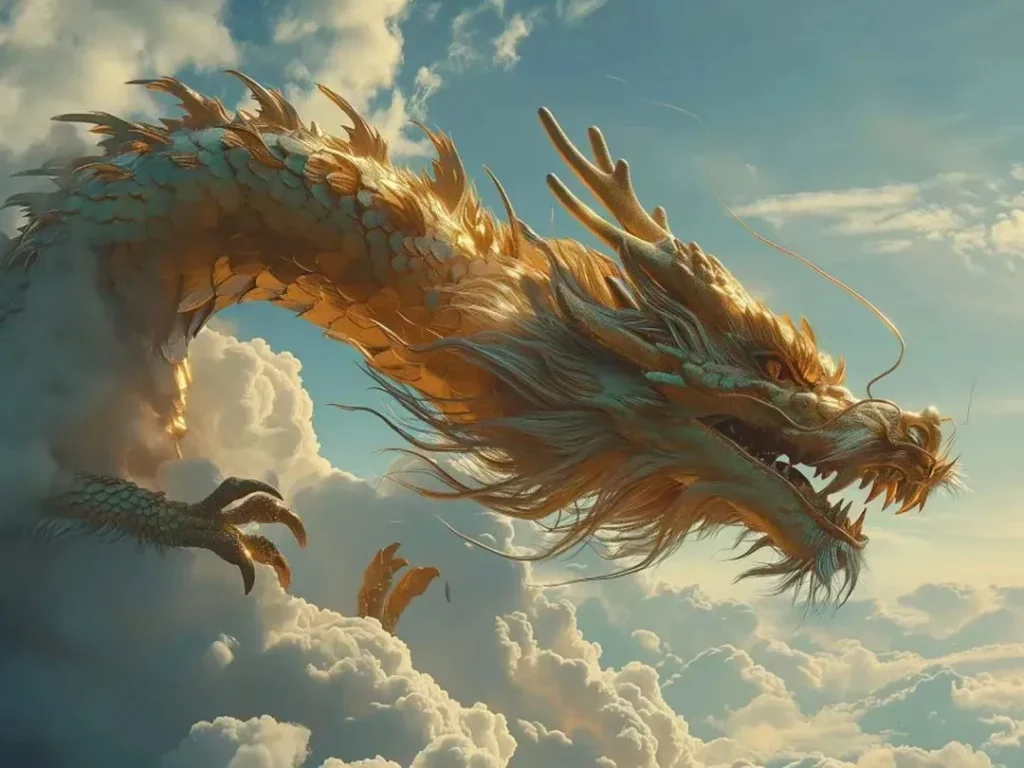
Chinese dragons are not just mythical creatures; they are integral to the cultural fabric of China. Unlike their Western counterparts, Chinese dragons embody positive attributes and are deeply embedded in various aspects of daily life, from festivals to art. This article delves into the symbolism, historical evolution, and contemporary significance of Chinese dragons.
Symbolism of the Chinese Dragon
Core Symbolism
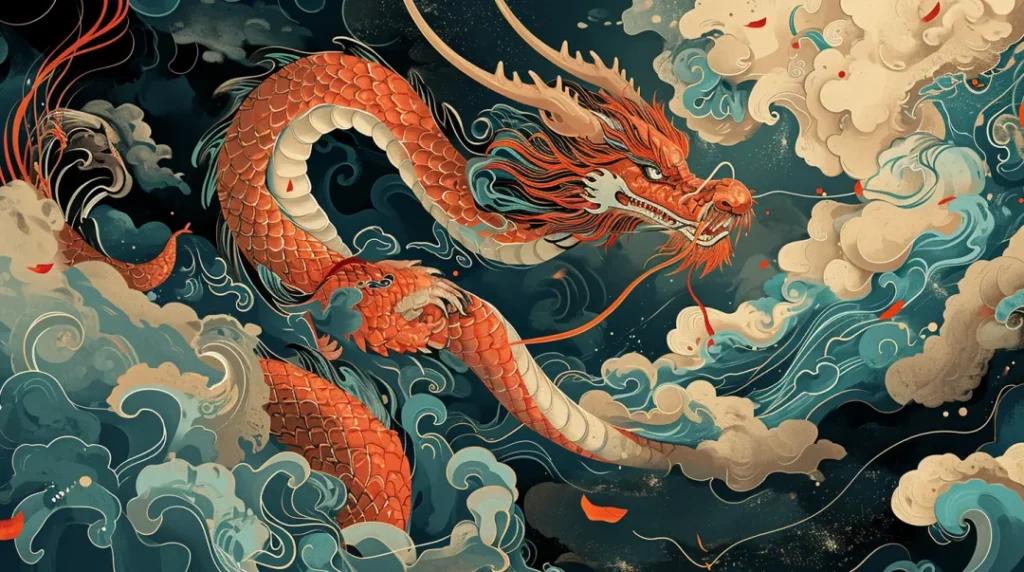
In Chinese culture, dragons symbolize good luck, power, and nobility. They are seen as benevolent beings that bring prosperity and protection. Unlike Western dragons, which are often depicted as malevolent, Chinese dragons are revered for their strength and kindness.
Power and Authority
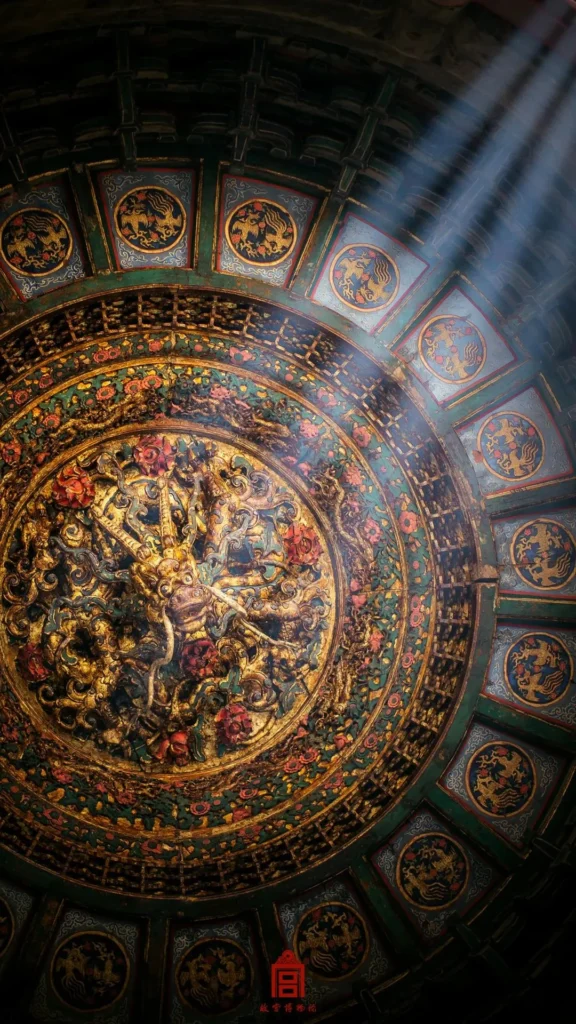
Historically, dragons were a symbol of imperial power. Emperors were often regarded as the sons of dragons, a status that granted them divine authority. During imperial times, commoners were prohibited from using dragon motifs to preserve the sanctity of the emperor’s symbolism.
Nature and Agriculture
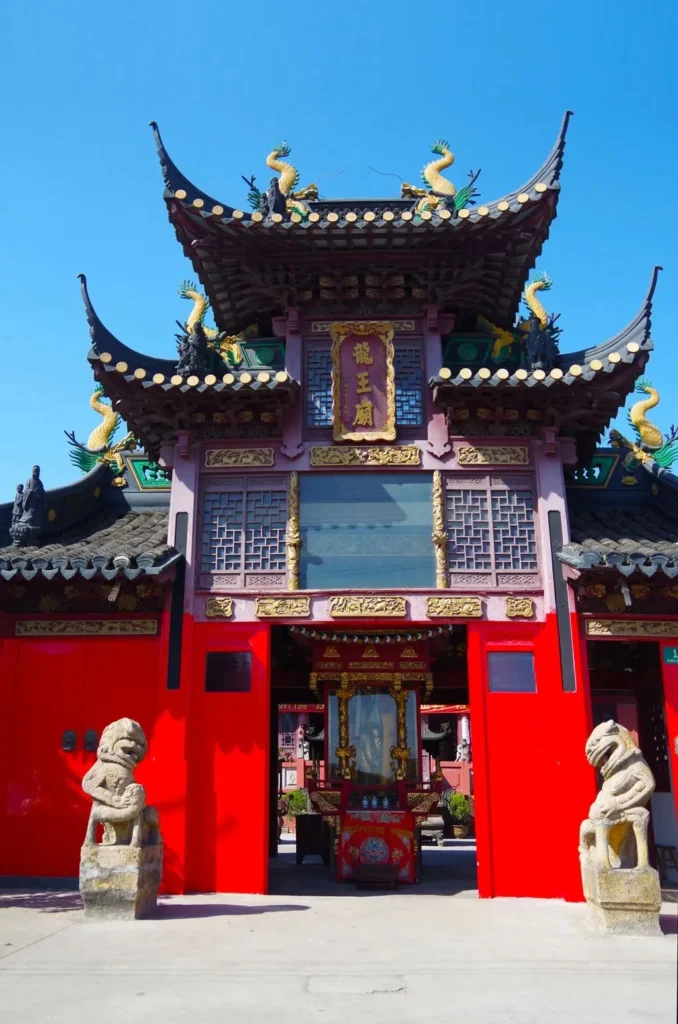
Chinese dragons are believed to control weather and water, essential elements for agriculture. They can summon rain during droughts, ensuring the prosperity of crops and the well-being of the people. Temples dedicated to Dragon Kings are still found in many villages, where locals pray for favorable weather.
National Identity
Dragons are a cornerstone of Chinese national identity. The phrase “descendants of the dragon” (龙的传人) reflects the belief that the Chinese people are the progeny of these powerful creatures, symbolizing unity and cultural pride.
Color Symbolism
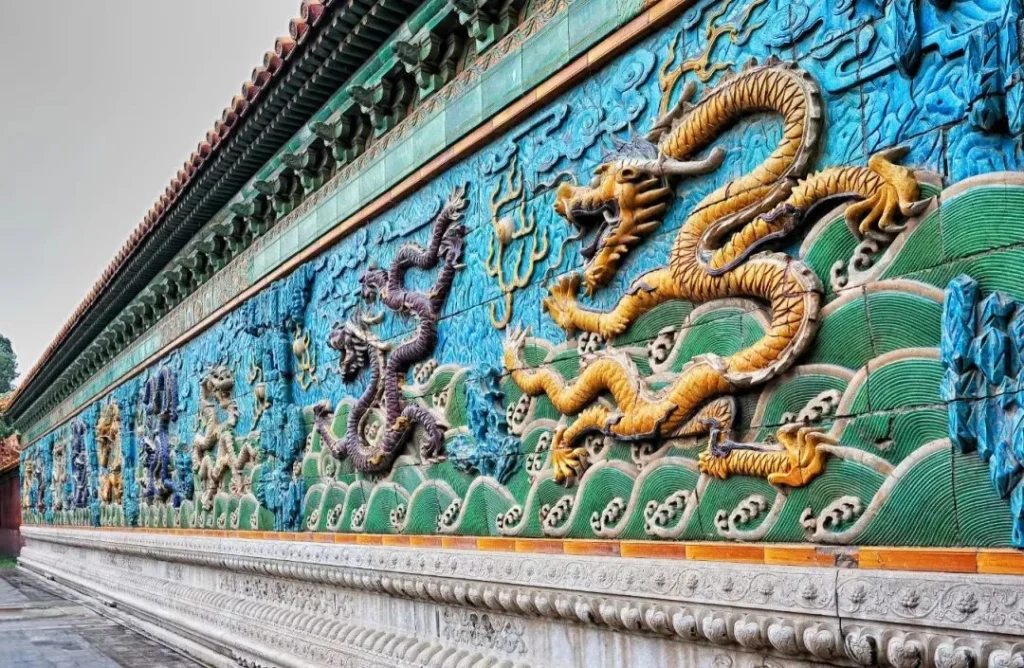
Different colors of dragons carry distinct meanings:
- Red Dragons: Symbolize luck and are commonly used in celebrations and festivals.
- Black Dragons: Often associated with vengeance or calamity.
- White Dragons: Represent purity and virtue.
- Blue/Green Dragons: Stand for nature, health, and growth.
- Yellow Dragons: Denote imperial power, wisdom, and good fortune.
- Golden Dragons: Signify wealth, prosperity, and strength.
Historical Evolution of the Chinese Dragon
Early Forms
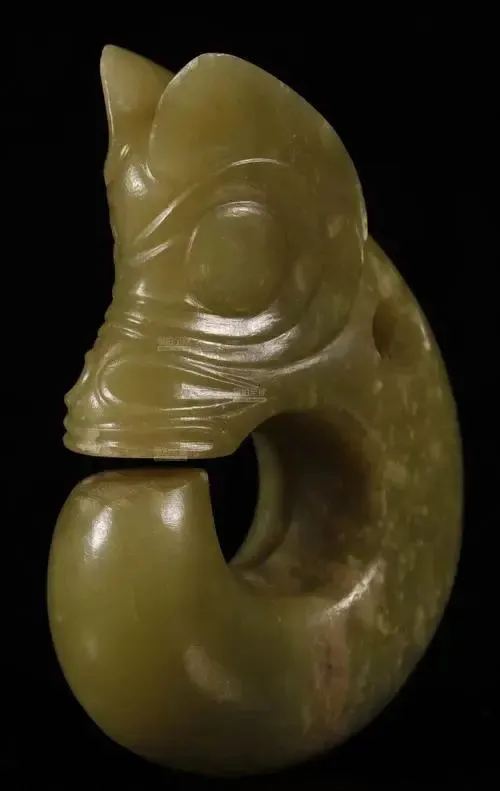
The image of the Chinese dragon has evolved significantly over millennia. Ancient dragons, like the “Jade Pig Dragon” (玉猪龙) from the Hongshan Culture (红山文化), resembled pigs with no claws. These early depictions sparked much debate among scholars due to their stark difference from contemporary dragon imagery.
Developmental Changes
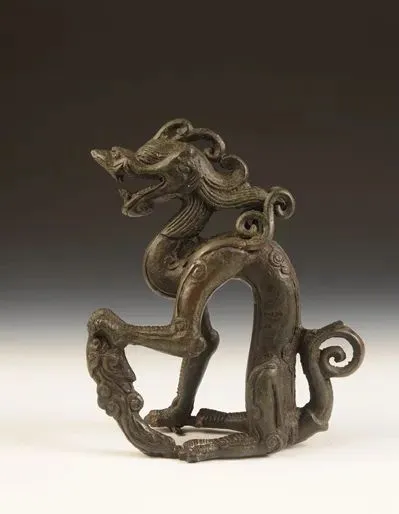
During the Han Dynasty (汉朝), dragons became more robust, acquiring claws and wings. The Wei, Jin, and Northern and Southern Dynasties (魏晋南北朝) saw dragons with tiger-like heads and intricate body patterns, further distinguishing their majestic presence.
Standardization in the Song Dynasty
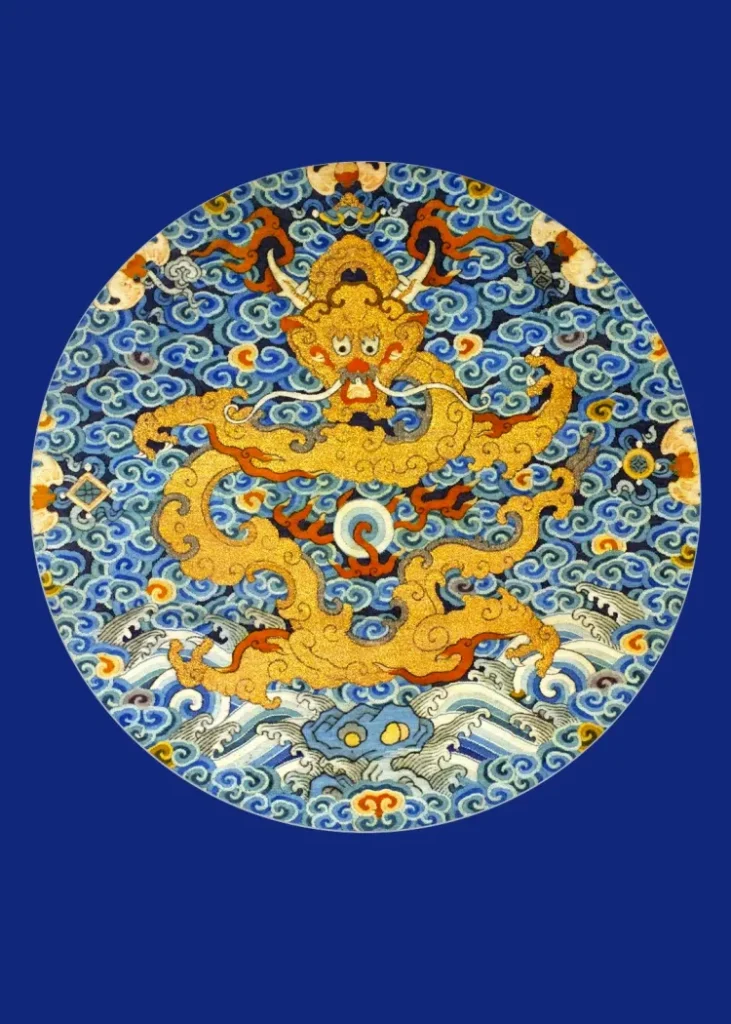
The Song Dynasty (宋朝) was pivotal in standardizing the dragon’s appearance. Descriptions from texts like “Erya Wing” (尔雅翼) highlighted the “nine resemblances” (九似) of dragons: ox-like heads, deer antlers, shrimp-like eyes, elephant ears, snake necks and bellies, fish scales, phoenix claws, and tiger-like palms.
Modern Evolution
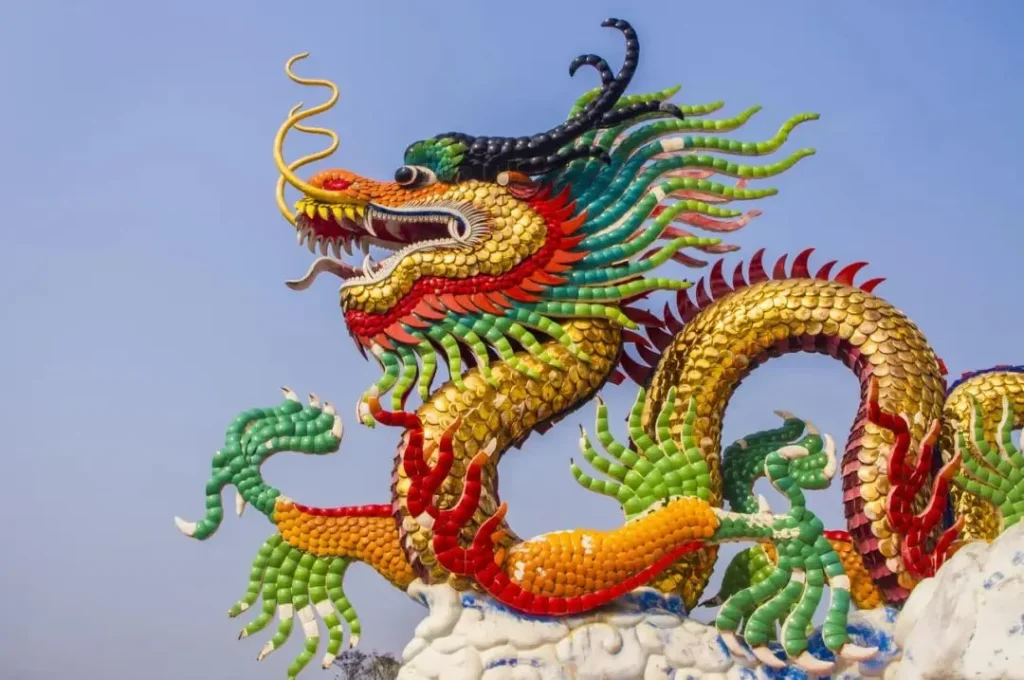
In contemporary times, dragon designs have become more ornate and varied, blending traditional features with modern artistic expressions. This evolution reflects the enduring relevance of dragons in both heritage and modern culture.
Types of Chinese Dragons
Main Types
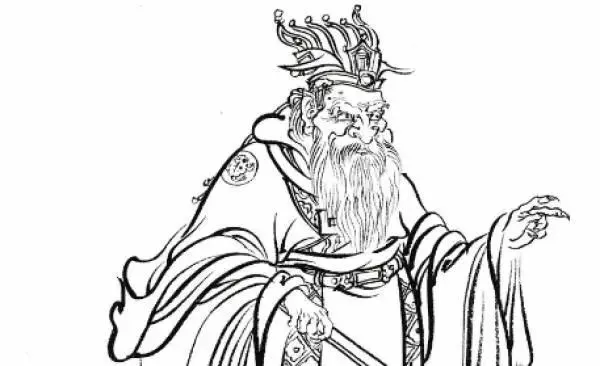
Chinese dragons come in various forms, each with unique attributes:
- Azure Dragon (青龙): Represents the east and controls wind and rain.
- Winged Dragon: Considered the ancestor of all dragons, it governs the four seasons.
- Coiling Dragon: Resides on earth, unable to fly, and controls time.
- Horned Dragon: Lives for over 500 years, develops horns, and often causes floods.
- Underworld Dragon: Dwells underwater or underground, managing rivers and streams.
- Treasure Dragon (宝龙): Protects hidden treasures and personal wealth.
- Cloud Dragon: Lives in the clouds, capable of summoning rain.
- Dragon King (龙王): The most powerful and intelligent dragon, able to transform into humans and control all seas.
The Nine Sons of the Dragon
Legend
Chinese mythology tells of dragons having nine sons, each with distinct personalities and abilities. These sons are commonly used in architectural decorations, symbolizing various virtues and functions.
Characteristics of the Nine Sons
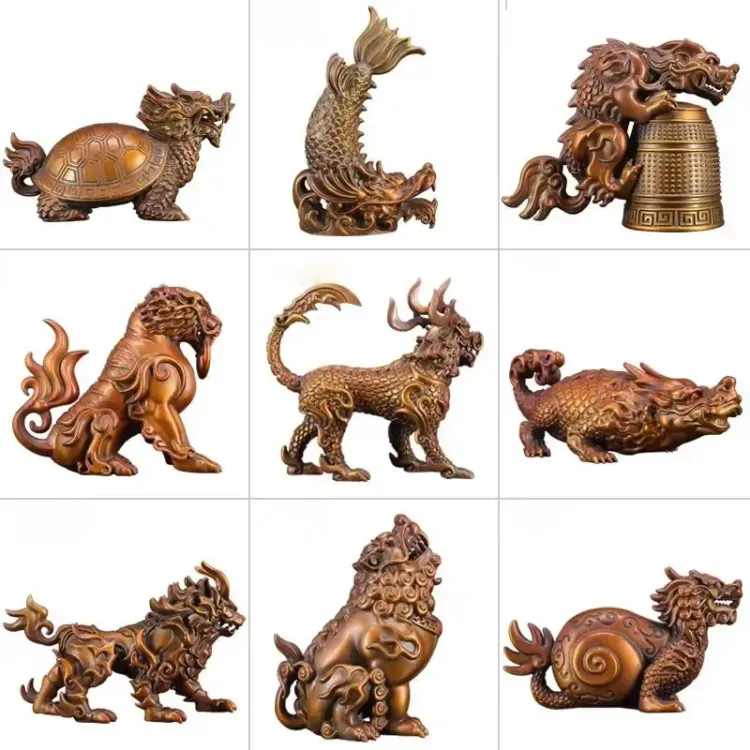
- Bixi (赑屃): Turtle-like, loves carrying heavy objects, often found on graves and monuments.
- Qiuniu (囚牛): Enjoys music, typically adorns musical instruments.
- Yazi (睚眦): Aggressive and loves fighting, often decorates sword grips.
- Chaofeng (嘲风): Adventurous, usually seen on palace roof ridges.
- Pulao (蒲牢): Known for loud cries, commonly placed on bell handles.
- Suanni (狻猊): Lion-like, enjoys sitting and smelling incense, found on Buddhist incense burners.
- Bi’an (狴犴): Loves lawsuits, often seen at jail gates.
- Fuxi (负屃): Literary, often found on stone tablets.
- Chiwen (螭吻): Enjoys gazing and fire, decorates rooftops.
Saying
The saying “龙生九子不成龙,各有所好” (The dragon’s nine sons are not dragons, each has its own preference) emphasizes that each son has distinct traits and roles, symbolizing diversity and specialization.
Applications of the Dragon in Culture
Cultural Elements
Dragons are omnipresent in Chinese culture, appearing in:
- Twelve Zodiac Signs (十二生肖): The dragon is a sign symbolizing confidence, power, and determination.
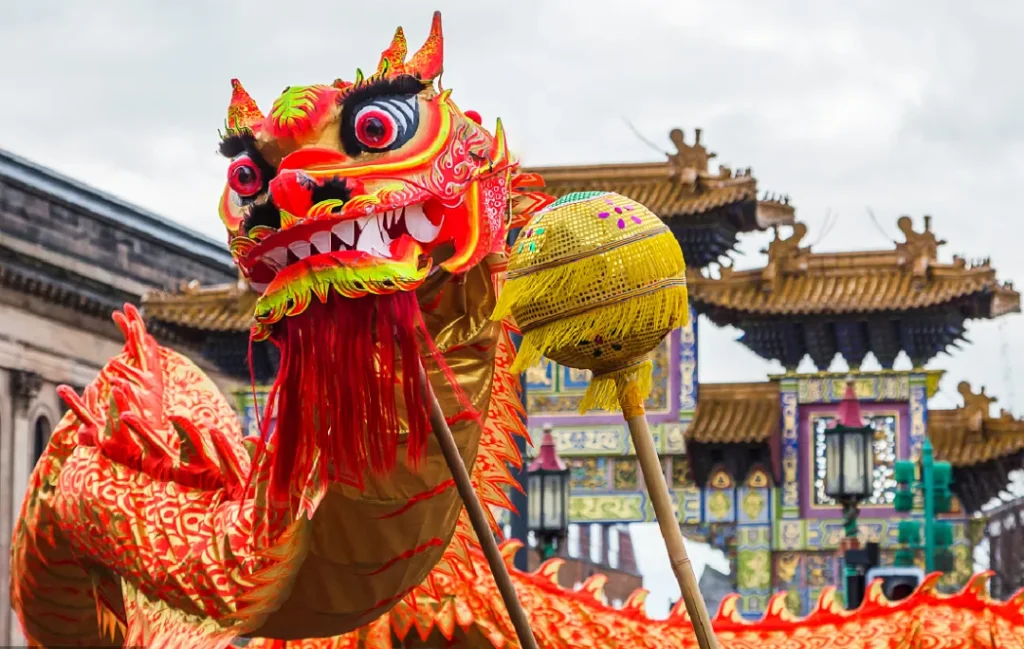
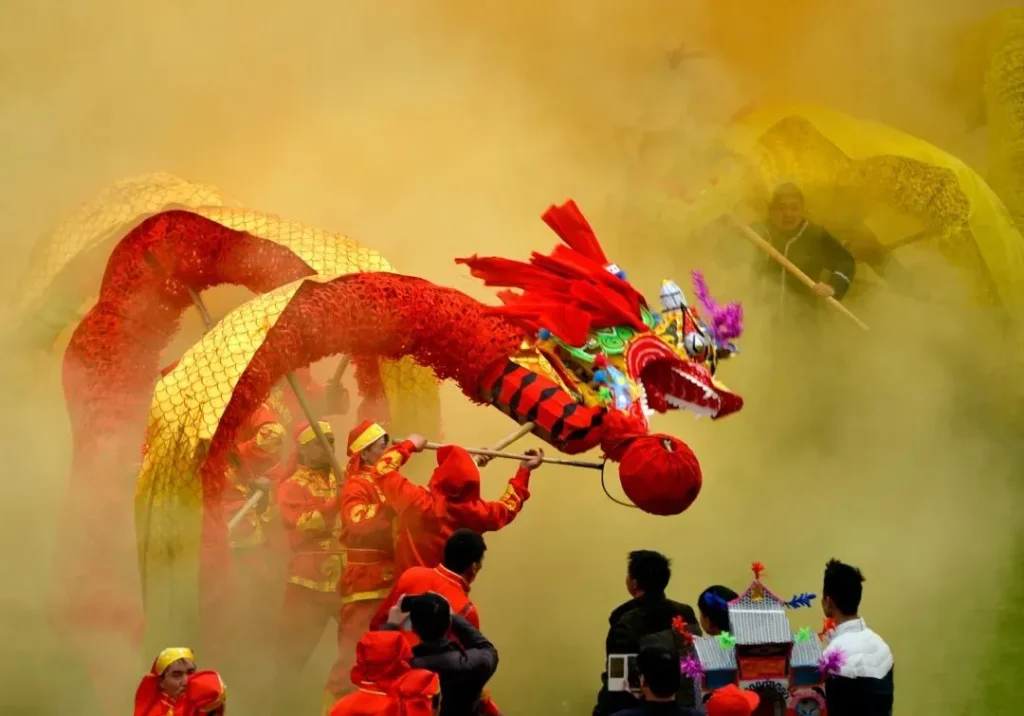
- Dragon Dances (舞龙): Performed during festivals to attract good fortune and drive away evil spirits.
- Dragon Boat Races (龙舟赛): Held during the Dragon Boat Festival (端午节) to honor the poet Qu Yuan and promote teamwork.
- Feng Shui (风水): The dragon represents yang energy and the east, enhancing harmony and prosperity.
- Idioms (成语): Phrases like “龙马精神” (dragon horse spirit) and “龙飞凤舞” (dragon flying and phoenix dancing) convey positive attributes.
- Art and Architecture: Dragons decorate buildings, temples, and art pieces, embodying cultural pride and aesthetic beauty.
- Drama and Literature: Stories and performances often feature dragons, highlighting their significance in narratives like “Journey to the West” (西游记) and “The Legend of the White Snake” (白蛇传).
Comparison of Chinese and Western Dragons
Appearance Comparison

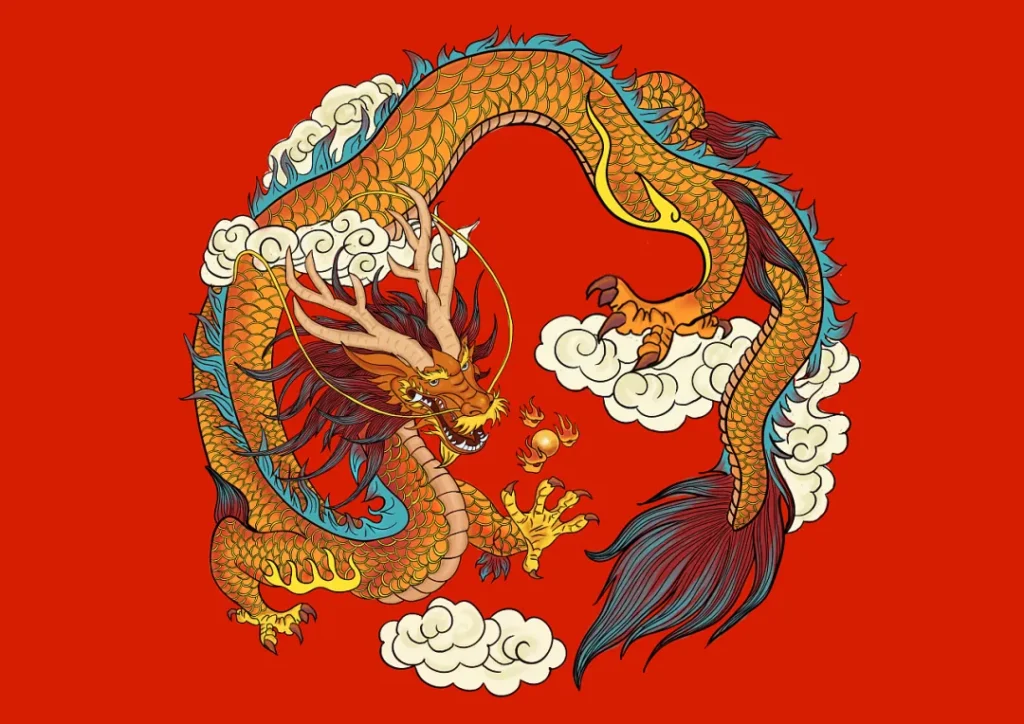
Chinese dragons are typically long and snake-like with four limbs and whiskers, embodying a blend of various animals. In contrast, Western dragons usually have wings, large claws, and a more reptilian or dinosaur-like appearance.
Habitat Comparison
While Western dragons dwell in caves or mountainous lairs, Chinese dragons inhabit the depths of seas, rivers, lakes, and even the skies, maintaining a close connection with water and nature.
Symbolism Comparison
Chinese dragons symbolize benevolence, auspiciousness, and wisdom, serving as protectors and bringers of good fortune. Western dragons often represent danger, evil, and chaos, acting as adversaries in heroic tales.
The Necessity of “Loong”
Translation Issue
There’s an ongoing discussion about translating the Chinese dragon as “loong” (龙) instead of “dragon” to preserve its unique cultural significance. The term “dragon” carries Western connotations that might not fully encapsulate the positive and multifaceted symbolism of the Chinese dragon.
Modern Significance of the Chinese Dragon
Spiritual Symbolism
Today, dragons continue to symbolize the resilient and pioneering spirit of the Chinese people. They embody qualities like wisdom, power, and the relentless pursuit of progress, resonating with modern values and aspirations.
Cultural Symbol
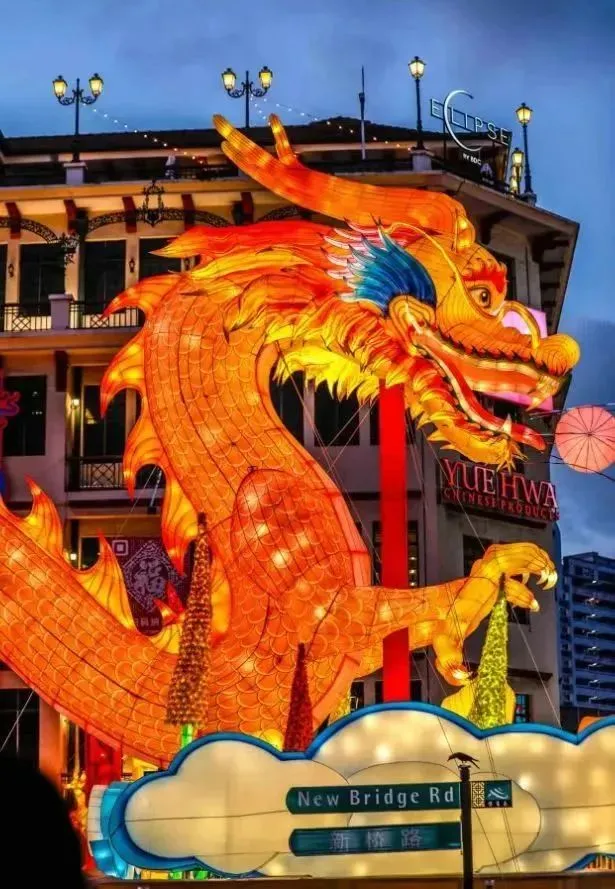
The dragon remains a potent cultural symbol, admired by Chinese communities worldwide. It bridges ancient traditions with contemporary expressions, ensuring its relevance and admiration across generations.
Conclusion
Chinese dragons are more than mythical creatures; they are embodiments of cultural heritage, national pride, and enduring values. From their rich symbolism and historical evolution to their omnipresence in modern life, dragons continue to inspire and symbolize the profound spirit of China. Embracing the term “loong” can help honor their unique identity, allowing us to appreciate the true essence of these magnificent beings.
Next time you encounter a Chinese dragon, remember it’s not just a storybook creature but a living symbol of an entire culture’s hopes and dreams. Celebrate the dragon, and you’ll celebrate a rich and vibrant heritage that has thrived for thousands of years.
Interested in experiencing dragon culture firsthand? Attend the Dragon Boat Festival (端午节) or visit iconic sites like the Forbidden City (紫禁城) where dragon carvings tell centuries-old stories. The legacy of the dragon is ever-unfolding, captivating hearts around the world!