
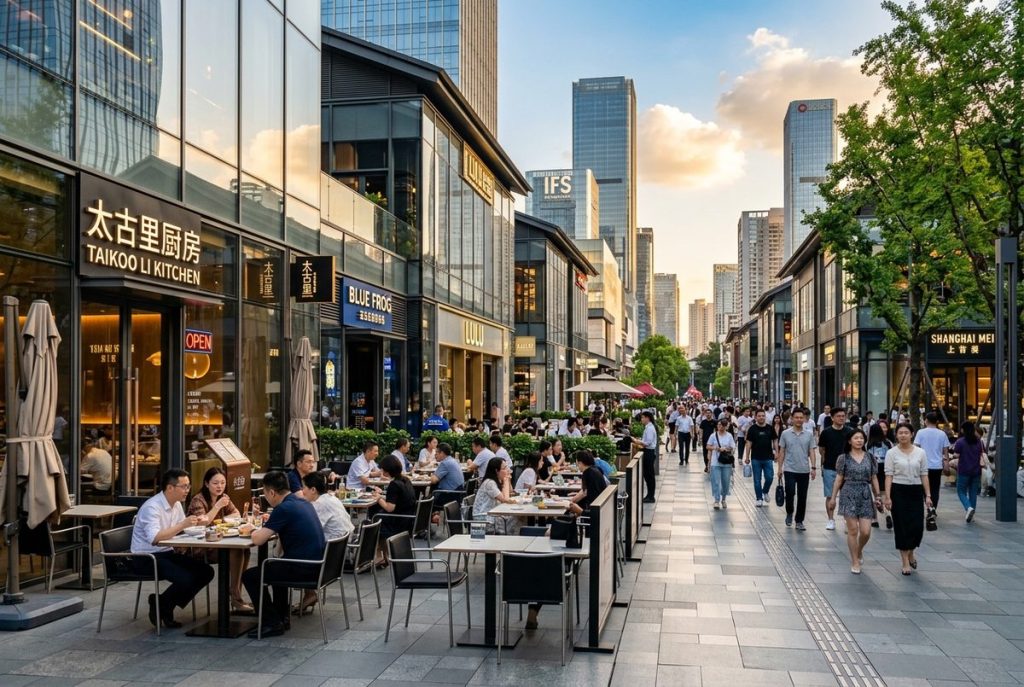
Compared to Western Europe, North America, Japan, or Australia, traveling in China delivers extraordinary purchasing power. Modern infrastructure, spotless high-speed bullet trains, and quality boutique hotels are priced at a fraction of Western costs. A comfortable mid-range travel lifestyle—including private boutique hotel rooms, bullet train travel, daily sit-down restaurant feasts, and taxi rides—often costs less than staying in a shared hostel dorm in London or New York. Here is a realistic, transparent daily budget breakdown based on real on-the-ground travel costs.
- Budget Backpacker Tier: $35–$50 USD (250–350 RMB) per day (Hostel dorm or budget private room, street food/noodles, subways, free city parks).
- Comfortable Mid-Range Tier (Recommended): $75–$120 USD (550–850 RMB) per day (Stylish 4-star boutique hotel, sit-down dinners, 2nd class bullet trains, 5A landmark tickets).
- Luxury / 5-Star Tier: $220–$400+ USD (1,600–3,000+ RMB) per day (Marriott/Hyatt/Shangri-La hotels, Business Class bullet trains, private car transfers, fine dining).
1. Accommodation Costs: From Boutique Hotels to Luxury Stays
Hotel pricing in China offers some of the highest value-to-quality ratios in the global tourism market:
- Budget Hotels & Hostels ($20–$35 USD / 140–250 RMB per night): Private, air-conditioned en-suite rooms in reliable domestic budget brands like Hanting (汉庭) or 7 Days Inn, or beds in boutique international youth hostels in Beijing hutongs or Chengdu old quarters.
- Mid-Range Boutique & 4-Star Chains ($50–$85 USD / 360–600 RMB per night – Sweet Spot): Brands like Atour Hotel (亚朵), Ji Hotel (全季), and Crystal Orange (桔子水晶) offer spotless, soundproofed rooms, premium memory-foam mattresses, rainfall showers, robot room service, and complimentary laundry facilities. You can compare properties and secure verified foreigner-friendly bookings on Trip.com Hotels.
- International 5-Star Luxury ($130–$250 USD / 900–1,800 RMB per night): Properties under Grand Hyatt, Ritz-Carlton, JW Marriott, and InterContinental in tier-1 cities cost roughly one-third of their equivalent rates in Tokyo, Paris, or San Francisco.
2. Food & Dining Costs: Feasting on Any Budget
Food is exceptionally affordable across all Chinese provinces:
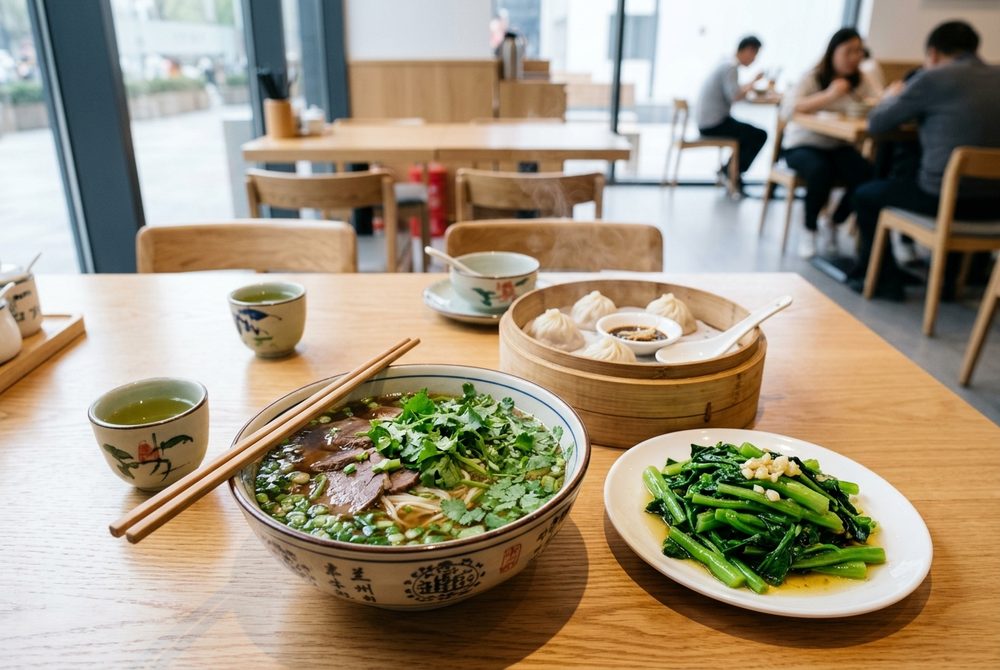
- Breakfast ($1.50–$3 USD / 10–20 RMB): Steamed pork buns (Baozi), soybean milk (Doujiang), deep-fried dough sticks (Youtiao), or a savory egg pancake (Jianbing) from a clean street corner shop.
- Casual Lunch ($3.50–$6 USD / 25–45 RMB): A huge steaming bowl of Lanzhou hand-pulled beef noodles, Cantonese roast duck rice, or Sichuan dumplings.
- Full Sit-Down Dinner ($10–$20 USD / 70–140 RMB per person): Shared feasts of Peking duck, fiery Sichuan hotpot with fresh beef and mushrooms, or Jiangnan sweet-and-sour ribs with beer and tea.
- Coffee & Drinks ($2–$4 USD / 15–28 RMB): Quality flat whites and lattes at Luckin Coffee, Manner, or Starbucks, and premium fruit teas from Heytea.
3. Transportation & Daily Sightseeing Expenses
Getting around Chinese cities and between distant provinces is fast, safe, and inexpensive:
- City Subways: 2 to 7 RMB ($0.30–$1.00 USD) per ride, covering up to 30 kilometers across city center lines.
- Taxis & DiDi Rides: Short 15-minute city rides cost 15 to 25 RMB ($2.00–$3.50 USD). A 45-minute airport transfer typically runs 70 to 120 RMB ($10–$17 USD).
- High-Speed Rail Bullet Trains: Second Class high-speed train tickets range from $25 to $40 USD for 2-hour journeys (e.g., Shanghai to Hangzhou/Huangshan) and approximately $80 USD for the 1,300 km Beijing–Shanghai 4.5-hour bullet run. Check schedules and reserve e-tickets on Trip.com Trains.
- Attraction Tickets: Most major city parks and temples charge 10 to 40 RMB ($1.50–$6 USD). Premier World Heritage sites (Forbidden City: 60 RMB / $8.50 USD; Terracotta Army: 120 RMB / $17 USD; Zhangjiajie National Forest Park: 227 RMB / $32 USD for 4-day access). Pre-book entry tickets via Trip.com Attractions.
When budgeting for gifts, silk, and tea, check out our practical Souvenir Shopping and Bargaining Guide in China Markets to avoid paying inflated tourist prices.