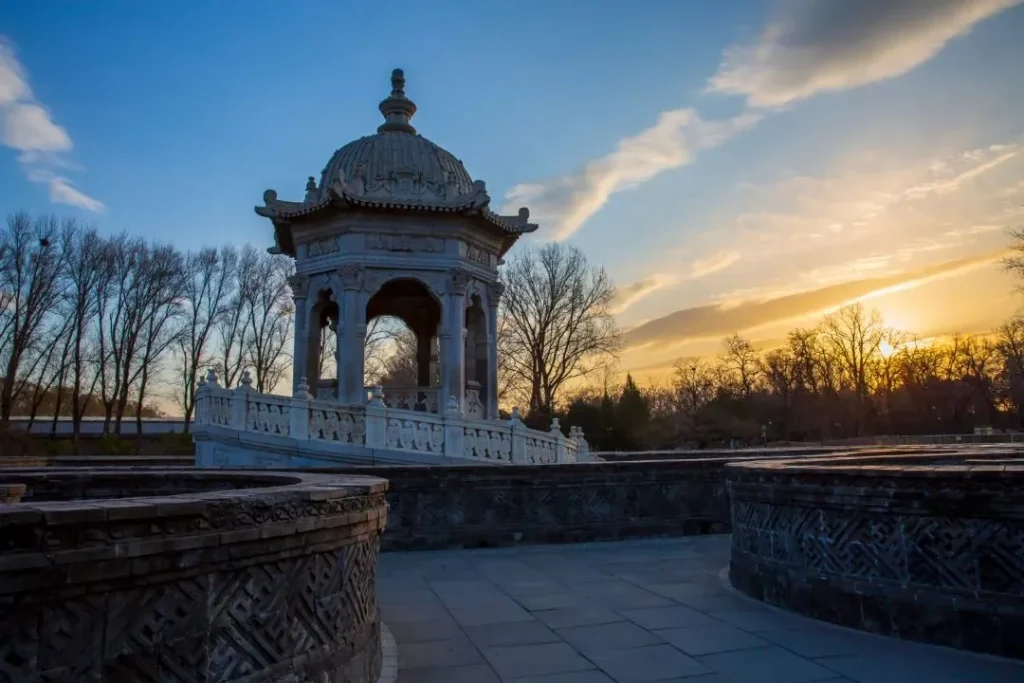
The Old Summer Palace, or Yuanmingyuan (圆明园) as it’s known in Chinese, was once famously called the “Garden of Gardens.” It’s a truly stunning example of a Qing Dynasty imperial garden. Even though it’s seen a lot over the centuries, this historic site, now a park, still draws people from all over the world with its incredible history and one-of-a-kind garden artistry. It’s a top-tier AAAAA tourist spot, located at No. 28 Qinghua West Road, Haidian District, Beijing. This place is massive, sprawling over about 5,200 acres, and its layout looks a bit like an upside-down Chinese character “品” (pǐn). It’s actually three main gardens rolled into one: the Yuanmingyuan proper, Changchun Garden (长春园 – Garden of Eternal Spring), and Qichun Garden (绮春园 – Garden of Elegant Spring), with a whopping 140 hectares (about 346 acres) of lakes and waterways. It’s more than just a dazzling showcase of classic Chinese garden design; it’s also a poignant window into China’s modern history and a significant piece of cultural heritage.
Echoes of the Past: The Story of Yuanmingyuan
1. Birth and Heyday
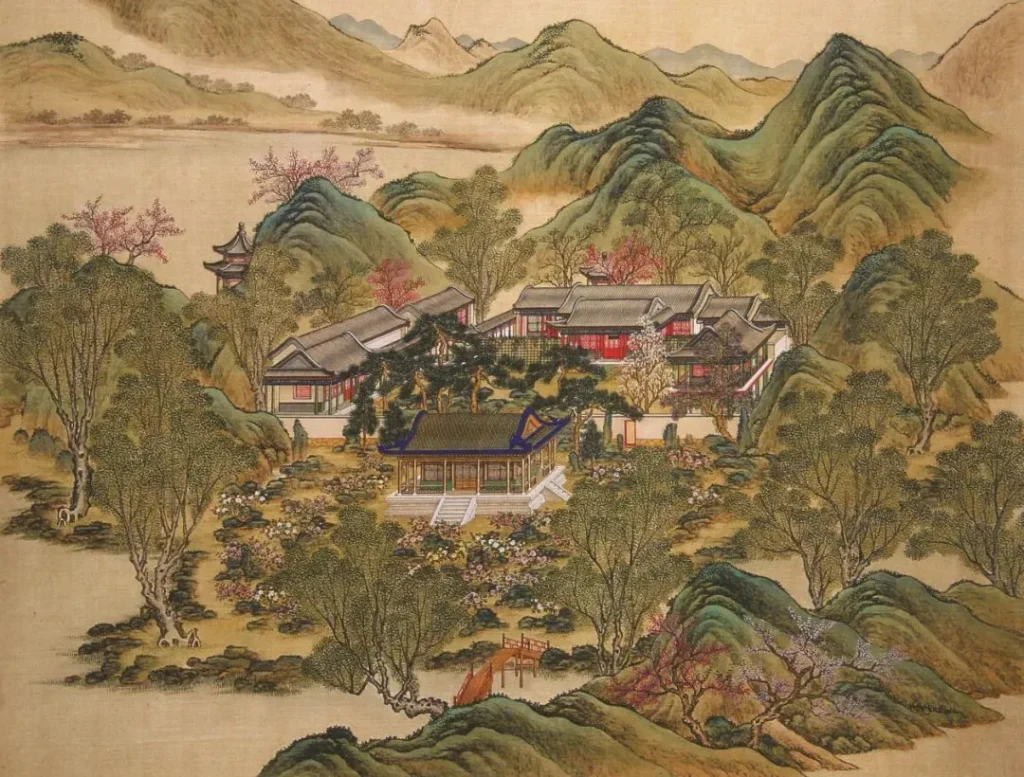
The Old Summer Palace got its start back in 1707, during the reign of Emperor Kangxi of the Qing Dynasty. It was originally a garden gifted to his fourth son, Yinzhen (who later became Emperor Yongzheng). Emperor Kangxi himself penned the name “Yuanmingyuan” for it and visited many times for banquets and leisure, which really boosted its status. The name “Yuanming” (圆明) is pretty deep: “Yuan” (圆) means circular, complete, and harmonious, while “Ming” (明) stands for brightness, wisdom, and integrity – reflecting the political ideals of its imperial rulers.
Most of the major construction happened in the later years of Emperor Kangxi and during Emperor Yongzheng’s time. In 1709, Emperor Kangxi gave this plot of land, just north of the existing Changchun Garden, to Yinzhen. Then, over the reigns of three emperors – Kangxi, Yongzheng, and Qianlong – it was constantly expanded and beautified. It grew into a vast complex of palaces and gardens, a true masterpiece blending landscape architecture, stunning buildings, and rich culture, earning it that “Garden of Gardens” title. It was a jewel among imperial gardens.
2. Tragedy and Heartbreak
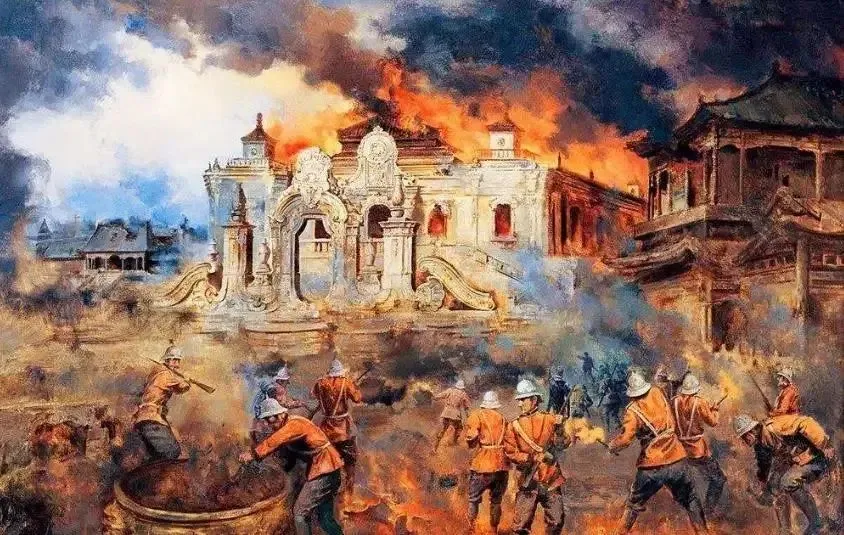
But history took a grim turn. In 1860, during the Second Opium War, Anglo-French forces invaded Beijing. On October 6th, they stormed the Old Summer Palace and went on a rampage of looting and destruction. Letters from officers back home chillingly described the plunder, calling it a “looting party.” This catastrophe didn’t just scatter countless priceless Chinese cultural relics across the globe; it also reduced this unparalleled architectural wonder to ashes and rubble. What remains are haunting ruins, a lasting scar on the heart of the Chinese nation and a stark reminder of this historical tragedy.
The entire story of Yuanmingyuan, from its creation to its devastation, is closely tied to the Qing Empire’s economy, politics, culture, military, and foreign relations. It’s almost like a miniature reflection of the empire’s rise and fall. Much like the Epang Palace was to the Qin Dynasty, Yuanmingyuan holds huge symbolic meaning for the Qing Dynasty’s journey through prosperity and decline.
3. Rebirth and Protection
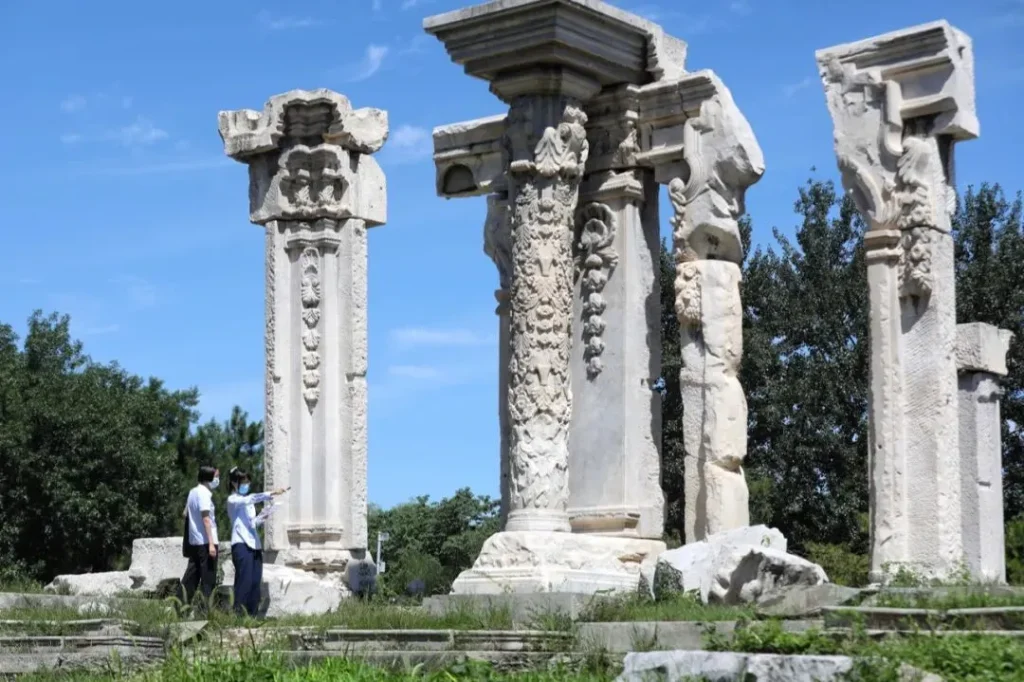
After the founding of New China, a lot of effort from the government and people from all walks of life went into protecting what was left of the Old Summer Palace. A big step forward came in September 1984, when the park management teamed up with local farmers. They started a joint effort, with public help, to develop and restore the site as a ruins park. This was a game-changer for its preservation. In 1988, the Yuanmingyuan Ruins Park officially opened, giving everyone a place to learn about this crucial period in Chinese history and appreciate the beauty of its garden art, even in its ruined state.
Exploring the Gardens: The Sights of Yuanmingyuan
1. Clever Layouts and Beautiful Buildings

The garden design of Yuanmingyuan is something else. It masterfully blended the delicate charm of southern Chinese gardens with the grand scale of northern ones. The lakes, bridges, pavilions, halls, stone boats, and artificial hills are all artfully arranged, offering a feast for the eyes at every turn. Remember that upside-down “品” shape? That covers over 350 hectares (about 865 acres), with about 140 hectares (346 acres) of that being water.
In its prime, Yuanmingyuan boasted almost every type of traditional Chinese architecture you can think of: grand halls, pavilions, towers, corridors, studios, waterside gazebos, bridges, sluices, walls, pagodas, and even temples, Daoist shrines, mock villages, and marketplaces. It was a whole world unto itself.
2. A Tour of the Main Attractions (or their Remains)
2.1. Yuanmingyuan Area (The main garden section)
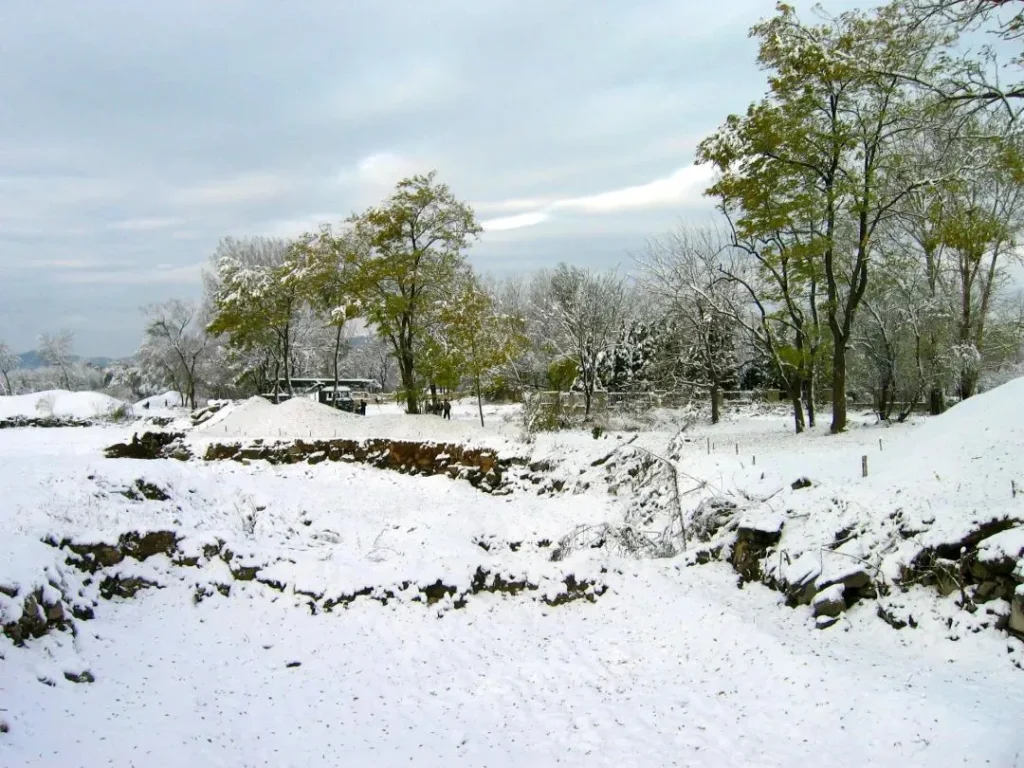
- Jiuzhou Qingyan (九州清晏 – Nine Continents of Peace and Calm): This was one of the first spots built in Yuanmingyuan and served as the living quarters for emperors and empresses. Emperor Kangxi himself dined here on his first visit. It’s on the north shore of Fuhai Lake and was the heart of the original garden.
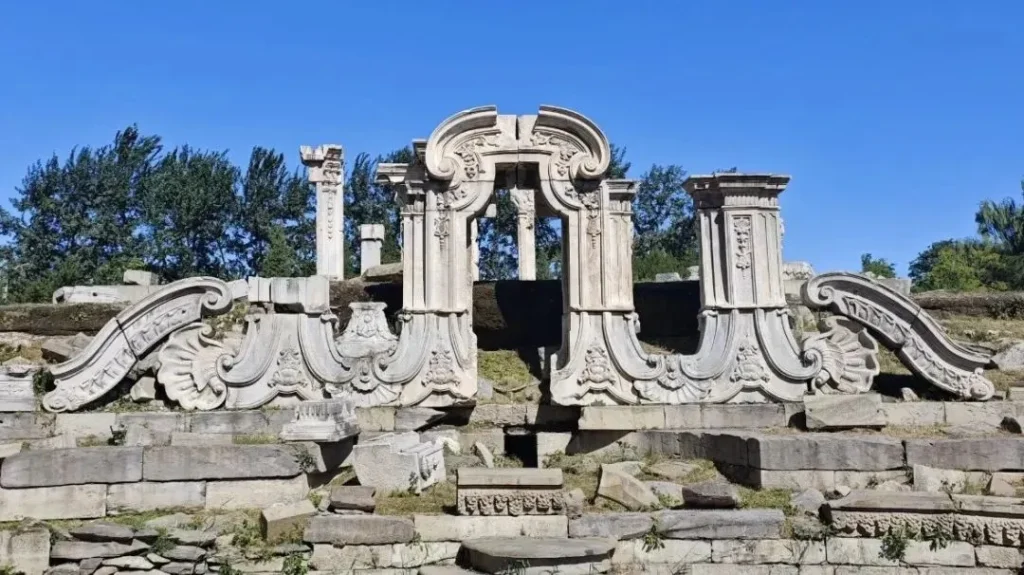
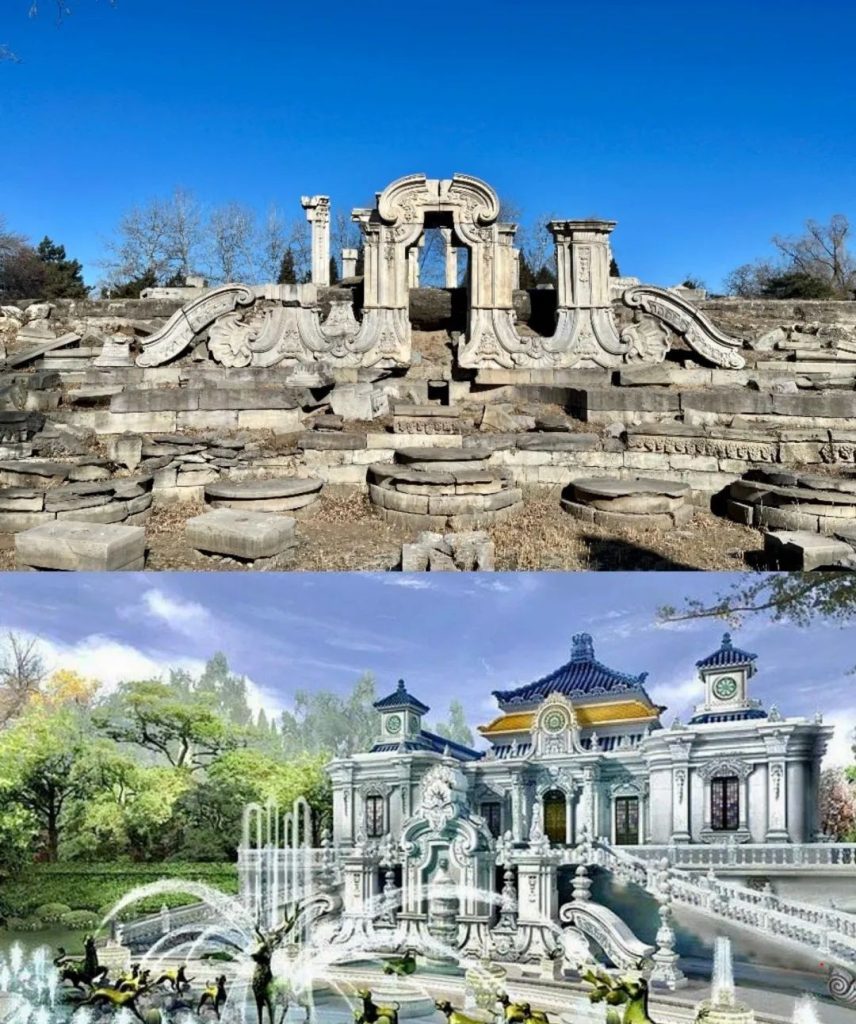
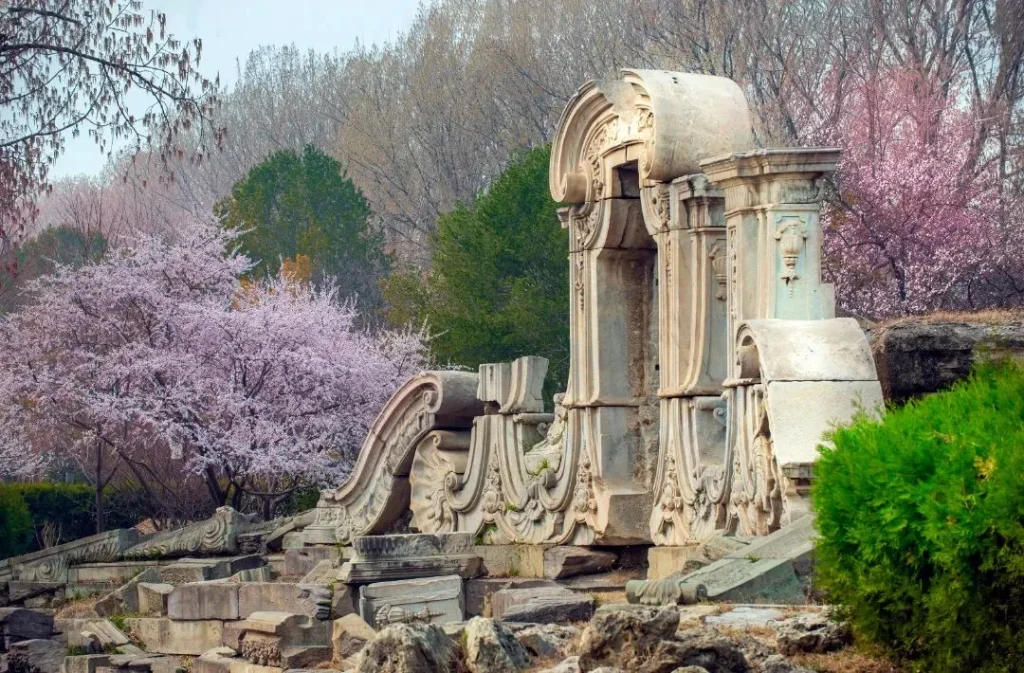
- Dashuifa (大水法 – The Grand Waterworks): These iconic ruins are probably what most people picture when they think of Yuanmingyuan. Famous for its elaborate fountains and European-style baroque architecture, it’s part of the Xiyang Lou (西洋楼 – Western Mansions) area and a stunning example of East-meets-West design.
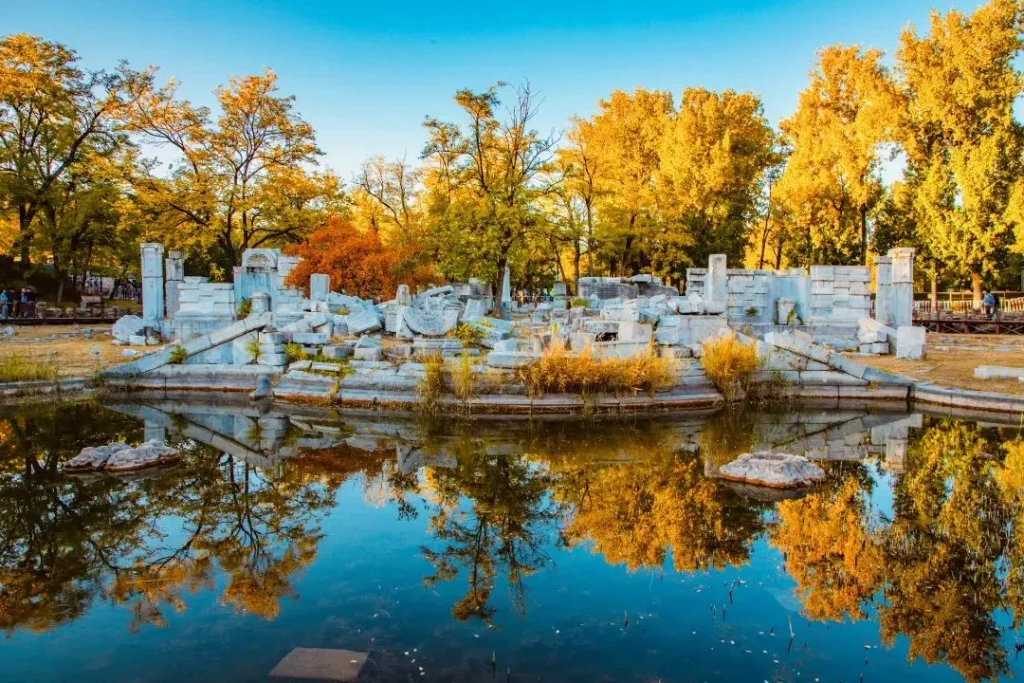
- Xieqiqu (谐奇趣 – Harmony and Delight): Another highlight of the Western Mansions, this was one of the first European-style buildings, blending Chinese garden elements with Western architectural flair.
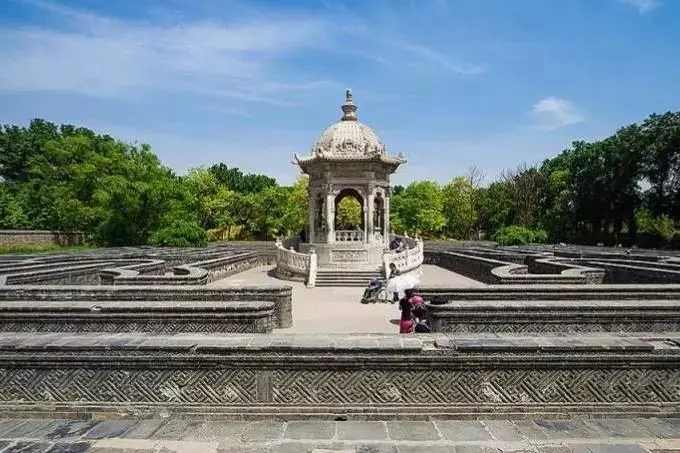
- Huanghuazhen / Wanhua Zhen (黄花阵 / 万花阵 – Yellow Flower Labyrinth / Maze of Ten Thousand Flowers): A fun, European-style maze that’s still partially intact. It’s a great spot to wander and test your sense of direction!
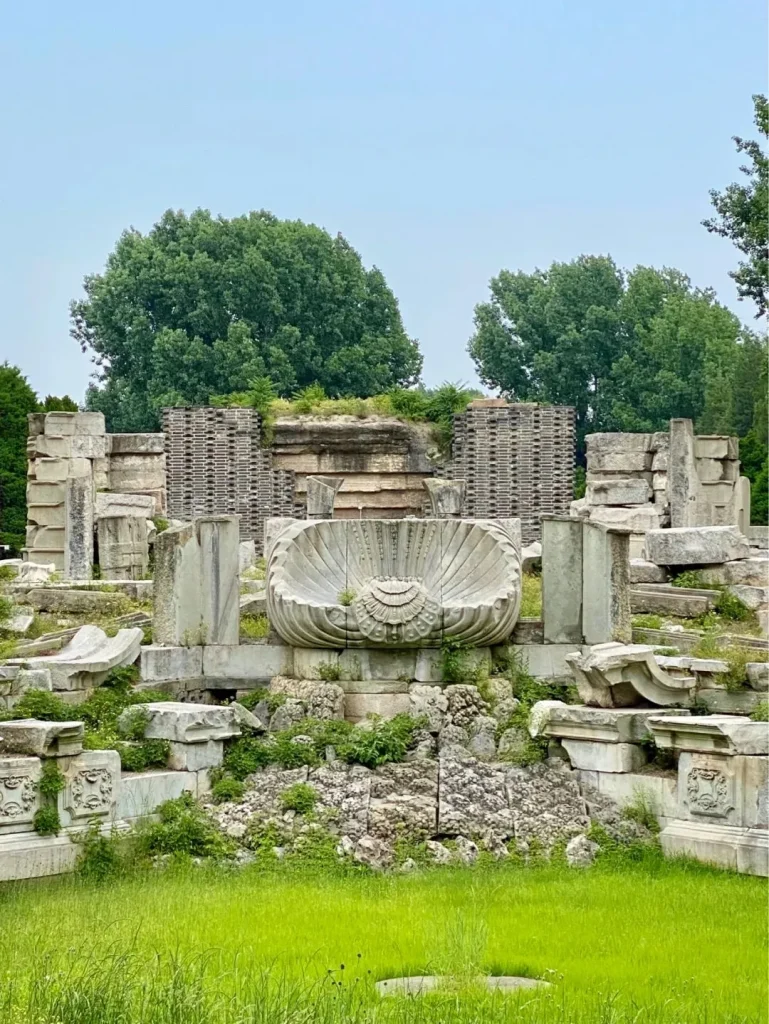
- Haiyantang (海晏堂 – Hall of National Peace): This was a grand complex, famous for its large water clock fountain featuring the twelve animals of the Chinese zodiac (sadly, the original heads are mostly lost or in collections abroad). It showcased the incredible hydraulic engineering of the time.
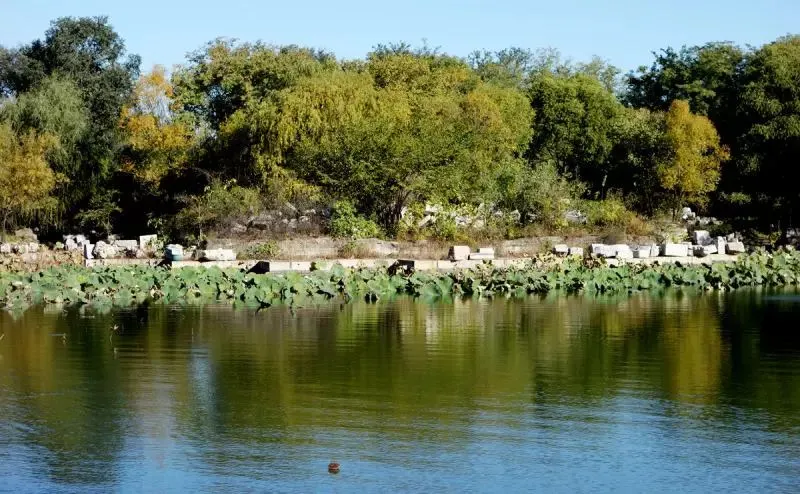
- Fanghu Shengjing (方壶胜境 – Square Pot Wonderland / Abode of Immortals): One of the “40 Famous Scenes” of Yuanmingyuan, this area was designed to look like the mythical immortal islands in the East Sea, with man-made hills surrounding a lake.
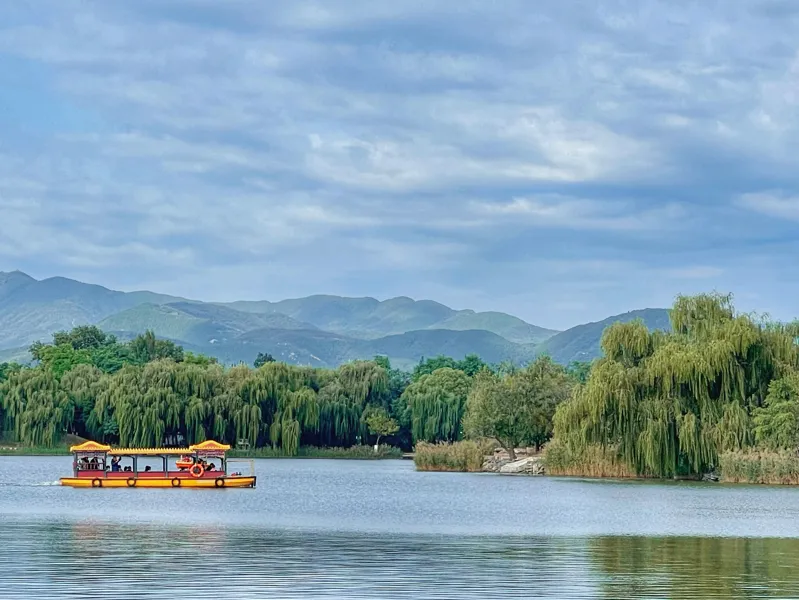
- Fuhai (福海 – Sea of Happiness): This is the largest lake in Yuanmingyuan, its name meaning “good fortune as vast as the Eastern Sea.” It was the main waterscape area, perfect for boating and enjoying the expansive views.
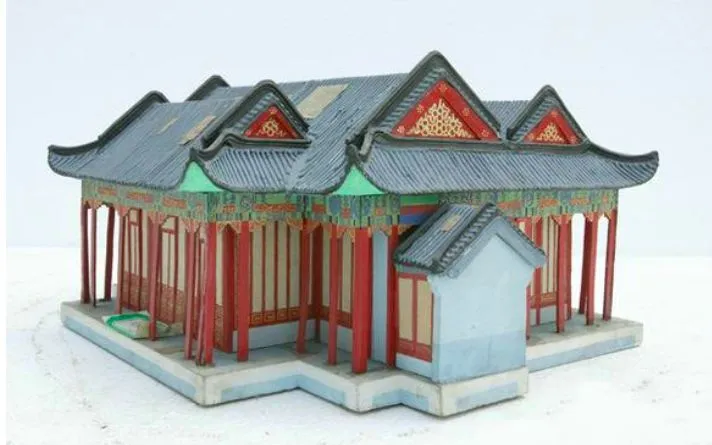
- Qinzheng Qinxian Dian (勤政亲贤殿 – Hall of Diligent Governance): Located west of the Emperor’s main living quarters, this was where the emperor handled daily state affairs, reflecting the ideal of a hardworking ruler.
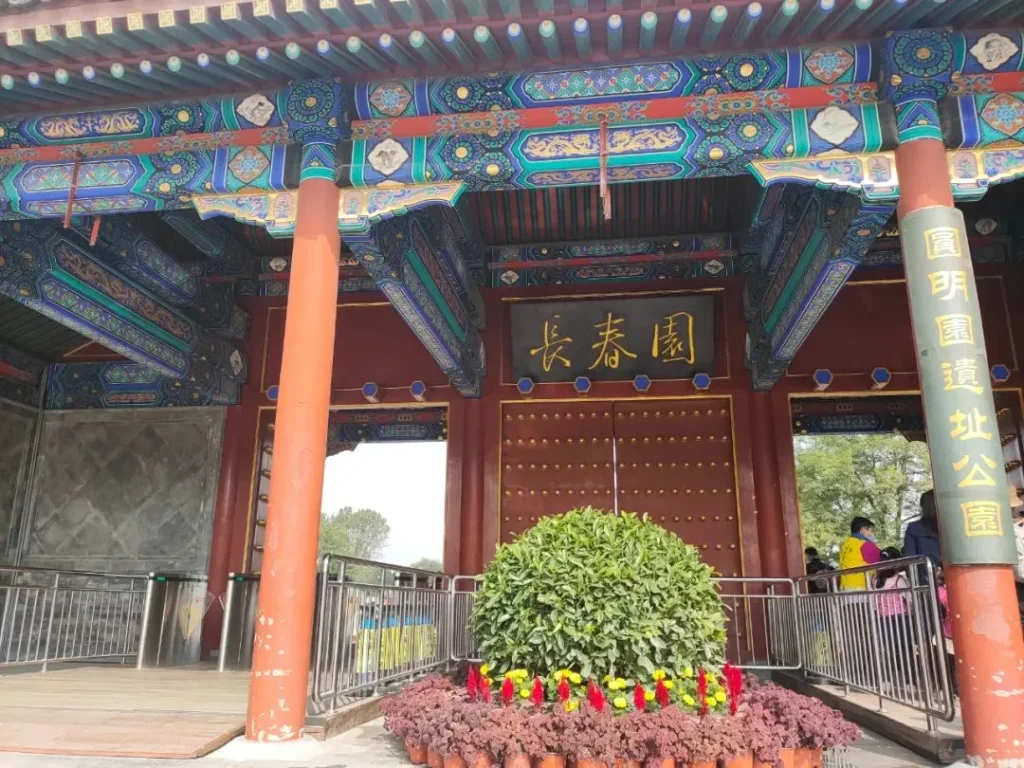
2.2. Changchun Garden Area (长春园 – Garden of Eternal Spring)
- Yulinglong Guan (玉玲珑馆 – Exquisite Jade Hall): An important structure in Changchun Garden, known for its fine carvings and unique style.
- Haiyue Kaijin (海岳开襟 – Open View to Seas and Mountains): Originally a waterside pavilion offering broad views, including the distant Western Hills.
- Hanjing Tang (含经堂 – Hall of Embracing Classics): The largest group of buildings in Changchun Garden, once a place where Emperor Qianlong would read and relax.
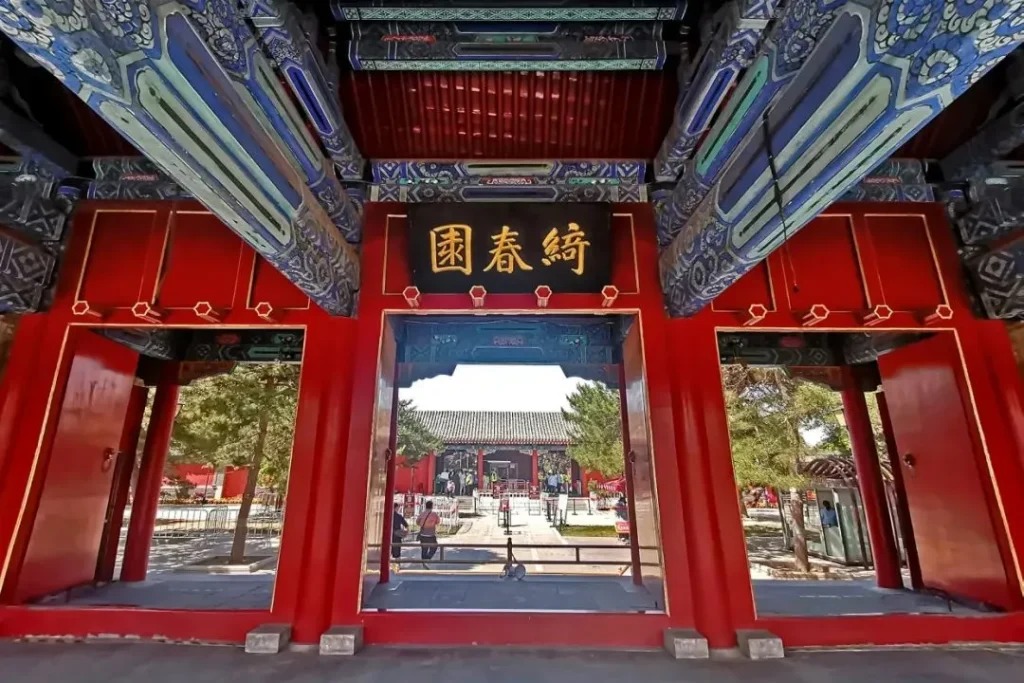
2.3. Qichun Garden Area (绮春园 – Garden of Elegant Spring)
- This is the smallest of the three gardens, but it still had many beautiful buildings and landscapes, like Fuchun Tang (敷春堂 – Hall of Spreading Spring) and Qingxia Zhai (清夏斋 – Pure Summer Studio).
Yuanmingyuan, a true gem of Chinese garden art and a somber witness to modern history, is a place that really deserves your time. Even though it’s been through so much, its unique, broken beauty and deep cultural roots still captivate everyone who visits. Here, you can not only imagine the incredible craftsmanship from the remaining stone carvings and foundations and enjoy the changing natural scenery but also connect with a really important chapter of Chinese history, feeling the nation’s past glories and sorrows.
Yuanmingyuan Travel Tips: Making the Most of Your Visit
- Seasonal Charms: When to Go
- Spring Blossoms (April-May)
Spring in Yuanmingyuan is a flower festival, especially when the peonies are out. Head to Hanjing Tang (含经堂), Louyue Kaiyun (镂月开云 – Moon Through Open Clouds, originally “Peony Terrace”), and Zaoyuan (藻园 – Algae Garden) for the best views. There are nearly a hundred varieties and tens of thousands of peony plants spread over about 14,000 square meters.
Hanjing Tang is the biggest peony spot, with over 20,000 square meters blooming with more than 200 types of peonies. It’s right in the heart of Changchun Garden, surrounded by lovely scenery.
Louyue Kaiyun has a cool story about three emperors admiring peonies there. You’ll also find magnolias, apricot blossoms, and more, making it a truly stunning sight – like the old saying, “Only the peony is the true national beauty; its bloom moves the capital.”
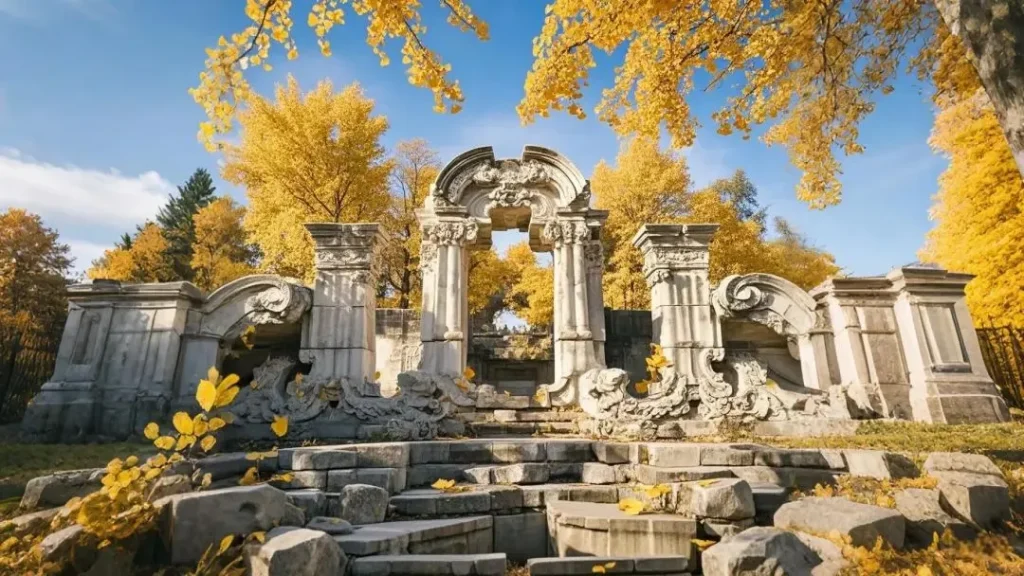
- Picturesque Autumn (September-November)
Autumn paints Yuanmingyuan in vibrant colors. Think golden ginkgo leaves, fluffy white reed catkins, graceful black swans on the water, all set against the backdrop of the historic ruins – it’s like stepping into a poem. Shizilin (狮子林 – Lion Grove), Yulinglong Guan (玉玲珑馆), Kuoran Dagong (廓然大公 – Broad and Impartial), and the Fuhai (福海) area are top spots for autumn views and photography.
When the first frost hits, the imperial garden shows off its most beautiful autumn attire. Enter through the South Gate, and as you walk past Songfeng Luoyue Lake (松风萝月湖 – Pine Wind and Vine Moon Lake), you’ll see the summer’s lotus leaves now drooping, their vibrant green faded but still poetic in their decline. - Recommended Routes: Navigating the ParkYuanmingyuan is pretty big, so it’s a good idea to plan your route. Generally, you might want to hit the main areas like Fuhai and the Western Mansions (Xiyang Lou) ruins first, then explore other sections if you have time.
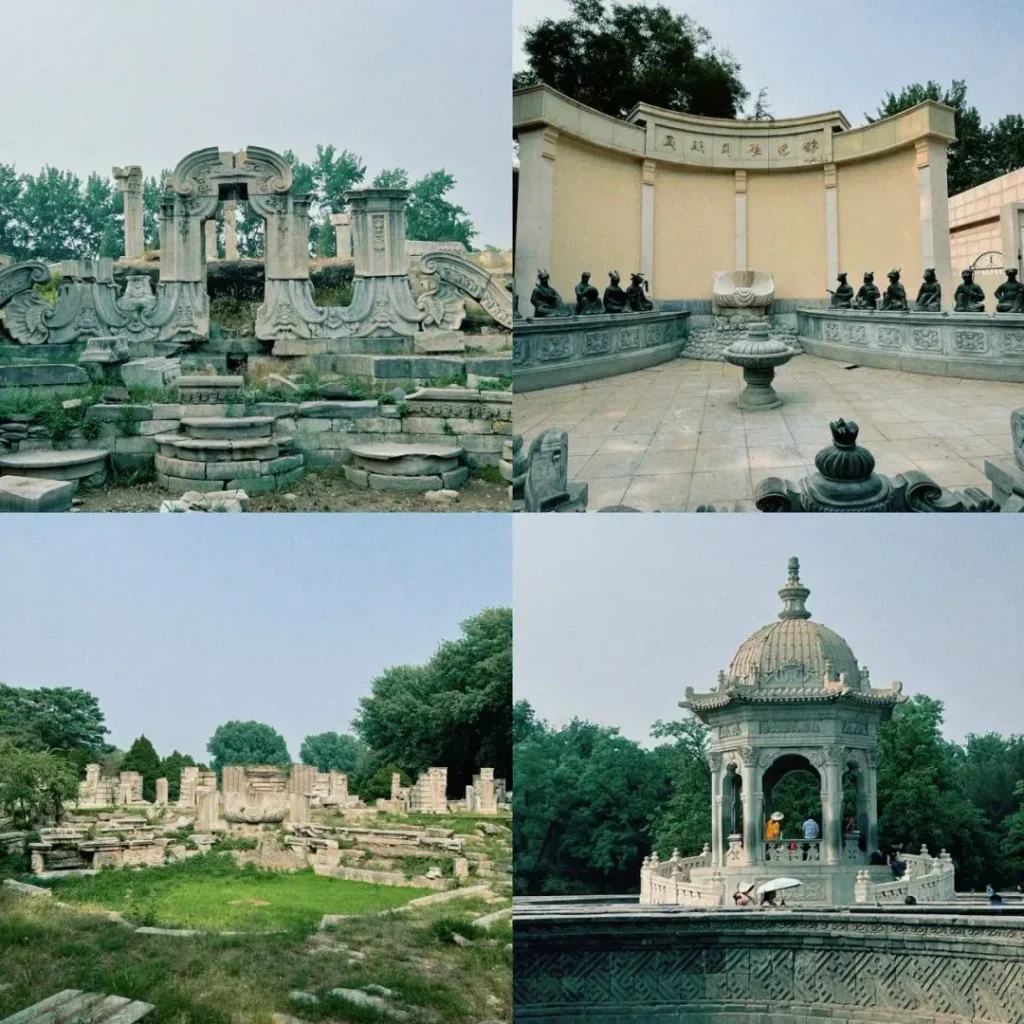
- A Classic Route Idea: South Gate → Jianbi Ting (鉴碧亭 – Pavilion for Admiring Jade Greenery, has a souvenir shop) → Hanqiu Guan (涵秋馆 – Hall of Autumn Fullness) → Xianren Chenglu (仙人承露 – Immortal Receiving Dew) → Sankong Qiao (三孔桥 – Three-Arch Bridge, another souvenir spot) → Junction of the Three Gardens (you can catch a shuttle cart for the western loop here) → Fuhai (福海) → Jiuzhou Qingyan (九州清晏) ruins → Qinzheng Qinxian Dian (勤政亲贤殿) ruins → Ruyuan (如园 – As You Wish Garden) ruins → Zhengda Guangming Dian (正大光明殿 – Hall of Righteousness and Illumination) ruins → Zaoyuan (藻园) → Kuoran Dagong (廓然大公) → Shizilin (狮子林) → Quyuan Fenghe (曲院风荷 – Courtyard of Lotus and Wind) ruins → Haiyue Kaijin (海岳开襟) ruins → Hongci Yonghu (鸿慈永祜 – Vast Mercy and Eternal Blessing, also Anlan Yuan 安澜园) ruins → East side of the Three Gardens Junction (catch a shuttle back to the South Gate).
- Guide Services: Getting the Inside ScoopTo help you get a deeper understanding of the history and culture here, Yuanmingyuan offers a few guide options:
- Audio Guide Rental: You can rent these at the East Gate of Changchun Garden and the Palace Gate of Qichun Garden. The deposit is 200 RMB, with Chinese guides at 30 RMB and other languages at 40 RMB.
- E-Guide Apps: These apps offer fun, story-like audio explanations for all the main sights, often recorded by professional narrators. They really help you dive deeper into the stories behind the scenery.
- Smart Guide Mini-Programs: Using GPS and location tech, these guides play audio as you walk, like having a personal tour guide with you.
- A Few More Travel Suggestions
- Best Time to Visit: Spring (April-May) is perfect for flowers like peonies, magnolias, and apricot blossoms. Autumn (October-November) is stunning with its ginkgo trees and reeds.
- How Much Time?: Plan for at least half a day to a full day. If you’re combining it with other nearby attractions like the Summer Palace (Yiheyuan), a full day is best.
- Order of Visit: If you’re doing both Yuanmingyuan and the Summer Palace in one day, it’s often recommended to visit Yuanmingyuan in the morning and then head to the Summer Palace. Some parts of Yuanmingyuan, like the Western Mansions ruins, might close earlier, and the Summer Palace generally needs more time to explore fully.
- Use a Guide: Seriously consider renting an audio guide or using an e-guide app. It makes a huge difference in understanding what you’re seeing.
- Photo Ops: The Western Mansions (Xiyang Lou) ruins, including Dashuifa and Xieqiqu, are the iconic photo spots. Even as ruins, they powerfully convey the past grandeur and are perfect for capturing that sense of history and beautiful decay.
- Nearby Sights: Yuanmingyuan is close to other major Beijing attractions like the Summer Palace (Yiheyuan), Tsinghua University, and Peking University. You could easily combine visits.
Hopefully, this guide helps you plan an amazing trip to Yuanmingyuan and truly appreciate the unique charm and profound history of this “Garden of Gardens”!
Related posts
Exploring Beijing’s Traditional Culture: A Guide for Overseas Visitors
Beijing Zoo: Animals, Culture & Top Beijing Attraction!
Beijing Botanical Garden: Where Nature, Culture, and Science Meet! – A Top Beijing Attraction
Beijing Olympic Park: Olympic Glory & Urban Oasis – A Top Beijing Attraction

The Place & Sanlitun Taikoo Li: Beijing’s Dynamic Duo of Style!