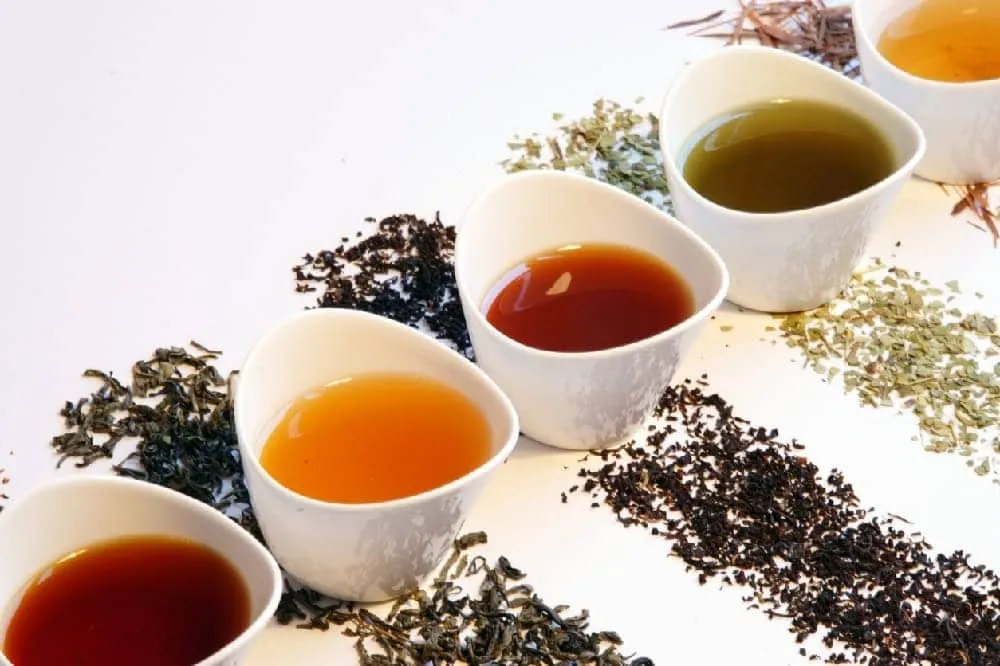
China tea has a rich and storied history that dates back thousands of years. From its early uses in medicinal and sacrificial rituals to its current status as a beloved beverage worldwide, tea has played a key role in shaping Chinese culture and society.
- Early Stage: Fresh Leaf Chewing, Medicinal and Sacrificial Uses
- Han Dynasty: Medicinal and Sacrificial Uses
- Tang Dynasty: Boiling with Salt
- Song Dynasty: Tea Cake Making, Grinding into Powder, Paste Preparation, and Whisking
- Ming Dynasty: Extraction of Tea Soup, Increased Kill-Green Temperature, and Enzymatic Oxidation
- Evolution of the Character for "Tea"
- Modern Era: Inheritance and Innovation of Tea Culture
- Conclusion
- Related posts
Early Stage: Fresh Leaf Chewing, Medicinal and Sacrificial Uses
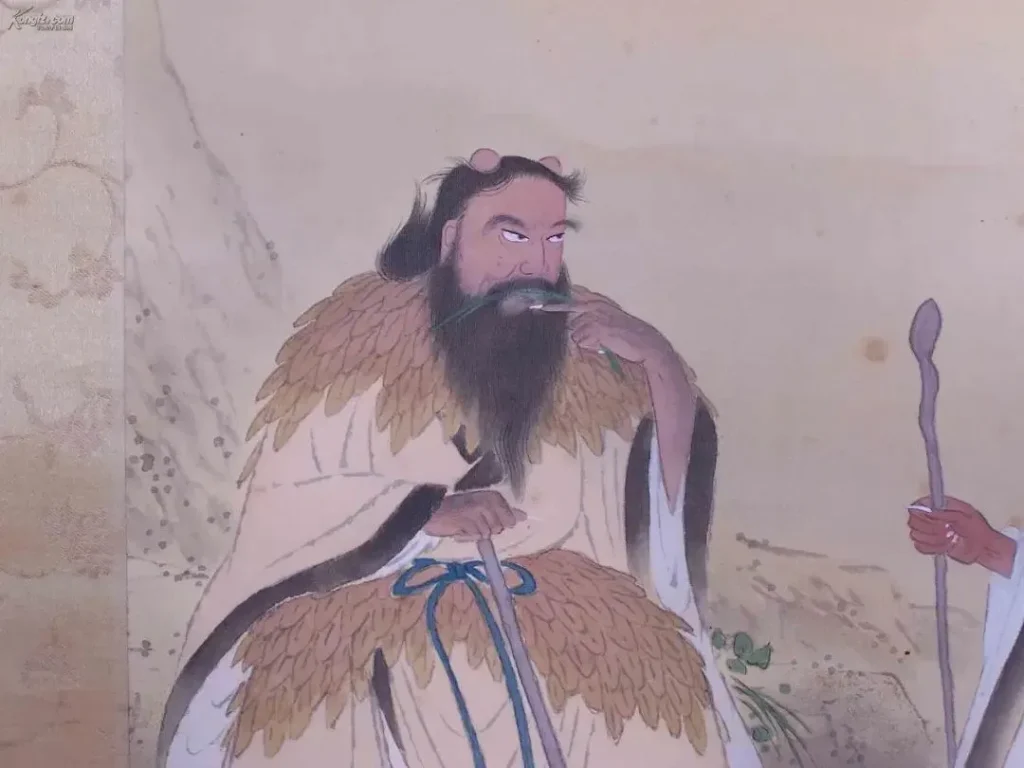
The initial use of tea can be traced back to the Shennong era, where legend has it that Shennong tasted various herbs and discovered tea’s detoxifying properties. According to folklore, Shennong, often regarded as the divine farmer, discovered tea when fresh leaves accidentally fell into his boiling water. The resulting infusion not only quenched his thirst but also alleviated the effects of various toxins he had ingested.
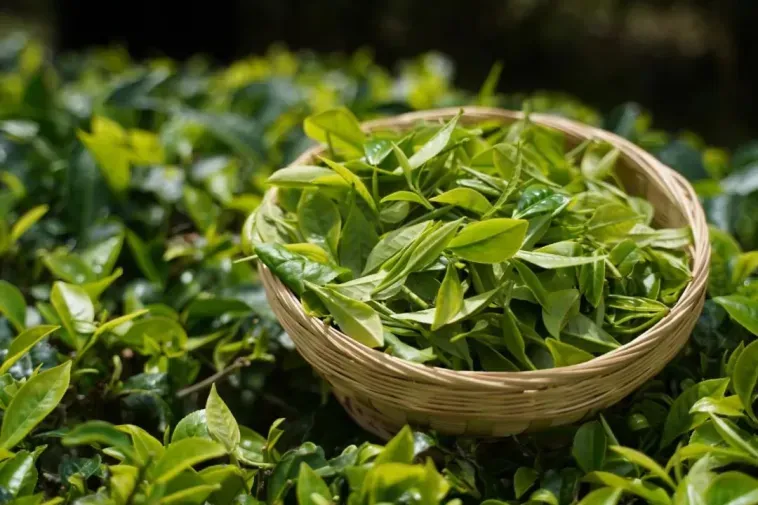
During this period, people primarily chewed fresh tea leaves or used them in medicinal concoctions and sacrificial offerings. The primary focus was on exploring tea’s medicinal value, such as its ability to clear heat and detoxify the body.
Han Dynasty: Medicinal and Sacrificial Uses
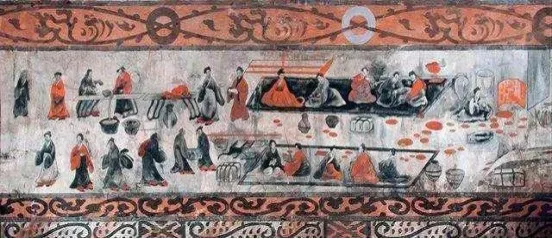
In the Han Dynasty, tea continued to be used for medicinal and sacrificial purposes. However, its use as a beverage began to emerge. Regions like Chengdu became central hubs for tea distribution, marking the beginning of tea’s commercialization. Tea was still largely confined to the elite and those involved in religious and ceremonial practices.
Tang Dynasty: Boiling with Salt
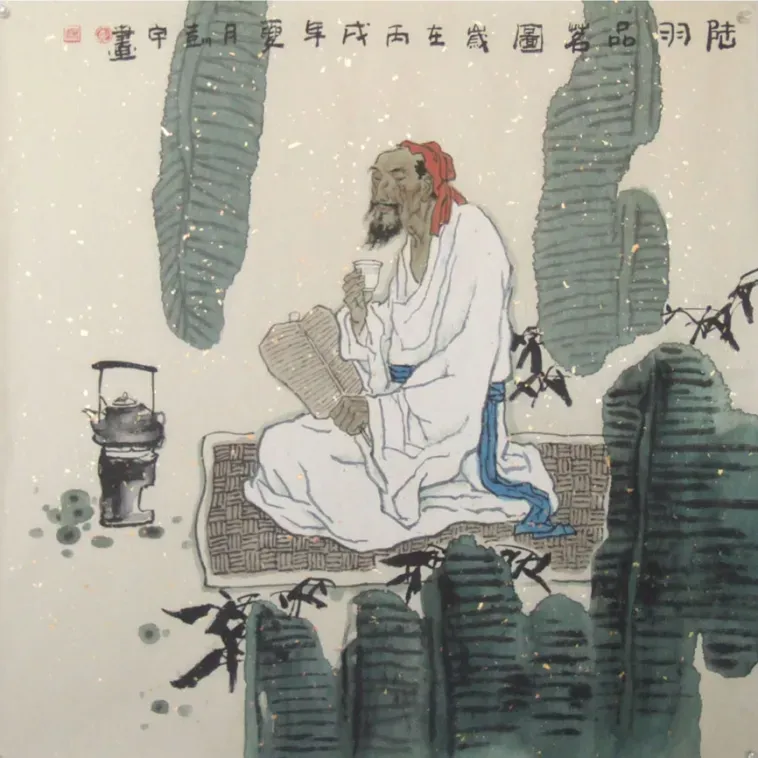
The Tang Dynasty represents the golden age of Chinese tea culture. Tea drinking became a widespread habit across all social classes. The main method of consumption during this time was boiling tea leaves in a pot, often with added seasonings like salt, scallions, ginger, and dates to enhance the flavor. This method was a departure from the raw chewing of leaves and laid the groundwork for more refined tea preparation techniques.
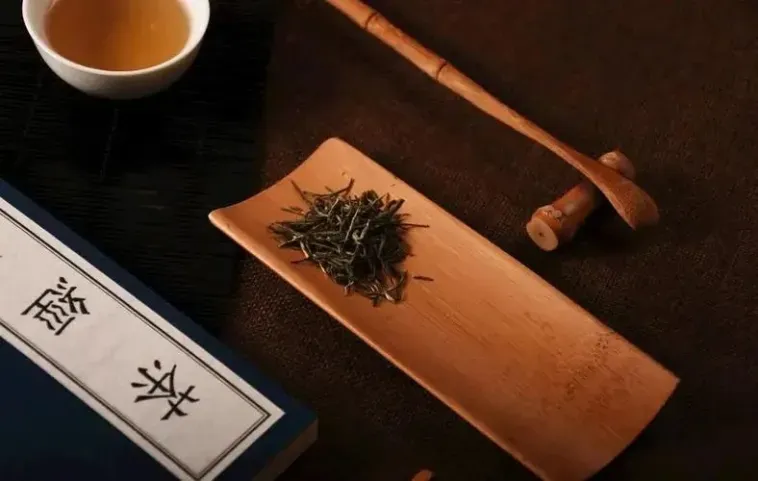
Lu Yu’s seminal work, “The Classic of Tea” (茶经), systematically summarized the production and consumption practices of tea up to the Tang Dynasty. His work emphasized the importance of quality and the refinement of tea rituals, solidifying tea’s role in Chinese culture.
Song Dynasty: Tea Cake Making, Grinding into Powder, Paste Preparation, and Whisking
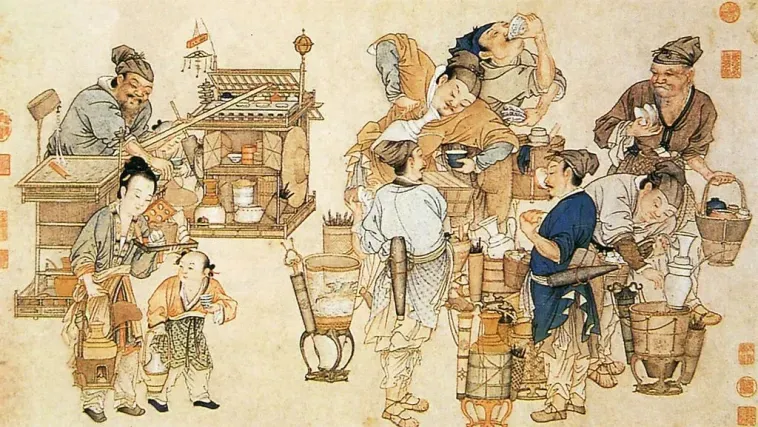
During the Song Dynasty, tea drinking became even more sophisticated with the introduction of the whisking method (点茶法). Instead of boiling whole tea leaves, tea cakes were baked until crisp, then ground into a fine powder. This powder was placed in a tea bowl, and boiling water was poured over it. Using a bamboo whisk, the tea was vigorously beaten to create a frothy, thick tea soup.
Tea competitions, known as 斗茶, became popular, where participants judged each other’s tea-making skills, focusing on the color, aroma, taste, and foam quality of the tea. This era also saw the rise of compressed teas like Dragon (龙团) and Phoenix Cakes (凤饼), although the primary consumption method remained the powdered, whisked tea.
Ming Dynasty: Extraction of Tea Soup, Increased Kill-Green Temperature, and Enzymatic Oxidation
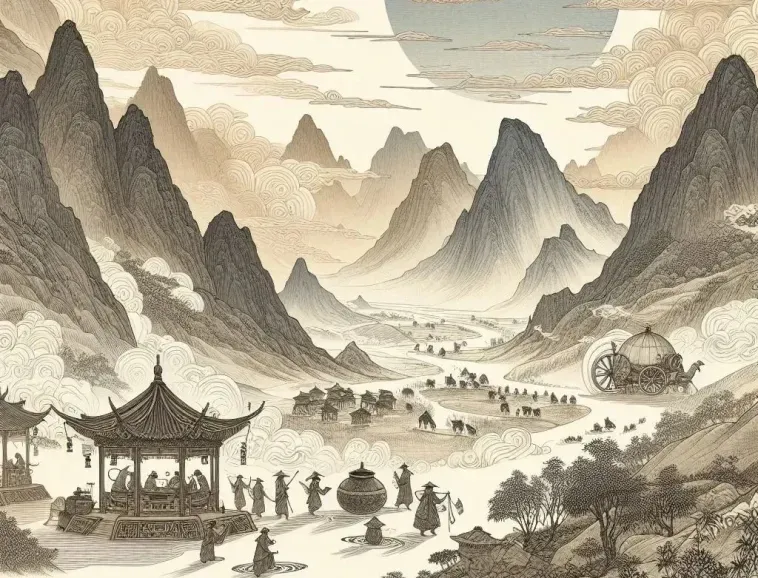
The Ming Dynasty brought significant changes to tea preparation and consumption. Emperor Zhu Yuanzhang implemented a policy of “abolishing compressed tea and encouraging loose-leaf tea,” which led to the widespread adoption of loose-leaf tea. This shift made tea preparation simpler and more accessible to the general populace.
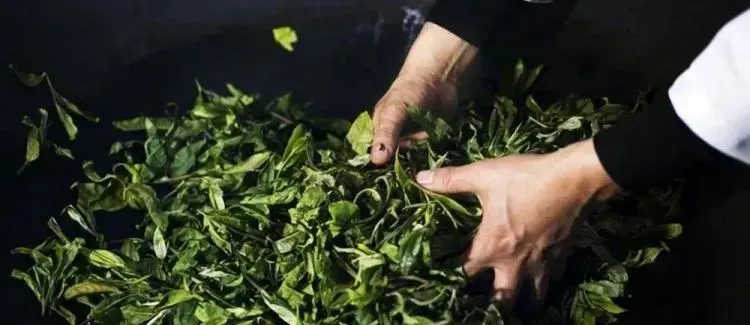
Tea-making techniques evolved, with higher temperatures used during the kill-green (杀青) process to control enzymatic oxidation. This led to the development of various tea types, including green tea (绿茶), black tea (红茶), and oolong tea (乌龙茶). The steeping method became the norm, replacing the older boiling and whisking techniques, and tea became an integral part of daily life.
Evolution of the Character for “Tea”
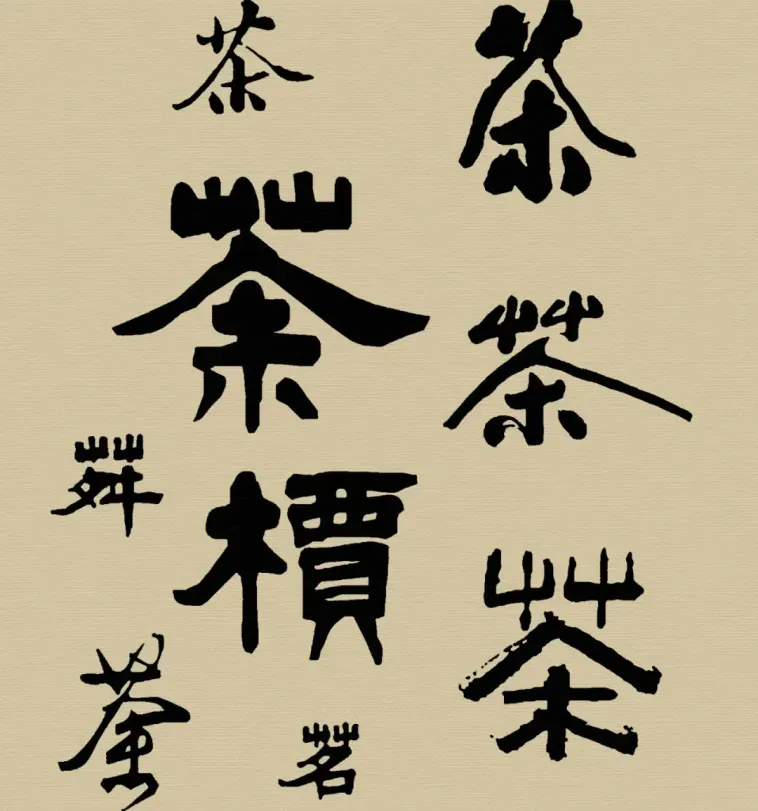
Originally, tea was referred to as “荼 (tú)” in ancient texts like the “Erya” (尔雅), which described it as “bitter 荼.” Over time, the character evolved to “茶,” especially during the Tang Dynasty. The “Kaiyuan Wenzi Yinyi” (开元文字音义), an ancient dictionary, officially standardized the character “茶,” removing a stroke from “荼” to finalize its current form.
In Lu Yu’s “The Classic of Tea”, various names for tea such as “槚“, “蔎“, “茗“, and “荈” are mentioned, reflecting the rich linguistic history surrounding tea in China.
Modern Era: Inheritance and Innovation of Tea Culture

In modern times, Chinese tea culture continues to evolve while preserving its rich traditions. The tea industry has expanded beyond traditional consumption, encompassing health products, food items, and daily necessities like tea pillows (茶枕), weight-loss teas (减肥茶), and tea-infused snacks (茶点心). Innovations in tea processing and packaging have made tea even more accessible and versatile.
Chinese tea culture remains a vital part of daily life, symbolizing hospitality, refinement, and the enduring spirit of Chinese civilization. With ongoing innovations and a steadfast commitment to tradition, China tea continues to enchant both domestic and international tea enthusiasts.
Conclusion
From its humble beginnings as a medicinal herb to its revered status as a national beverage, China tea has journeyed through centuries of cultural and technological evolution. Today, it highlights China’s enduring love affair with tea, embodying both the simplicity of daily rituals and the sophistication of centuries-old traditions.
Related posts
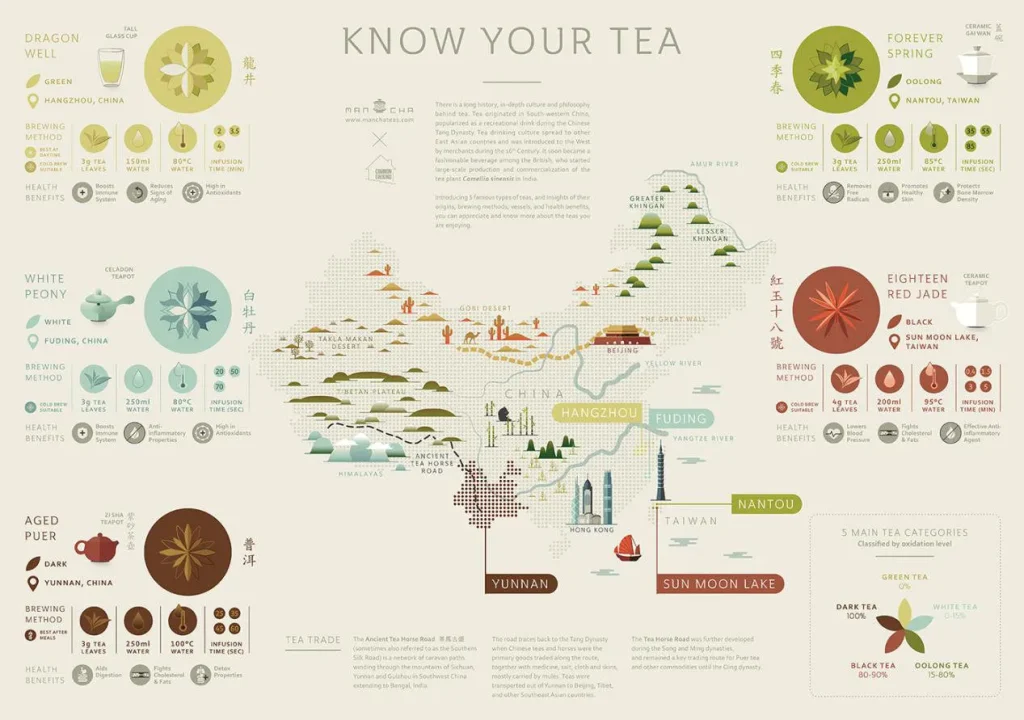
Famous Teas of China: A Journey Through Flavor and Aroma
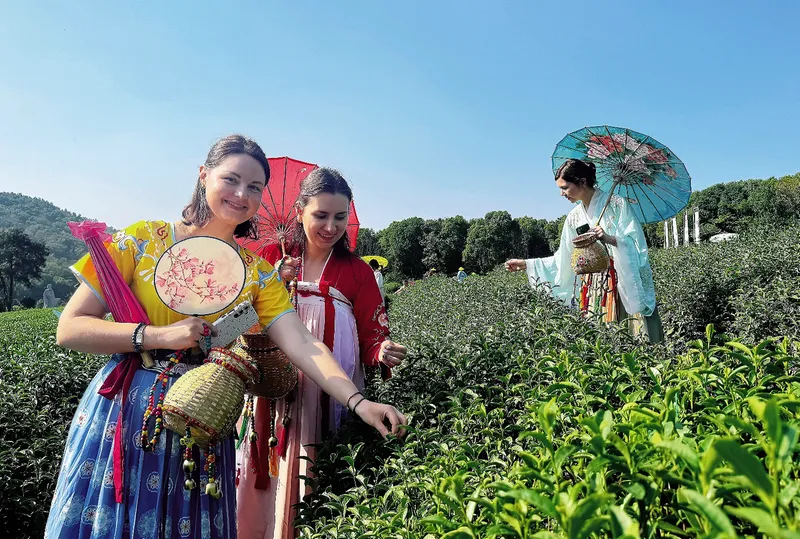
Tea Tour Recommendations: Discovering China’s Tea Culture
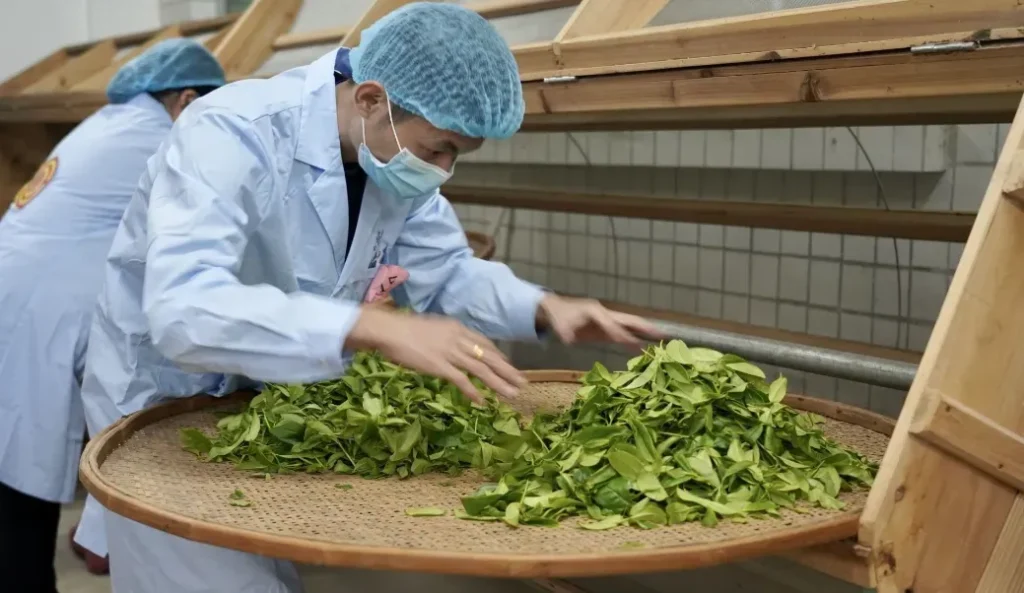
Tea Processing Techniques: How Your Favorite China Tea is Made
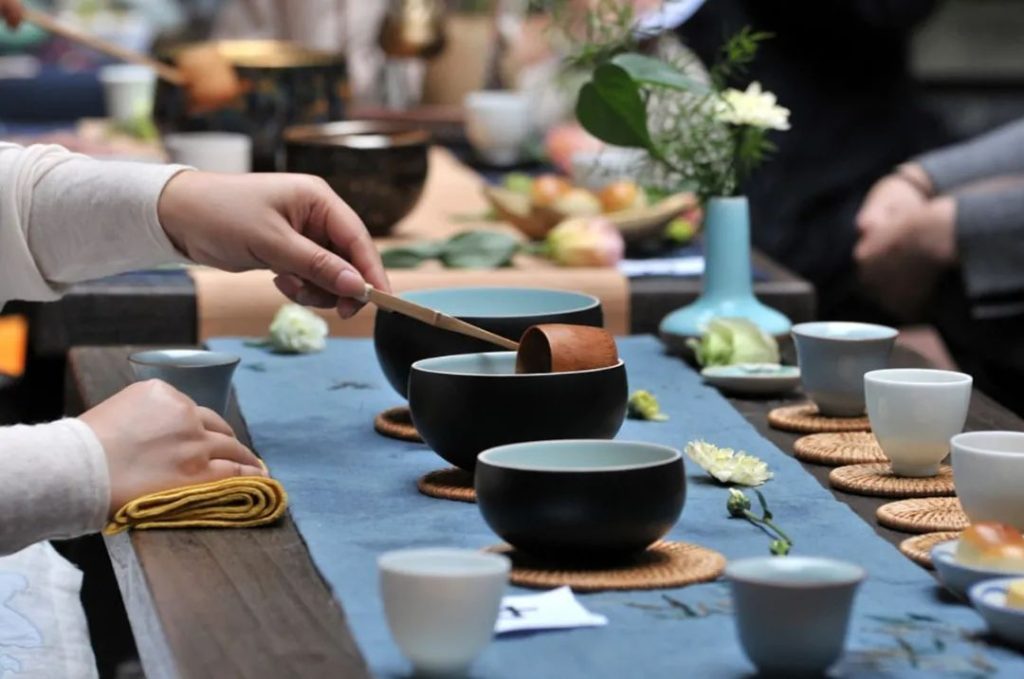
Tea Brewing and Tasting: Enjoying the Perfect Cup
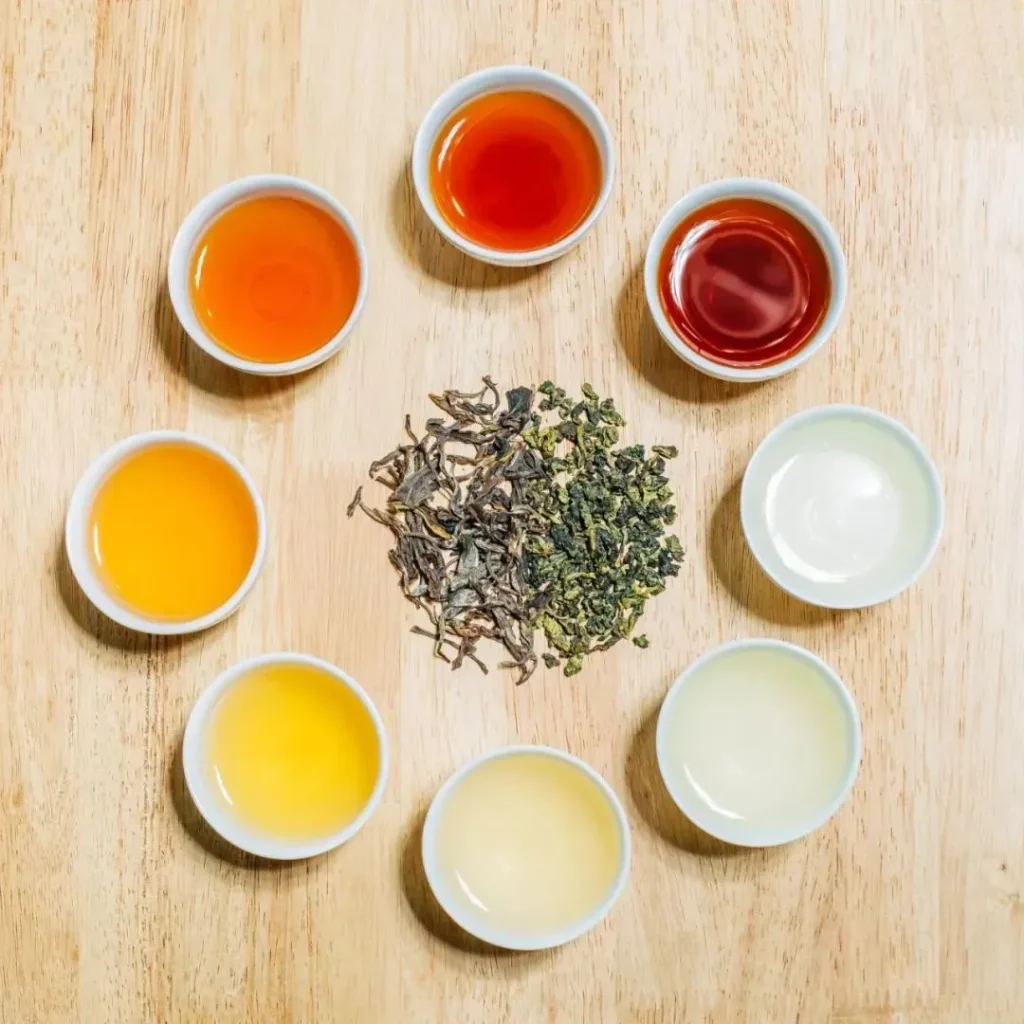
Tea Tasting and Selection: How to Choose the Perfect Cup