
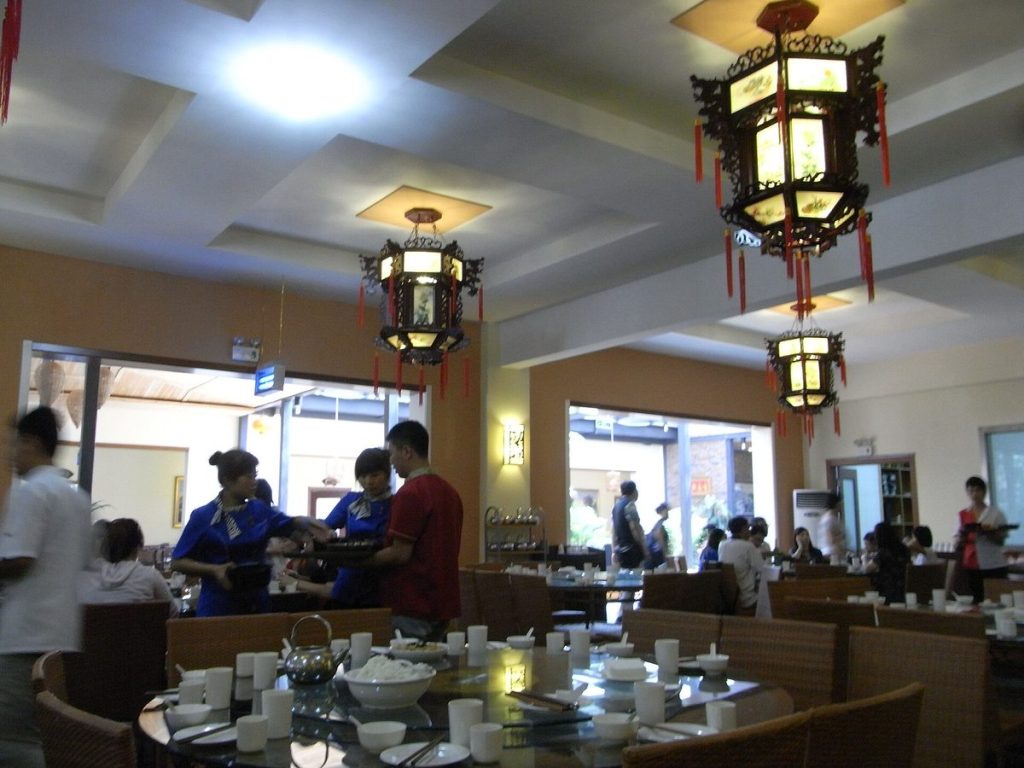
For international travelers accustomed to North American tipping culture—where 18% to 25% gratuity is routinely expected on everything from sit-down dinners to takeout coffees—navigating payments in China is a breath of fresh air. In mainland China, tipping is not practiced, expected, or built into commercial transactions. Bills are 100% transparent, prices on menus include tax, and service staff receive regular salaries from their employers.
In fact, leaving extra cash behind on a dining table or rounding up a taxi fare can create genuine confusion: well-meaning waitstaff or drivers will routinely chase you out the door to return the money you “accidentally forgot.” Understanding the cultural philosophy behind tipping and recognizing the very few isolated exceptions ensures comfortable, polite interactions across the country.
Quick Takeaways: Tipping Etiquette in China
1. The Cultural Philosophy Behind Non-Tipping
To understand why tipping is absent in China, it helps to view service through a local cultural and economic lens. In modern Chinese commercial life, hospitality (Fúwù, 服务) is considered a fundamental responsibility of business ownership.
Waiters, baristas, bartenders, and drivers are paid salaried wages by their employers. Providing attentive, prompt, and courteous service is viewed as fulfilling their standard professional duties. Offering an individual cash tip (Xiǎofèi, 小费) can sometimes be misinterpreted as implying that the restaurant owner underpays their workers, or can feel uncomfortably patronizing to service workers who take pride in their professional dignity.
Furthermore, because China has transitioned almost completely to digital QR code payments through Alipay and WeChat Pay, transactions are mathematically exact. The cashier enters 86.50 RMB, your screen authorizes 86.50 RMB, and the payment completes with zero awkward tip prompt screens.
2. Dining: Restaurants, Cafes, and Street Stalls
Across the entire spectrum of Chinese dining—from Michelin-starred banquet halls in Shanghai and bustling Peking duck institutions in Beijing to humble neighborhood dumpling shops and night market skewers—the rule is absolute: Do not tip.
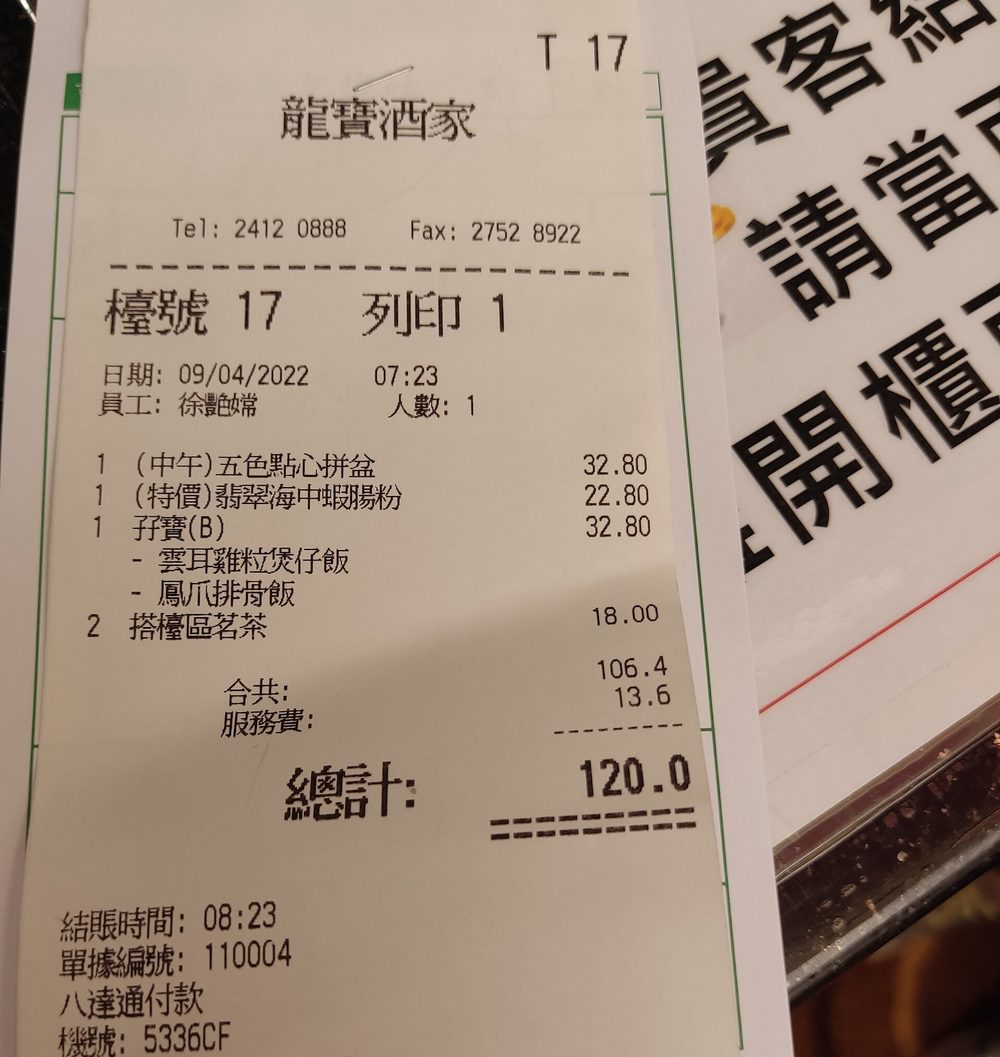
When you finish your meal, simply ask for the bill by saying “Mǎidān” (买单, check please) or scan the table QR code on your phone to pay directly. If you pay in cash and leave extra paper bills on the table as you walk away, a server will invariably scoop up the money, sprint across the restaurant dining room, and hand it back to you with an earnest: “Excuse me, you forgot your change!”
The only dining scenario where additional service fees apply is at international luxury hotel restaurants (such as the Peninsula, Ritz-Carlton, or Park Hyatt) or formal high-end western dining rooms in tier-1 cities. In these establishments, a formal 10% to 15% “Service Charge” (服务费, Fúwùfèi) is automatically added to the itemized bill before tax. You do not need to add anything further.
3. Transportation: Taxis and Ride-Hailing Apps
Tipping taxi drivers in China is completely unheard of. In municipal metered taxis, the driver turns on the taximeter, pulls up to your hotel, and quotes the exact meter reading (plus any legitimate expressway tolls). If the fare is 37 RMB and you hand the driver a 50 RMB note, they will count out 13 RMB in paper change down to the last single yuan.
Refusing small change or telling a traditional taxi driver to “keep the change” often causes confusion, as drivers are legally required to account for fares accurately on company log sheets.
If you use the DiDi ride-hailing app, your payment processes automatically through your linked international credit card. After completing a ride, the app displays an optional “Gratuity / Red Packet” (感谢红包, Gǎnxiè Hóngbāo) button offering preset tip amounts (such as 2, 5, or 10 RMB). While entirely optional, sending a small 5 RMB digital tip is a polite way to reward a driver who helped load multiple heavy suitcases into the trunk in pouring rain.
4. Hotels, Bellhops, and Housekeeping
In standard budget hotels, mid-scale business chains (such as Atour, Ji Hotel, or Hanting), and boutique countryside guesthouses, tipping hotel staff is neither customary nor expected. Front desk staff, cleaners, and maintenance workers will politely decline cash gratuities.
The only environment where modest tipping is occasionally seen is at high-end Western five-star international luxury hotels that cater extensively to international business delegations. In these properties:
• Bellhops: If a uniformed bellhop carries three or four heavy suitcases up to your suite and gives a full room orientation, offering 10 to 20 RMB ($1.50–$3.00 USD) is warmly accepted.
• Housekeeping: Leaving daily cash on hotel nightstands for cleaning staff is generally unnecessary and can be awkward: cleaners often leave the cash untouched on the desk, assuming it is personal guest money. If you stay for a week and wish to reward exceptional housekeeping, leave 20 to 50 RMB in an envelope with a handwritten note in English and Chinese: “Thank you for the wonderful service” (谢谢您的优质服务).
5. The Major Exception: Private Inbound Tour Guides and Drivers
The one significant sector in China where tipping is standard practice is the inbound international travel agency industry. When foreign tourists hire private, licensed English-speaking tour guides and dedicated drivers for multi-day itineraries in Beijing, Xi’an, Guilin, or Yunnan, international tipping standards apply.
Recommended tipping benchmarks for private tours:
• Private English-Speaking Tour Guide: 150 to 250 RMB ($20–$35 USD) per full day from the group (not per person), depending on group size, knowledge depth, and attentiveness.
• Private Dedicated Chauffeur / Driver: 80 to 120 RMB ($11–$17 USD) per full day from the group.
• Organized Large Group Bus Tours: For multi-day group tours, standard group pool tips are typically 50 to 80 RMB ($7–$11 USD) per traveler per day, shared between the tour leader and coach driver.
• Yangtze River Cruises: On luxury river cruise vessels (such as Century Cruises or Victoria Cruises), a collective service tip pool (typically 150 to 200 RMB per passenger for the voyage) is settled at check-out to support housekeeping, culinary, and deck crews.
Present tips to private guides and drivers on the final afternoon of your tour, ideally enclosed in an envelope or red packet (Hóngbāo), accompanied by sincere verbal thanks for their guidance.